You’ve seen the headlines. You’ve heard the outrage. The rise of non-consensual explicit deepfakes (AI-generated, hyper-realistic fakes) is one of the nastiest digital threats we face.
Deepfakes are basically a type of gender-based violence that messes with privacy and leaves serious, long-term damage.
And after all the big public messes (like the Taylor Swift deepfake fiasco), Google has finally said enough is enough.
They’ve rolled out a major, multi-pronged counterattack in their search engine, and it’s a big deal.
But is it enough to finally win the “whack-a-mole” game against online abuse?
The Threat is Real
Before diving into Google’s response, let’s get the scale of the problem.
Deepfakes are synthetic media created with sophisticated AI that can make it look like a person is doing or saying something they absolutely didn’t.
And here’s the kicker: this digital abuse disproportionately targets one group: Women!
A report by Sensity AI found a shocking 96% of all deepfake videos online were non-consensual sexual deepfakes, and 99% of these targeted women.
This shows that the problem isn’t just some technical glitch but a serious violation of sexual privacy that is masssive and fast-moving.
Deepfake creation tools are now so cheap and easy to use, some services can make a video for as little as $2.99. That content is generated and re-uploaded faster than platforms can remove it…
It’s a never-ending cycle of abuse!
Google’s Response To The Threat Of Deepfake
Google’s old approach of just reacting to takedown requests was clearly failing. Their new strategy is an all-out, three-part effort that moves from simple content removal to a total algorithmic overhaul.
Instead of just waiting for users to report links, Google is proactively changing the way it ranks and filters content.
How are they doing this?
Site Demotion: If a website is a repeat offender (constantly hosting or sharing explicit deepfake content) Google is lowering its overall search ranking. This acts like a severe penalty, burying the site deep into the search results where no one will find it.
The E-E-A-T Quality Filter: Google’s search algorithm now leans harder on its quality framework: Experience, Expertise, Authoritativeness, and Trustworthiness.
For sensitive searches (especially those involving a person’s name), the system is designed to prioritize reputable, non-explicit content, like news articles or educational sites, instead of harmful images. The goal is to change the search outcome from finding deepfakes to educating the user about the issue.
Google is claiming some success, reporting a reduction of over 70% in exposure to explicit image results for specific, targeted queries.
That’s a moderate win!
Google has also streamlined the process for victims to get their content removed.
Their updated policy explicitly lists “involuntary fake pornography” as content that will be removed upon request.
This is huge because once a removal request is approved, their systems will “scan the web to remove duplicate or similar content.”
This is their best shot at solving the “whack-a-mole” problem by preventing the same content from instantly popping back up with a different URL.
The detection technology has to keep up with the deepfake creators in what’s being called an “AI arms race.”
Google is collaborating with outside experts on advanced systems like UNITE, which is designed to spot forgeries beyond simple facial swaps.
This system looks at the full video frame, including backgrounds and motion patterns, to catch subtle inconsistencies that older detectors would miss.
Not All Victims are Equal
Google’s made some serious progress, but let’s be real: not everyone’s getting the same level of protection.
The reported 70% reduction seems to be most effective for high-profile, celebrity-related searches – the ones that garner huge media attention.
Surprisingly, deepfakes of “relatively less well-known social media influencers can still be found in the first three pages of Google search results.”
This suggests the new systems may not yet provide the same level of safety for the general public as they do for high-signal, celebrity-related cases.
Historically, Google was a major facilitator of this abuse—data from 2023 showed they were the “single largest driver” of web traffic to deepfake pornography sites—so while they’re taking decisive action now, the persistence of the problem for lesser-known individuals shows there’s a long road ahead.
Google isn’t alone, the industry response is a mess of fragmented approaches:
Company
Strategy
Key Takeaway
Google
Algorithmic intervention and site demotion in search.
Focuses on a technical solution within its core product to reduce visibility.
Meta
Policy clarification via its independent Oversight Board.
Focuses on governance and policy to ensure clarity on content rules.
Microsoft
Legislative advocacy and public call for stronger regulation.
Pushes for legal and criminal penalties instead of just internal fixes.
The absence of a solid strategy leads to a messy mix of protections around the world.
That’s why fresh legal ideas, like the proposed “Take It Down Act,” are so important.
This law would make it a must for platforms to set up a notice-and-takedown system for people affected.
They’d need to make “reasonable efforts to remove duplicates or reposts” within just 48 hours, and there would be some serious legal consequences if they don’t follow through.
Final Takeaway
Google has made significant, commendable progress. The move to proactive demotion and a streamlined, duplicate-removing process is a game-changer for victims.
However, this is not a problem that can be definitively “solved.”
The tech is always evolving, and the fact that lesser-known individuals are still exposed shows that the fight isn’t over.
A truly effective solution will require continued tech investment, greater transparency, industry-wide cooperation, and the support of strong, enforceable legal frameworks like the “Take It Down Act.”
What do you think is the single most important action tech companies should take next?
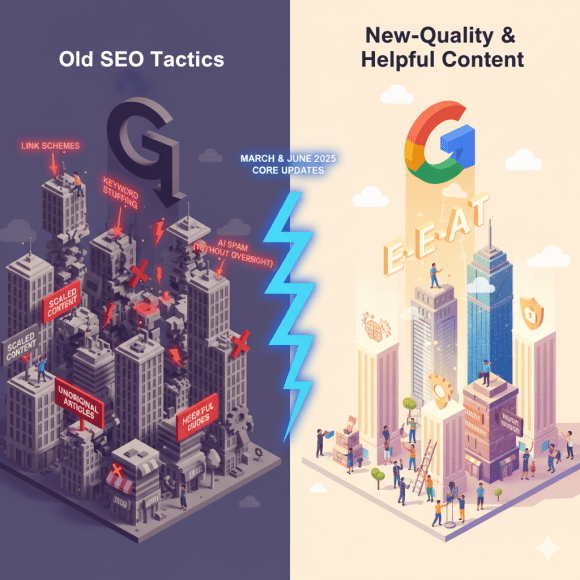
The first half of 2025 has been pretty bumpy, with some major ups and downs in rankings after the March 2025 Core Update and its follow-up in June 2025.
So, what’s the deal with these new updates?
Google’s really ramping up its game to get rid of all that “unhelpful” and junky content, and it’s shaking things up in search results, causing quite a buzz in the SEO world!
The March 2025 Core Update
The March update hit the scene with a bang, and right off the bat, people were noticing one big thing…
Google is getting way better at spotting and pushing down content that doesn’t really do much for users.
The algorithm targeted websites that used to score big with black hat strategies like:
Churning out tons of articles on the same stuff, usually just rehashing what’s already out there.
Copying, spinning, or aggregating content without adding unique insights, research, or a fresh perspective.
Filling articles with grammatical errors, poor structure, lack of depth, or misleading information.
…they all began to see their rankings plummet, so fast, you would have thought they were hit by giant missile!
It was a real eye-opener for a lot of businesses, driving home the point that just cranking out more trashy content will only do more harm than good.
The June 2025 Core Update
The March update got things rolling, but the June 2025 Core Update really took it up a notch.
The update basically fine-tuned and improved on what was already set in March.
It showed that Google was serious about prioritizing content that’s actually helpful, high-quality, and original.
It was as if Google was saying, “We’re not joking—we’re going to make the search results better!”
The impact was immediate and, for some, devastating.
Websites that managed to weather the March update, perhaps due to a slower rollout of the algorithm or less direct targeting, found themselves caught in the June wave and saw further declines.
So Who Was Most Impacted?
The sites that got hit hard by these updates usually had some things in common:
They either ran content farms out of junk content and let robots do the writing. Or they would just copy and paste stuff from other websites without adding anything worthwhile.
They were affiliate sites, especially those thrown together just to game the SEO system. They often lacked any real unique reviews or insights.
They were sites with keyword-Stuffed, unnatural Content. The latest updates heavily cracked down on those kind of domains that crammed content with keywords in the hopes of gaming the system.
Sites that attempted to artificially inflate rankings through link schemes, cloaking, or other deceptive practices.
Look..the bottom line is, although AI content is getting better, any text that’s 100% cranked out by machines and not touched by human hands will be ignored. Or worse, penalized!
Google’s algorithms are becoming increasingly sharper and can sniff out unoriginal materials, no matter if it was made by a person or a robot.
So if you’re trying to bounce back or even shine in this new online world, Google’s got one straightforward tip:
Deliver what your users really want.
Sounds like it’s time to really lean into E-E-A-T (Experience, Expertise, Authoritativeness, and Trustworthiness) because nailing these points is more important now than ever.
Here are some key recommendations for adapting:
Focus on putting out content that brings fresh ideas, thorough research, cool viewpoints, or actual experiences to the table.
Whilst doing so, think about being helpful and ask yourself if your content really answers someone’s question the right way, or gives a unique perk.
It’s important to make sure your content is written by people who actually know what they are talking about and have some real experience.
You can even mention the authors and share their credentials, in a nice lil byline!
Whatever you, just be real, share the facts, and back up what you say.
Go for white-hat SEO methods – think about building links the right way, keeping your website technically solid, and churning out great content instead of trying to cheat the system.
The March and June 2025 Core Updates are a big deal in Google’s journey to build a more helpful and trustworthy internet.
This shake-up is a solid reminder that it’s really about giving users the best information and experience possible.
If you take this idea to heart, you’ll definitely be the one of the few who comes out on top in the future.
The digital scene is buzzing with a new game in town: Answer Engine Optimization (AEO).
For ages, SEO professionals have been fine-tuning their websites to peak Google’s ranks, all in the hopes of snagging that sweet first-page spot to rake in organic traffic.
To achieve this, SEO engineers use a mix of different tricks, like optimizing keywords, building links, and making sure the site runs smoothly, to help a website show up and rank well for all sorts of relevant searches.
This whole idea was based on the belief that when someone starts looking for something online, they kick things off with a keyword search and wrap it up by clicking on a website to dig deeper.
Answer Engine Optimization (AEO) is giving a fresh twist to that view!
AEO proves that folks are actually less inclined to scroll through a bunch of boring blue links; they’d much rather get direct answers to direct questions!
AEO is all about tweaking your content so that search engines can deliver quick and spot-on answers directly to users, no clicks needed.
It makes your content the go-to answer for a particular question, whether it pops up in a featured snippet, a voice assistant reply, or an AI chat.
While SEO is focused on boosting a website’s overall position, AEO’s main aim is to get your content chosen and shown as the quick, trusted answer people are looking for.
But this doesn’t mean traditional SEO is dead, not by a long shot!
What’s happening is that the way we think about “visibility” is changing.
Take ChatGPT, for example—they’re a big part of this whole “answer engine” wave.
For one, ChatGPT’s user base has totally blown up, with reports showing hundreds of millions of people using it every week!
How ChatGPT Is Boosting the New Traffic Funnel
Data from different sources like Semrush and Ahrefs show that more and more referral traffic is coming from AI platforms to websites.
It may not be as huge as the organic traffic from Google, but the growth is pretty obvious and definitely deserves some serious attention.
Here are some interesting facts about the platform, according to Semrush figures in June 2025:
ChatGPT.com is visited approximately 5.24 billiontimes each month
ChatGPT.com has a bounce rate of 40.01%.
Each visitor views an average of 4.5 pages per visit
Each user spends an average of 12 minutes and 9 seconds on the site.
In addition to that, it was estimated that ChatGPT received 37.5 million searches per day in 2024, while Google received 14 billion.
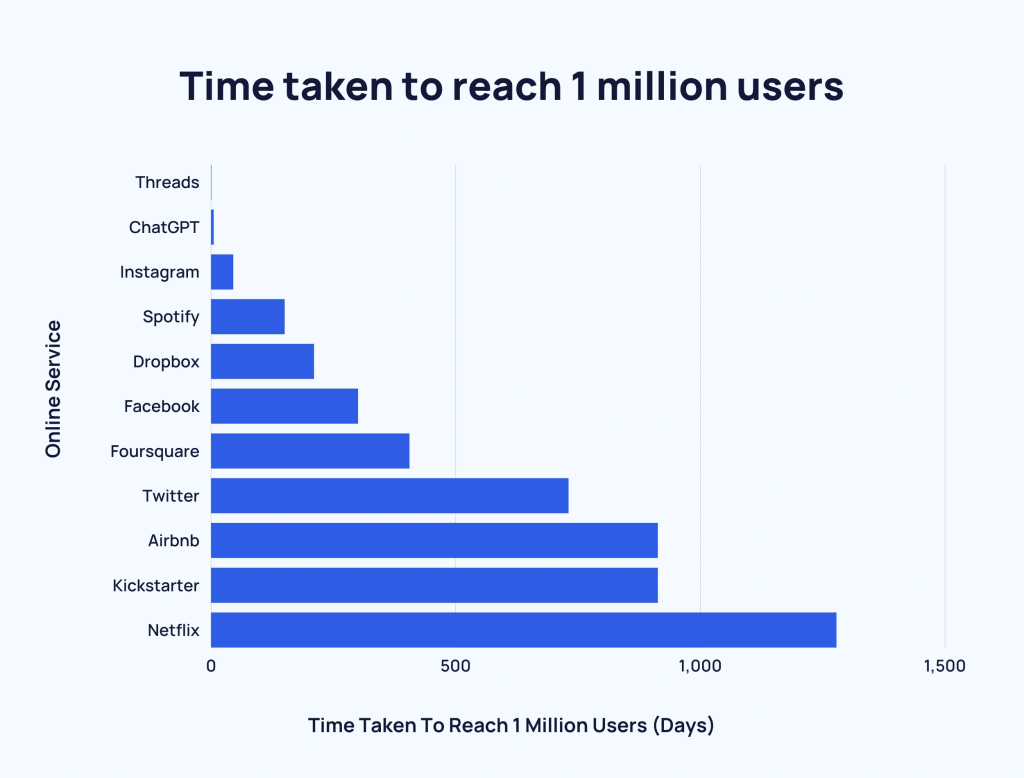
According to OpenAI, ChatGPT acquired 1 million users just 5 days after launching in November 2022.
This made it the fastest-growing application in history until Threads took that crown in July 2023.
By comparison, it took Instagram approximately 2.5 months to reach 1 million downloads. And Netflix had to wait around 3.5 years to reach 1 million users.
Incredibly, it’s estimated that ChatGPT then went on to hit 100 million monthly active users in January 2023, two months after launch.
To put that into perspective, TikTok took 9 months to reach 100 million users. And Instagram took 2.5 years. These figures are according to Statista, Reuters.
And it seems like this wave is not gonna slow down anytime soon.
According to figures from SEMrush, traffic from AI search engines is projected to overtake traffic from organic search in 2028.
So even though Google still dominates the search game, these new AI-first platforms are going to take over the search game in a few years.
Why Is Answer Engine Optimization So Appealing To Users ?
A big reason we’re seeing more need for AEO is that zero-click searches are blowing up.
According to data from SparkTaro and Semrush, by 2024, almost 60% of Google searches were concluded without anyone actually clicking on any links.
The rise of zero-click searches isn’t just some random stat—it’s like a “silent revolution,” showing how people are more concerned about instant gratification and getting what they want right away.
As you can imagine, this shift in user behaviour is really alarming for businesses.
If a brand’s online presence and success are tied exclusively to organic click-through rates (CTR), it could be in big trouble and end up fading into the oblivion.
The good news is, a brand can still boost its visibility and brand awareness through those zero-click interactions, even if nobody actually visits the site.
I’ve prepared a framework that showing a fresh way to measure success for AEO campaigns!
Table 1: AEO Performance Metrics Framework
Metric Category
AEO-Specific KPIs
Strategic Value
Visibility
Featured snippet capture rates , voice search response rates, AI-generated summary inclusion, AI visibility leaderboard ranking, Brand Presence Explorer results
Measures brand’s presence in prime SERP real estate and AI-generated answers, which builds authority and trust.
Authority
Citation frequency in AI responses, sentiment analysis of brand mentions, competitive displacement analysis
Gauges how often and in what context the brand is cited as an authoritative source, which indicates its influence in a given niche.
Impact
Conversions from high-intent queries, local traffic growth and inquiries
Links visibility to business outcomes, demonstrating the value of AEO beyond traditional traffic metrics.
Keeping an eye on both the usual SEO metrics and these new AEO metrics lets you make sure your approach covers all bases for search visibility and shows you’re actually getting a good bang for your buck.
Traditional SEO vs Answer Engine Optimisation
The relationship between AEO and SEO is often misunderstood.
But here’s the deal: AEO isn’t trying to compete with traditional SEO; it’s more like a add-on that works on top of a strong SEO foundation.
Ultimately, both strategies aim to boost online visibility and meet user needs. The only difference is that they go about it in different ways and have their own specific approaches.
The table below shows the main differences and similarities between the two approaches:
Table 2: The main differences and similarities between SEO and AEO
Aspect
Traditional SEO
Answer Engine Optimization (AEO)
Primary Platforms
Traditional SERPs, search engines like Google and Bing
Featured snippets, voice assistants, AI-powered chat results, knowledge graphs, ChatGPT
Main Goal
Improve website ranking and drive organic traffic
Provide the best direct answer to a query
Success Metrics
Organic rankings, total traffic volume, domain authority
Featured snippet capture rates, voice search performance, zero-click impressions
Concise, structured content targeting specific, often conversational questions
Search Behavior
Keyword-focused, text-based searches
Conversational, voice-based, and question-driven queries
Knowing how these two strategies work together is key to succeeding in this new wave of the AEO revolution.
A brand can’t really hit it big with AEO unless it first builds some trust and credibility with the traditional SEO approach.
AI engines and search algorithms really favor content from trusted, credible sources that show they’re experienced, knowledgeable, and authoritative—basically, they look for those who know their stuff and can be trusted!
This basically means that if you want your website to be seen as a legit source by answer engines, you’ve gotta put in the long haul work for SEO—like building up a solid domain, scoring some quality backlinks, and churning out killer content.
An Easy Guide to AEO Implementation
To pull off a solid AEO strategy, content creators needs to zero in on three main things:
Creating awesome content
Technical optimisation
Observing key answer environments.
Content Strategy for Answer Engines
The whole idea behind AEO is making content that’s giving direct answers and is machine – friendly.
You need to ditch the idea of keyword matching with queries and switch to a more chatty, intent-focused style.
To kick things off, figure out what questions your audience is really curious about.
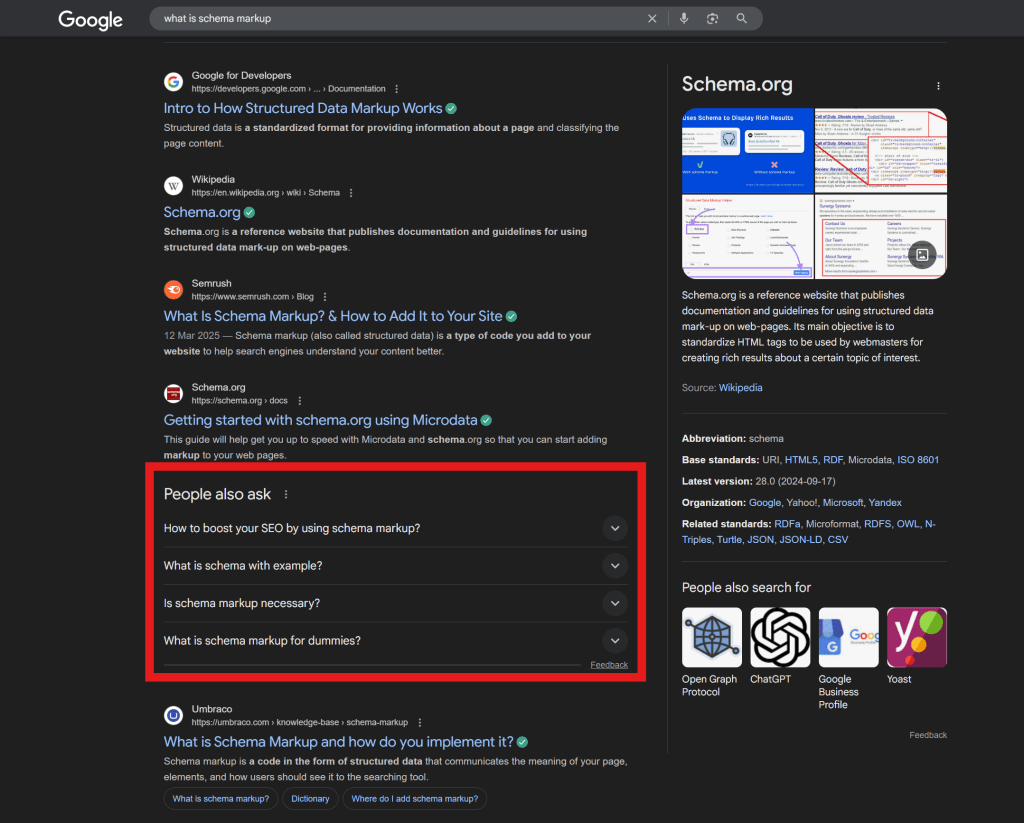
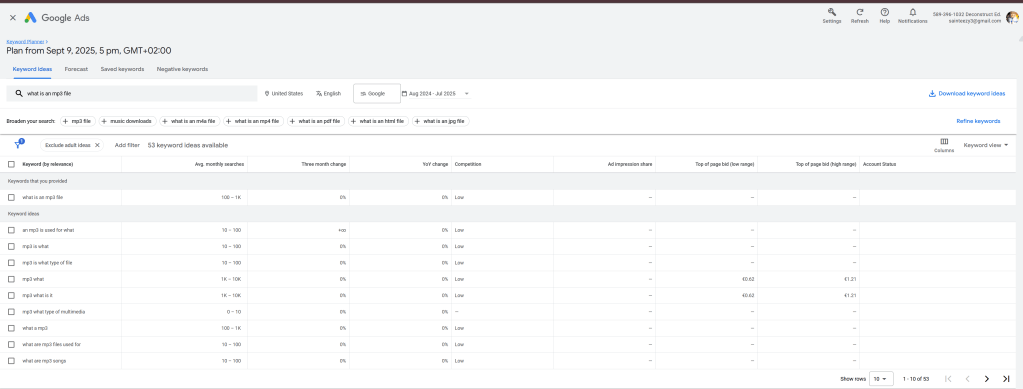
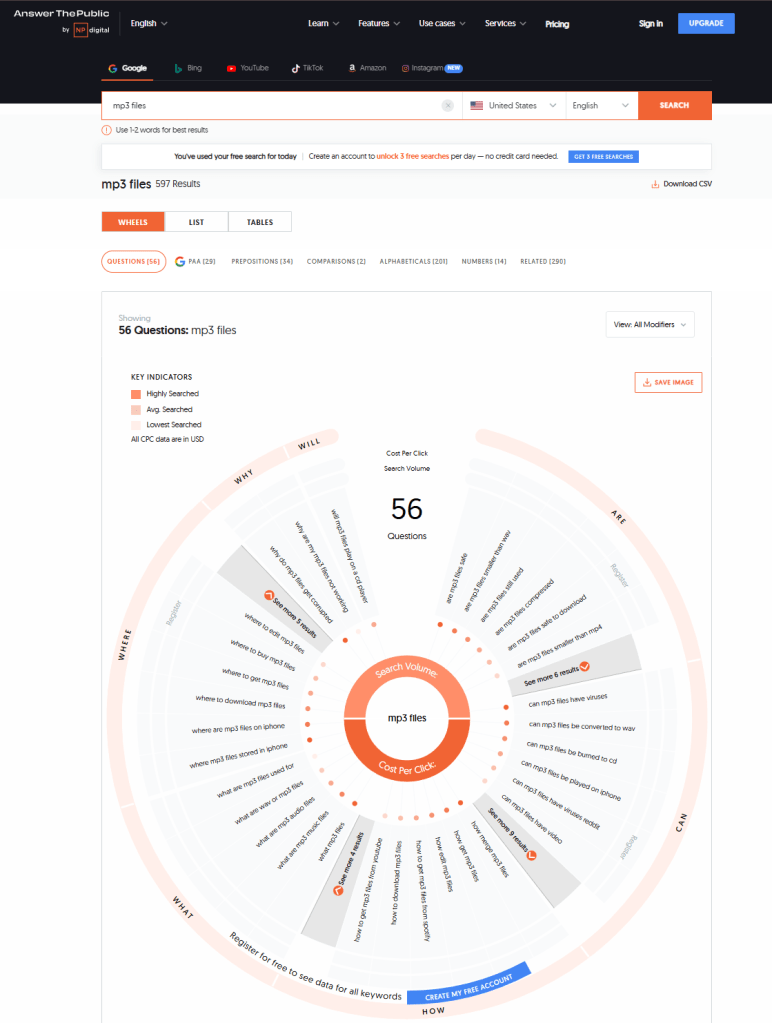
Check out tools like Google’s “People Also Ask” or Keyword Planner, along with AnswerThePublic—they’re super handy for digging up those popular questions people are asking that you can easily tackle in your content.
Once you’ve got your questions sorted out, it’s time to lay out the content for both people and AI.
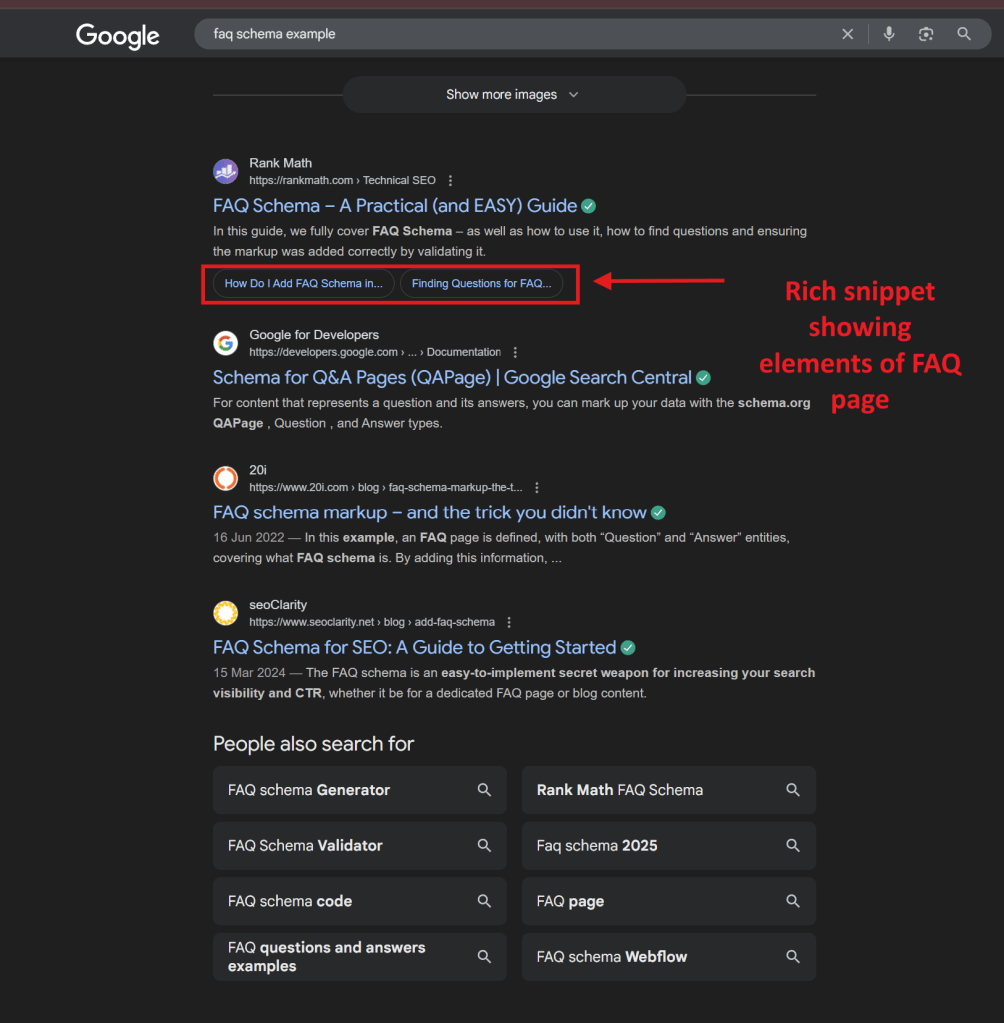
Think of it like a FAQ style, where you set up a question as a subheading (H2 or H3) and then dive right into a short answer right after.
Keep it simple and to the point, around 40-60 words is perfect, so it’s easy to skim through.
Scannable information like bullet points, numbered lists, and tables are super handy for boosting readability and making it easier for search engines and AI to grab the bits that matters most.
Technical Optimization
While content is what people see with AEO, a solid technical foundation is what keeps the AI systems coming back.
Structured data, or schema markup, is crucial for nailing your AEO strategy. When you add this code to your website’s HTML, it helps search engines and AI systems get a grip on your content, boosting your chances of popping up in quick-response formats.
Some schema types like FAQ, How-to, and Q&A work wonders for AEO because they’re made to present information in a way that’s easy for answer engines to digest.
But structured data isn’t the only thing; you also need to make sure your entire website is technically sound.
Think mobile-first design since a lot of conversational searches happen on smartphones and make sure your page loads fast—this is key for ranking well in both traditional and AI-powered searches.
Key Answer Spaces
A successful AEO strategy targets key search environments where direct answers are provided. For example:
Featured Snippets
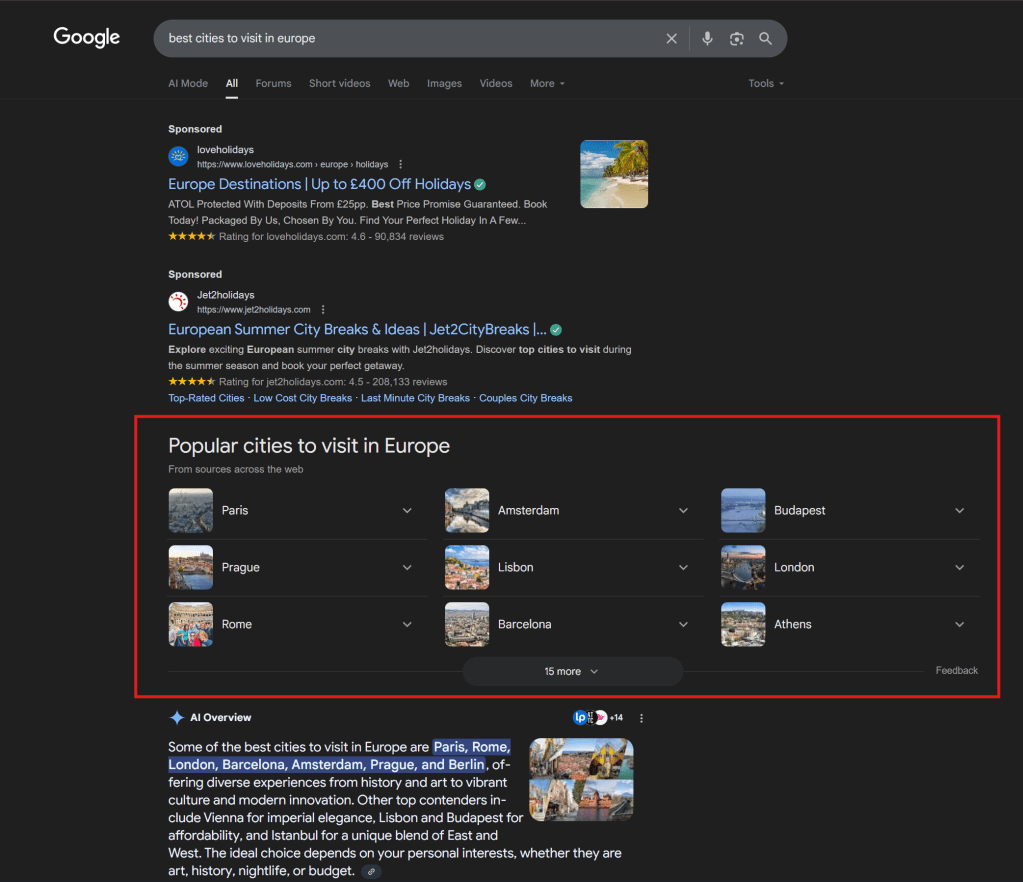
Featured snippets are those neat little boxes that pop up at the very top of search results, often called “position zero” — everyone wants to grab that spot!
They’re the go-to for quick answers, and guess what? Around 70% of them are just plain ol’ paragraphs, with lists making up 19%, tables at 6.3%, and videos trailing behind at 4.6%.
But securing one of those spots isn’t as easy as it sounds! To snag one of these featured snippets, your page has to first bust into the top 10 organic results for the search term you’re after.
Luckily, I’ve prepared a cheeky cheat sheet to help you understand what you need to do.
Table 3: Featured Snippet Optimization Cheat Sheet
Snippet Type
Optimization Strategy
Key Data Points
Paragraph
Answer a specific question clearly and concisely. Place the answer within the first 100-200 words of the content.
Answer length should be approximately 40-60 words.
List
Use ordered or unordered lists to detail a process or list of items. Structure content with clear H2/H3 question subheadings.
Lists are ideal for “how-to” or step-by-step queries.
Table
Organize comparative data, prices, or lists with multiple variables into a table format.
Ideal for queries like “iOs vs. Android” or “product comparison”
Video
Ensure video content is structured with clear question-answer segments. Use descriptive titles, tags, and captions.
Video snippets are becoming more common and can be powerful for visual content.
People Also Ask (PAA)
PAA boxes are basically a bunch of related questions that show up on the search results page.
Even though they only get about a 6% click-through rate, they’re a great way to boost your visibility and show that you know your stuff.
To snag a spot in a PAA box, make sure your content uses a question-and-answer format with H2 or H3 subheadings that are framed as questions.
Lastly, keep your answers short and sweet, around 2-3 sentences tops!
What’s the Future of Search Going to Be Like?
While AEO is all about optimizing for those traditional answer boxes, the next big thing is Generative Engine Optimization (GEO).
GEO is how you tweak your content for generative AI platforms like Google’s SGE and ChatGPT, which are all about coming up with responses instead of just pulling them from somewhere.
Unlike AEO, which is more of a “narrower strategy” focused on rich snippets and knowledge graphs, GEO takes a broader approach that looks at “narrative control” and “sentiment” in all kinds of AI optimization efforts.
GEO creates deep, authoritative content hubs packed with entity signals and citations, making them way more likely to be used and quoted in those AI-generated answers.
The ongoing back-and-forth about AEO, SEO, GEO, and SGE really shows how fast things are changing in the digital world.
Instead of picking just one, the best move is to mix them all together into one cohesive strategy.
Think of it as “search-everywhere optimization.”
Each one brings something unique to the table:
SEO builds authority and gets your brand out there, AEO grabs those specific question-driven searches and helps build trust, while GEO makes sure your brand’s story is spot-on in AI-created summaries and chats.
By going for a blended, multi-faceted approach, your brand can stay ahead of the game and keep its content relevant as search continues to evolve.
Google just dropped an update in their docs on how content creators can keep their content from showing up in AI overviews.
This move comes at a time when content creators are continuously finding new ways to navigate the evolving space of AI-powered search results and control its impact on website traffic.
The updated guidance basically breaks down the troubleshooting steps for those that have implemented anti-AI preview controls but are still seeing their content show up in AI the overview section.
It’s a move that shows Google is stepping up their game to help creators handle the nuances of AI integration in search.
The search giant is making it easier for everyone to understand what they need to do to control how their content appears on their tool.
Key takeaways from the updated documentation include:
Preview Controls Verification: Google really wants you to make sure that your preview controls (like meta name="robots" content="nosnippet" or data-nosnippet) are set up right and that Googlebot can see them. So make good use of the URL Inspection tool in Google Search Console; it’s super helpful for confirming everything’s working as it should!
Recrawling Reminder: Just a heads up, if you change things in your preview controls, it might take a while to see those updates — anywhere from a few days to a couple of months, depending on when Google decides to recrawl. The good news is, if you ask for a recrawl in Search Console, it might speed things up a bit!
Community Support: If you’re running into some tough issues with your website, Google suggests checking out the Google Search Central Help Community. It’s a great place to team up with other webmasters, content writers, publishers etc. and figure things out together!
This update highlights the constant interaction happening between Google and webmasters about using web content for those AI-generated summaries.
How to Turn Off Google AI for Searches?
As you might already know, it’s impossible to completely get rid of Google’s AI Overviews.
But you can definitely make them appear less often or switch back to the old-school search view, where you only see links.
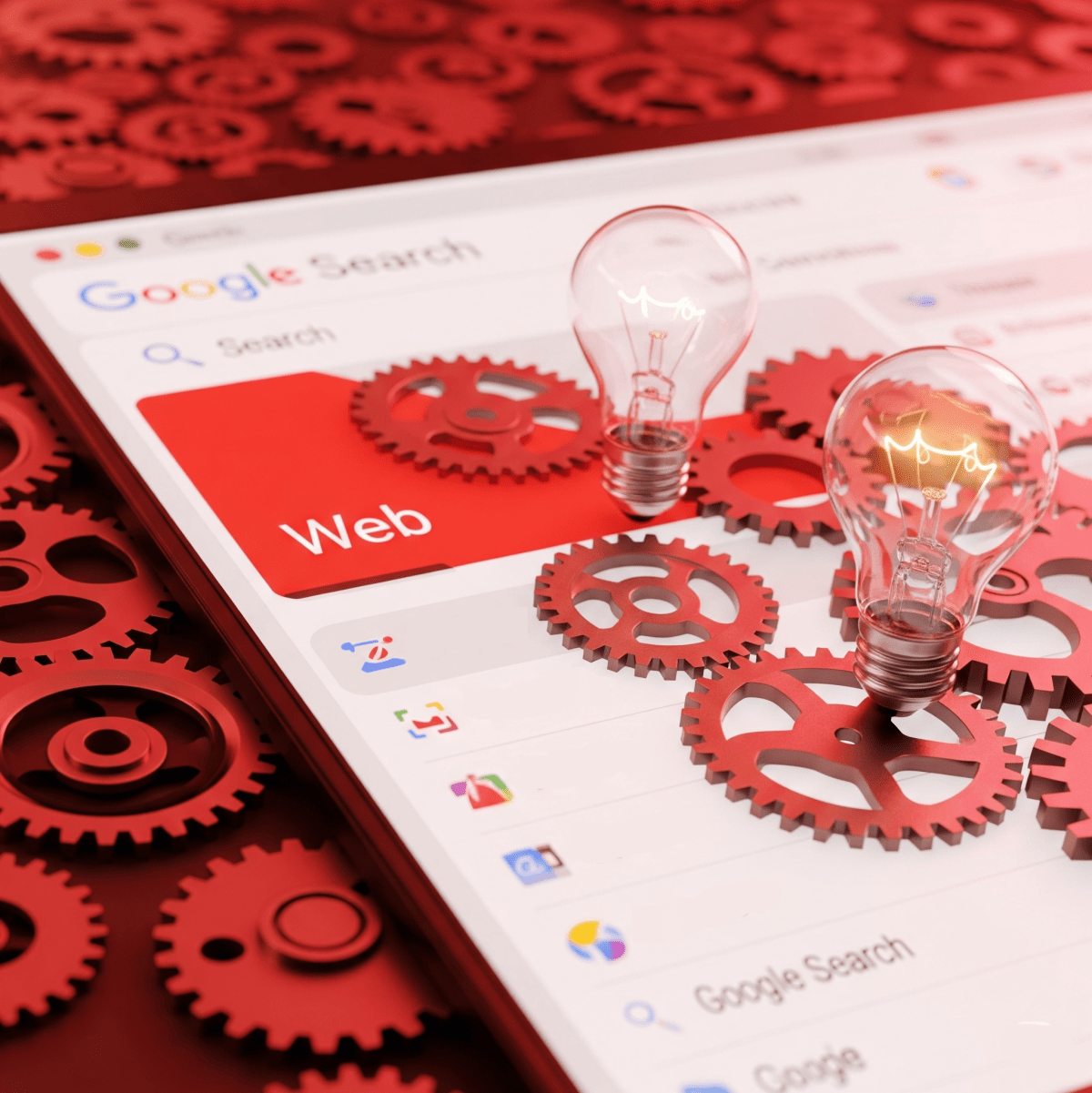
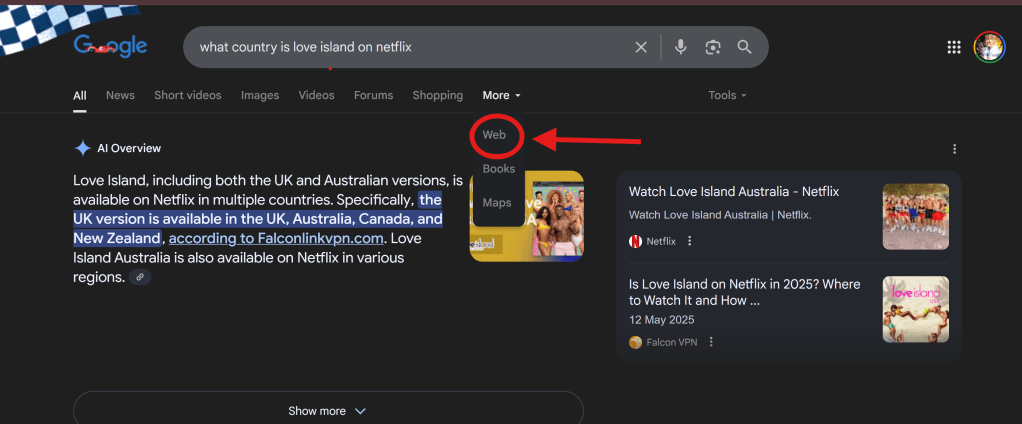
The easiest way to get around AI overviews is by hitting the “Web” tab in Google Search results—this lets you see regular links without the AI BS.
Here’s how:
When you do a Google search, the results page shows a bunch of tabs like “All,” “Images,” “News,” and more.
Locate the “Web” tab (you may need to scroll horizontally to find it).
Clicking the “Web” tab will display the traditional search results, effectively bypassing the AI Overview.
Screenshot of Google search results showing the option to switch to the ‘Web’ tab, bypassing AI Overviews for a traditional search experience.
If you want, you can also switch up your browser to something like Firefox or Safari, since they don’t show AI Overviews (yet).
If you get really creative with your search terms or make them super specific, it might help you steer clear of those AI overviews.
There are tons of browser extensions out there that can help you block or hide those AI Overviews. Some of the best ones to choose include:
“Hide Google AI Overviews”
“Disable AI Overview”
“Bye Bye, Google AI”
Whichever one you choose, just make sure you do your homework and only pick ones from trusted sources to steer clear of any security headaches.
How To Block Google From Using Your Content To Train AI
Google says its AI Overviews and AI Mode are meant to deliver quick, helpful answers and point people to various relevant sources, but it seems like that sentiment isn’t shared by everyone.
Some creators are really stressing about all the fake info spewed by AI overviews, and don’t want their pages referenced on them, because it could damage their credibility.
For this reason, many add “NoAI” tags to the header of their pages or in the meta data, telling Google not to use their work to train AI models.
Just a heads up…if you block Google-Extended (that’s a crawler for some of Google’s AI products like Gemini), it’ll keep those bots from using your content to train their AI, but it won’t affect how your site shows up in regular Google Search or AI Overviews.
So if you really want to keep your content out of AI Overviews, you’ve got to block Googlebot from crawling those pages.
But!
That would also make your pages disappear from regular search results…
As you can see: finding that sweet spot between being seen and having complete control over your content can be tricky.
That’s why it’s super important for creators to find tools that can help them make smarter decisions about their web presence, as Google keeps updating its docs and changing the way search is done.
I’d advise you subscribe to my newsletter to keep up with the latest best practices for handling content in this ever-changing search world.
That way, you will be the first to know about any new information regarding Google, as they will be sent directly to your inbox regularly.
Google AI Overview Displaying Search Results For Recipes
Google’s AI Overviews are rapidly transforming the search landscape, and a fascinating aspect of this shift is their ability to understand implicit user intent, particularly for recipe-related queries.
Gone are the days when you needed to explicitly type “chicken tikka masala recipe” to get cooking instructions. Now, AI Overviews can intelligently surface recipes even when the word “recipe” isn’t anywhere in your search query.
The Power of Implicit Understanding
This shift highlights the growing sophistication of Google’s AI, powered by advanced natural language processing and machine learning.
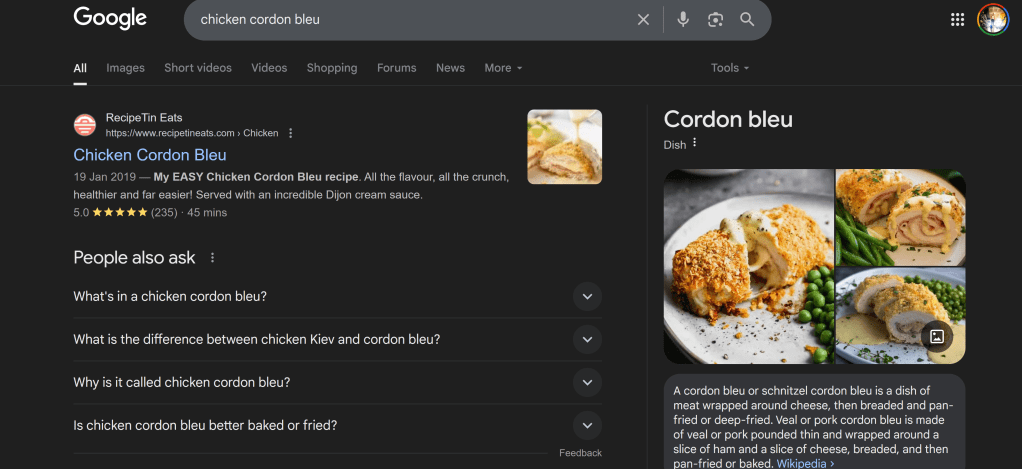
When you search for something like “chicken cordon bleu” or “healthy dinner ideas,” Google’s AI doesn’t just look for keywords; it analyzes the query’s context, common user behavior associated with such phrases, and the entities mentioned.
It understands that someone searching for a dish name is highly likely looking for a recipe, even if they don’t explicitly state it.
For example, a search for:
“chicken cordon bleu”
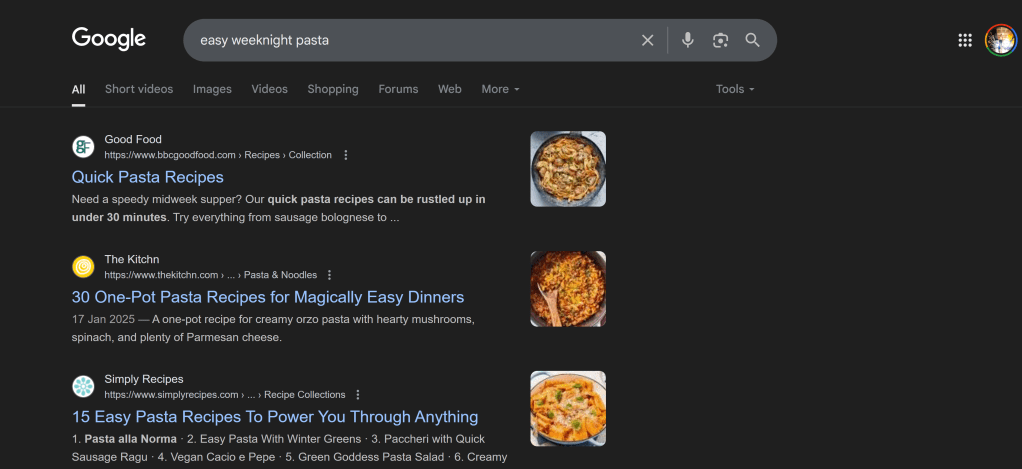
“easy weeknight pasta”
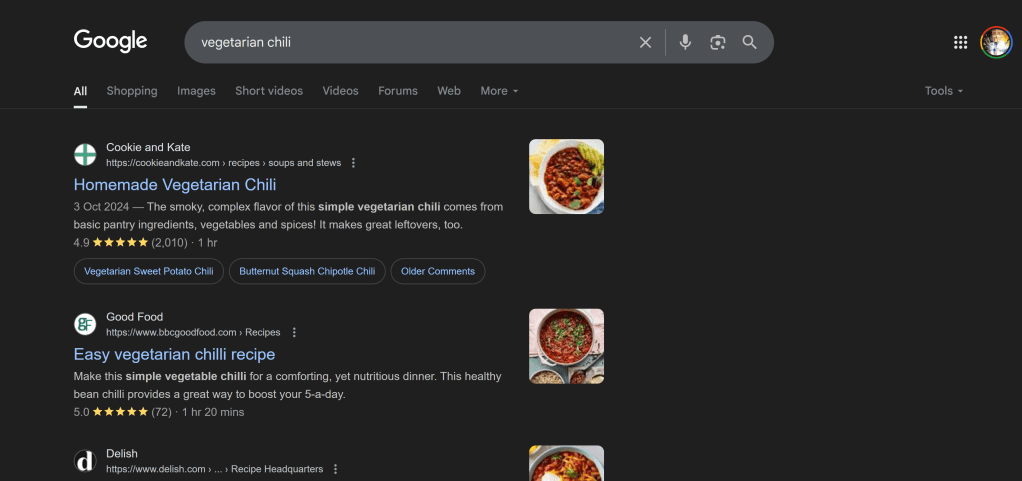
“vegetarian chili”
can now trigger an AI Overview that provides a summarized recipe, including ingredients and key steps, directly at the top of the search results.
This is a significant departure from traditional search results, which might have previously shown a list of articles or rich snippets that still required a click-through to find the actual recipe.
How it Works Behind the Scenes
Google’s AI models are trained on vast amounts of data, allowing them to recognize patterns that are suggestive of recipe intent even in less direct phrases.
This involves:
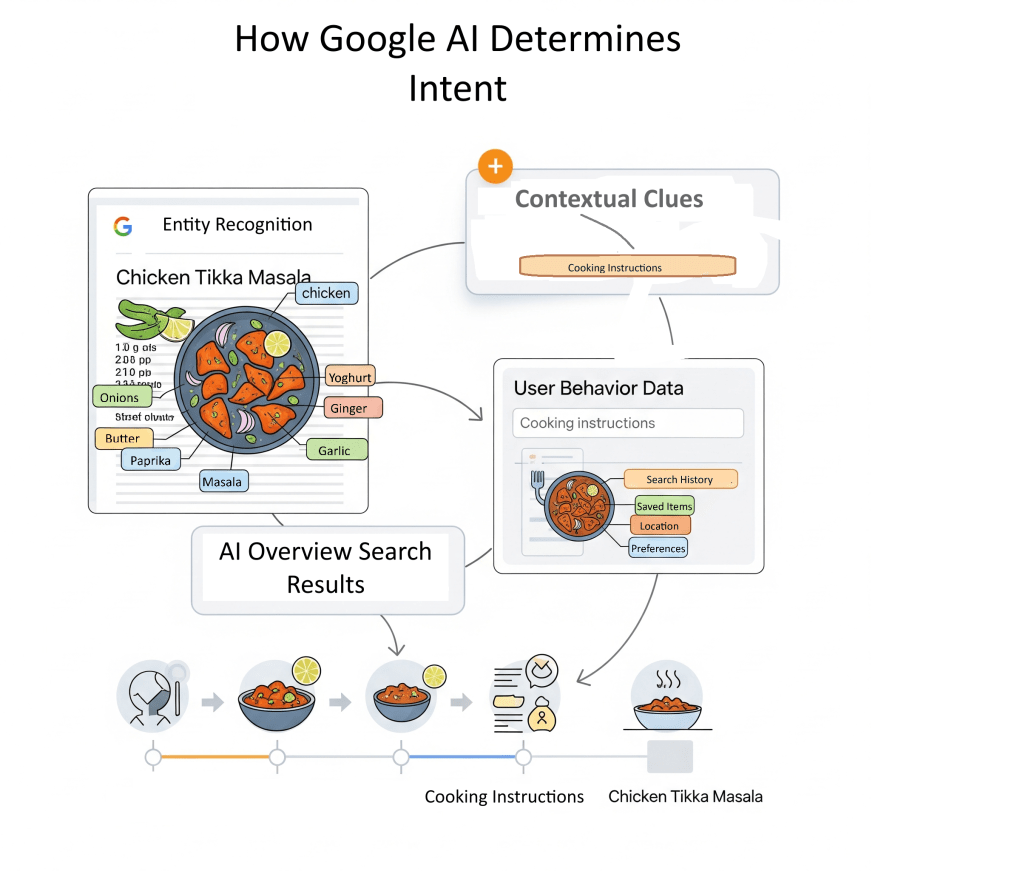
Entity Recognition: Identifying “chicken tikka masala” as a specific dish.
Contextual Clues: Understanding that “chicken tikka masala” often leads to a desire for cooking instructions.
User Behavior Data: Leveraging historical data on what users typically do after searching for similar queries. If a user usually searches for cooking instructions after
The “query fan-out” technique, described by Google, enables AI to perform several related searches across different topics and data sources, ensuring a complete response that meets user needs.
Why I Couldn’t Replicate AI Overviews Showing Recipes (Yet!)
I wanted to see this in action for myself, so I jumped into Google to try and replicate it.
I ran a series of searches for various dishes and food-related queries that, in theory, should trigger these AI-powered recipe overviews. My queries included phrases like:
“chicken cordon bleu”
“easy weeknight pasta”
“vegetarian chili”
“fluffy pancakes”
“homemade pizza dough”
However, after numerous attempts across different devices and browsers, I wasn’t able to consistently replicate an AI Overview showing a recipe for queries that didn’t explicitly include the word “recipe” or similar cooking-related terms.
Instead, what I primarily observed were:
Traditional search results: Links to recipe blogs, food websites, and cooking guides.
Rich snippets: Occasionally, a recipe rich snippet would appear, showing ratings, cook times, and ingredients, but this is a standard SERP feature, not an AI Overview.
Other AI Overview types: For broader informational queries, I sometimes saw AI Overviews summarizing general knowledge, but not specific recipes from implicit intent.
What Does This Mean?
My inability to replicate these results doesn’t mean Google isn’t doing it. Here are a few possibilities:
Staged Rollout & Geographical Limitations: Google often rolls out new features gradually and to specific regions first. While the initial reports indicated wider availability, it’s possible the most advanced, implicit-intent recipe AI Overviews are still limited to certain users or locations. My location (Birmingham, UK) might not yet have the full rollout for this specific functionality.
Dynamic AI Behavior: AI Overviews are constantly learning and adapting. Their appearance can be highly dynamic, influenced by real-time factors, query nuances, and even individual user history. What works one day might not work the next, or for different users.
Specific Query Nuances: While I tried various queries, it’s possible the exact phrasing, or a very specific set of implicit signals, is required to trigger these particular AI Overviews.
The Takeaway for Users and Content Creators
Regardless of my replication challenges, the truth of the matter is: Google’s AI is evolving to understand user intent beyond simple keyword matching.
For users, this means a more efficient and direct search experience. They can get quick answers and a summarized recipe without needing to navigate through multiple websites.
This can be incredibly convenient for meal planning or quick cooking inspiration.
However, for recipe bloggers and content creators, this presents both challenges and opportunities:
Potential for Reduced Clicks: If an AI Overview sufficiently answers a user’s query, some users may not click through to the original website, potentially impacting organic traffic. This effect is currently observed more on desktop searches than on mobile.
Increased Visibility in AI Overviews: Conversely, if your content is comprehensive, authoritative, and well-structured, it increases your chances of being featured in these AI-generated summaries. Being cited as a source in an AI Overview can still drive brand awareness and, in some cases, clicks from users who want to explore further.
Adapting Your SEO Strategy
To thrive in this evolving search landscape, recipe content creators should consider:
Focus on Comprehensive and Authoritative Content: Ensure your recipes are detailed, accurate, and provide real value. Google’s AI favors credible and reliable sources.
Optimize for Implicit Intent: Think beyond exact keywords. Consider what related phrases or dish names users might search for when looking for a recipe.
Structure Your Content Clearly: Use clear headings, bullet points, and structured data (like Recipe schema) to make it easier for AI to extract and summarize your content.
Emphasize E-E-A-T (Experience, Expertise, Authoritativeness, Trustworthiness): Build your site’s reputation by demonstrating expertise in your niche, citing reputable sources, and providing first-hand experience.
Monitor Performance: While direct tracking for AI Overviews in Google Search Console is still evolving, keep an eye on your overall organic traffic and adapt your strategy as needed.
By understanding how these overviews work and adapting your content strategy accordingly, you can continue to reach your audience and provide valuable information in this new era of search.
My personal experiment has only reinforced the idea that SEO in the age of AI requires a deep understanding of user needs and a commitment to creating highly valuable, well-structured content.
We might not always see the exact AI Overview we expect, but by optimizing for genuine intent, we’re building a future-proof strategy.
Have you been able to replicate AI Overviews showing recipes from implicit queries? Share your experiences in the comments below!
For too long, SEO professionals have played a waiting game with data. We’d make a change, publish new content, or see a sudden traffic spike, and then hold our breath for 24-48 hours before Google Search Console (GSC) would update with meaningful performance insights. Well, the wait is largely over! Google has delivered a fantastic update that brings near real-time data to our fingertips: the new 24-hour view in Google Search Console.
This isn’t just a minor tweak; it’s a significant leap forward in how we can monitor, react to, and optimize our websites for Google Search, Discover, and Google News.
What is the “24-Hour View”?
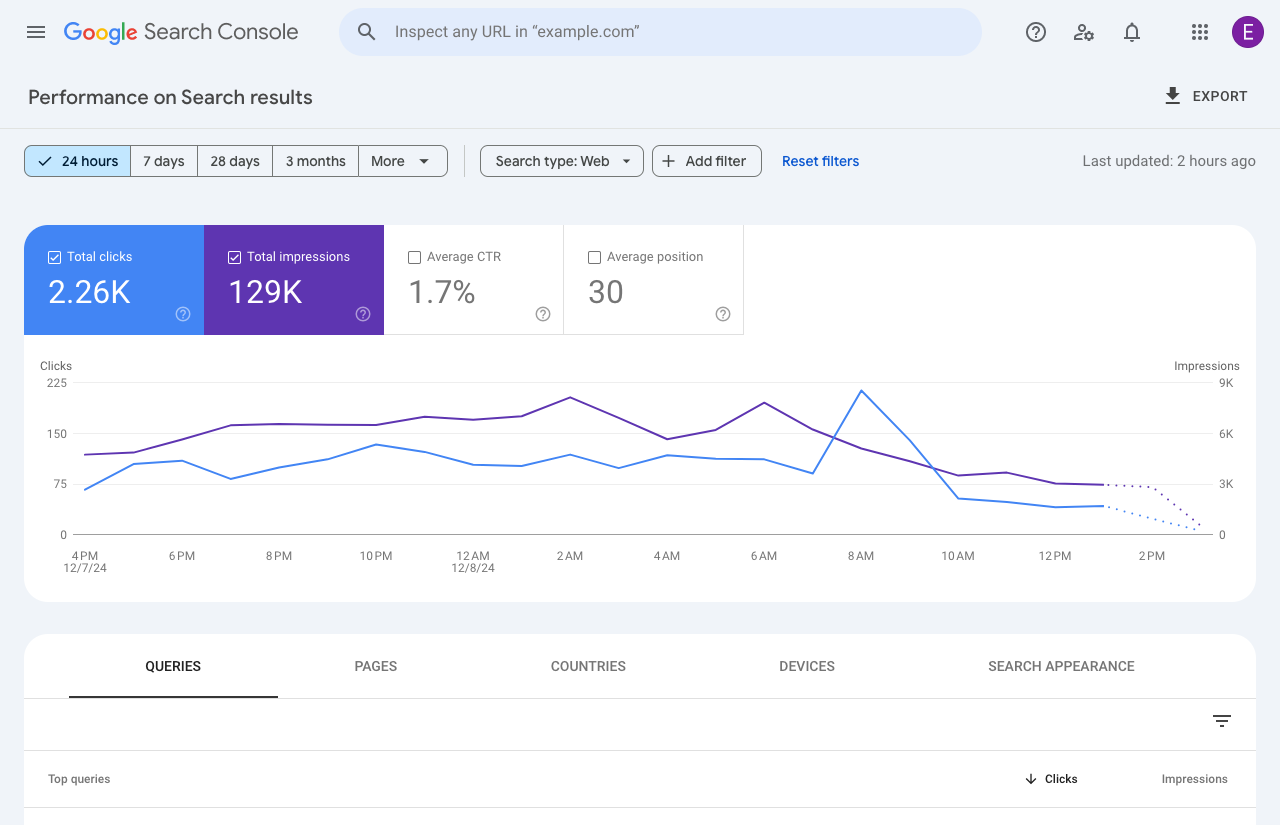
Launched in phases since late 2024 and fully rolling out in the past few months, the 24-hour view in GSC’s Performance reports now provides data from the last available 24 hours with a delay of only a few hours. Crucially, this data is broken down hourly, allowing for unprecedented granularity.
Key features of this update include:
Hourly Granularity: See clicks, impressions, average CTR, and average position hour-by-hour for the most recent 24-hour period.
Faster Data Freshness: The average data delay in GSC has been cut by nearly 50%, meaning you get insights much quicker.
Across All Performance Reports: This hourly breakdown is available for Search results, Discover, and Google News reports.
Local Time Zone: Data is displayed in your local time zone, making it easier to align insights with your publishing schedule and audience behavior.
API Access (for advanced users): For those who integrate GSC data into their own dashboards or tools, the Search Analytics API now supports hourly data for up to 10 days, offering even more flexibility for deeper analysis.
Why This Matters for SEO Professionals
This seemingly simple addition packs a powerful punch for anyone managing a website’s organic visibility:
Rapid Response to Performance:
New Content Launches: Publish a new article or product page and immediately see how it’s performing in search. If impressions are high but CTR is low, you can quickly tweak the headline or meta description.
Campaign Monitoring: Running a time-sensitive campaign or promotion? You can now monitor its SEO impact hour-by-hour, allowing for real-time adjustments to maximize visibility during peak relevance.
Troubleshooting Spikes & Drops: Did traffic suddenly surge or plummet? The hourly view helps you pinpoint the exact time the change occurred, making it far easier to correlate with a site update, a news event, or even an unconfirmed Google algorithm wobble.
Optimizing Content Strategy:
Best Time to Publish: Over time, you might identify hourly patterns in user engagement, helping you determine the optimal times to publish or promote content for your specific audience.
Understanding “Freshness” Boosts: For news sites or trending topics, the immediate data feedback shows how quickly Google picks up and ranks fresh content.
Enhanced Debugging & Analysis:
A/B Testing SEO Elements: While not a true A/B testing tool, the rapid feedback allows for more agile iterations on titles, descriptions, and other on-page elements, letting you gauge their immediate impact.
Identifying “Noise”: While some early hourly data can be “noisy” (indicated by dotted lines in the GSC interface), it still offers valuable early signals that were previously hidden for days.
Integration & Automation:
For agencies and large in-house teams, the API access to 10 days of hourly data is a game-changer. It allows for the creation of sophisticated, custom dashboards and automated alerts that can flag performance anomalies almost as they happen.
How to Access the 24-Hour View
Getting started is simple:
Log in to your Google Search Console account.
Navigate to the Performance report (either for Search results, Discover, or Google News).
In the date range selector at the top, choose the new “24 hours” option.
You’ll see a detailed graph showing hourly trends, and the accompanying tables will reflect the data for that recent period.
Remember, dotted lines on the graph indicate preliminary data that is still being collected, so while incredibly fresh, it might not be final.
What This Means for SEO
The addition of hourly data in GSC is another clear signal from Google: SEO is becoming increasingly dynamic and data-driven.
In a world where AI Overviews are becoming more prominent and real-time user intent shifts rapidly, having immediate feedback on your site’s performance is no longer a luxury – it’s a necessity.
This update empowers us to be more agile, make faster, more informed decisions, and ultimately, stay ahead in the ever-evolving world of search engine optimization.
So, dive into your GSC, explore the new 24-hour view, and unlock a new level of insight for your website’s performance!