
Categories
Listicles SEO

Top 10 Most Searched Celebrities of 2025

As any SEO professional who has earned his/her stripes knows…online buzz is not a thing of luck; it’s a crazy mix of technical work and media coverage.

Celebrities are the perfect examples of how widespread attention on the web can be built by such combination.

When an artist releases a new a new album or major film, this acts as a Pillar content which generates strong and sustainable search interest.

When Taylor Swift releases a new album, keywords like “Taylor Swift Eras Tour outfit cost” or “Ariana Grande ‘Wicked’ vocal analysis.” get searched by fans globally.

Fans spend hours, weeks, months, exploring search engines, looking for information about their favorite stars and their latest projects, creating high traffic opportunities.

They are basically the catalyst of every gossip blogger’s wet dream!

The celebs on this list often dominate search not just for their artistic work, but for their off-screen presence and fashion choices as well.

A significant portion of their search cache comes from Google Image Search, showing just how effective detailed, keyword-rich alt text can be in building online buzz.

I mean..who can ignore the pictures of Sydney Sweeney in a revealing sheer silver dress at the Variety Power of Women event.

While global politics (specifically, figures like Donald Trump and Elon Musk) tends to command the highest overall search volume, I’ve chosen to focus purely on entertainment and pop culture figures as they reveal the true drivers of celebrity SEO.

The rankings are based on aggregated global search volume, focusing on sustained popularity throughout the year.

By analyzing why they trend, I’m attempting to lay out the keyword strategies that drive global dominance and present a blueprint for maximizing celebrity-focused traffic in 2025.
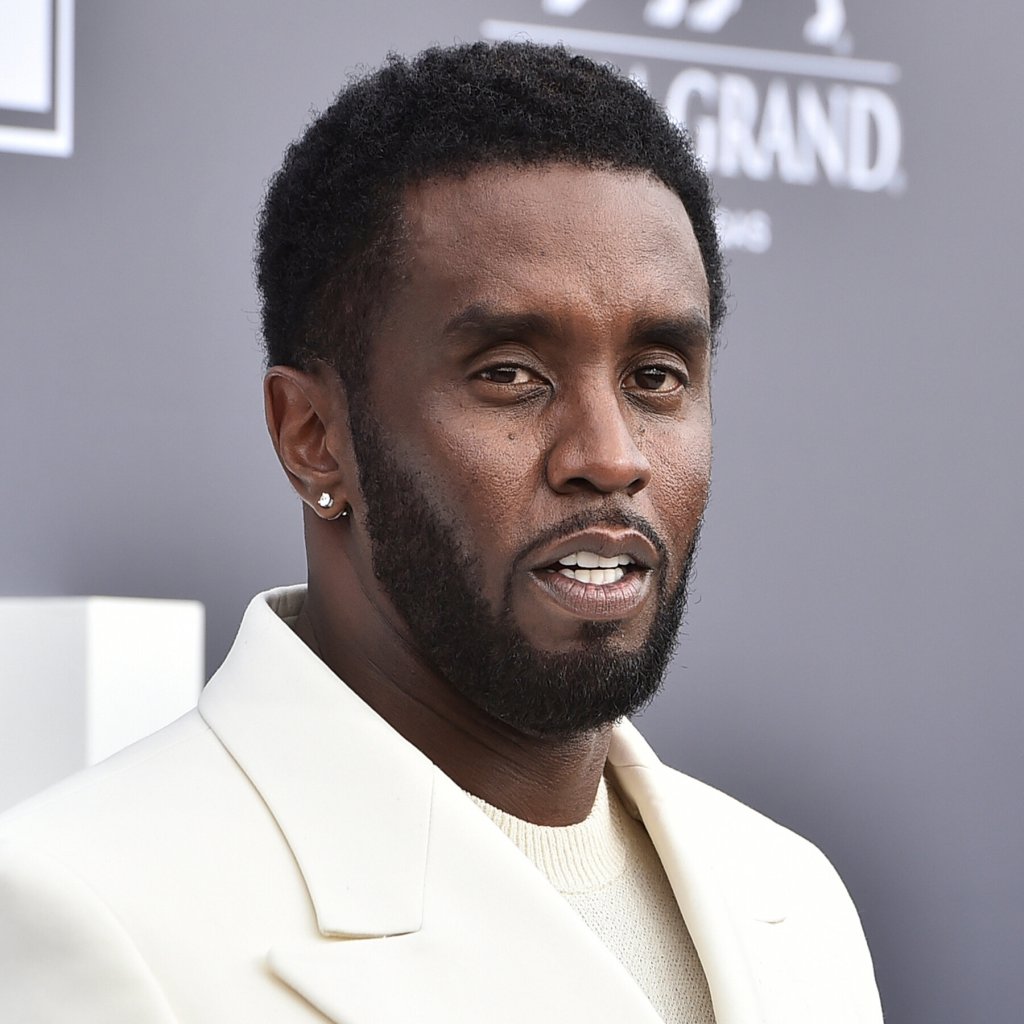

10. Diddy

Sean “Diddy” Combs was one of the most searched celebrities in 2025, mainly because of the legal drama he was facing, which completely overshadowed his musical endeavors.

Diddy is a rare case of a celebrity whose search numbers are almost entirely driven by informational intent….but the negative kind.

Unlike the search volumes for other musicians (driven by music and touring), Diddy’s consistent ranking was purely about crisis management and informational consumption.

Throughout the year, people were searching for direct results of news articles concerning the federal criminal trial.

The search engine results page (SERP) for his name was dominated by media organizations providing timelines, legal analysis, and daily court updates.


The trial for charges including racketeering, sex trafficking, and transportation to engage in prostitution began in May 2025 and concluded in July 2025.

This period brought in massive daily searches!

The jury’s partial verdict in July, finding him guilty on two transportation charges, followed by his sentencing in October 2025, further fueled peaked search events.

Users searched for keywords like “Diddy verdict explained” and “Diddy sentence length.”

This confirms that the user intent was overwhelmingly seeking detailed, factual information regarding the criminal proceedings.

This type of high-stakes, real-time news ensures continued search relevance.

Here is a video describing the legal proceedings relevant to the case:

Judge sets May 2025 date for Sean ‘Diddy’ Combs sex trafficking trial.


9. Ariana Grande

Ariana Grande being the 9th most searched celebrity in 2025 is a perfect example of putting out media content at just the right time.

Throughout the year, the famed singer juggled big movie roles whilst staying true to her roots as a pop star.

Unlike Diddy, her search volume was driven by planned promotional cycles, which are a blessing for SEO content creation.

The first major spike in her search volume came from music, despite her focus on acting.

The release of the deluxe edition of her Eternal Sunshine album, titled Brighter Days Ahead, on March 28, 2025, ensured her music career remained relevant.

This generated huge, short-term traffic for lyrics, reviews, and track details.

Keywords like “Eternal Sunshine Deluxe tracklist” and “Twilight Zone Ariana Grande lyrics” were highly searched.

This event kept her name buzzing in the music charts and conversation, bridging the gap between her studio album and her major film release.

The biggest and most sustained source of her 2025 search volume was her role as Glinda in the highly anticipated second part of the Wicked film adaptation.

The marketing hype for Wicked: For Good really kicked off in the second half of the year and hit its peak just before the big release on November 21, 2025.

This included major global premieres in cities like Singapore, press tours, and trailer drops.

This drove informational searches for “Wicked: For Good movie,” “Ariana Grande Glinda,” and specific event searches like “Ariana Grande Wicked premiere outfit.”

Lastly, her frequent public appearances, especially on that yellow brick carpet, really racked up loads of high-value, visual search traffic that was just right for affiliate-driven fashion posts.

Even recently there was an instance where an Australian social media troll, Johnson Wen, rushed and grabbed her on the red carpet at the Singapore premiere of Wicked: For Good.

Luckily, Grande’s co-star Cynthia Erivo and security personnel were there to quickly intervene and to pull the crazed fan away. 

All this goes to show how, an evergreen topic, (movie) can turn into a solid, multi-month content that has kept her search ranking bouncing around in the top ten.


8. Blake Lively

Blake Lively’s ranking as the 8th most searched celebrity in 2025 is a testament to the power of a perfectly diversified personal brand strategy.

She generated search volume not from a single major event, but from a combination of film, business, legal news, and high-stakes fashion moments.

The single greatest driver of her informational search volume was the ongoing and ultimately resolved legal controversy surrounding her 2024 film It Ends with Us, involving co-star Justin Baldoni.

When a celebrity is involved in a public legal battle, users search for facts, timelines, and court updates.

Search volume for this topic was high and persistent through the first half of 2025.

Keywords like “Blake Lively Justin Baldoni lawsuit dismissal” or “Ryan Reynolds protects Blake Lively” generated intense, high-intent traffic for news outlets.

The eventual dismissal of the defamation case in the latter half of the year created a final, massive spike in celebration and resolution news.

Lively anchored her traditional celebrity traffic with the release of a major film sequel that leveraged existing fan nostalgia.

The release of Another Simple Favor in the spring of 2025 (premiering in March and released in May) brought her back to the promotional red carpet circuit.

Fans generated searches for the trailer, reviews, and, most importantly, her character’s iconic style with keywords like “Another Simple Favor plot summary” and “Blake Lively Another Simple Favor outfits” driving impressions.

Usually, sequels benefit from built-in search volume from the original film, guaranteeing a high baseline of interest.

Beyond her film endeavors, Lively consistently maintained search relevance through her entrepreneurial ventures and her unmatched style.

Even when she skipped the 2025 Met Gala, the subsequent articles titled “Why Blake Lively Missed the 2025 Met Gala” still pulled massive traffic.

This ultimately proves that her iconic fashion history makes her a constant subject of interest.


7. Lionel Messi

Lionel Messi’s search ranking in 2025 was a global phenomenon fueled by his exceptional performance in the U.S.

His traffic was mostly thanks to his fantastic skills on the pitch and how he played for the Argentine national team during the World Cup.

Messi’s second season with Inter Miami CF took him past all the hype and into certified GOAT status, thus making sure sports fans all over the world search for him every single day!

The cherry on top was him winning the 2025 MLS Golden Boot with 29 goals and snagging the MLS MVP award.

Those two major achievements blew up his searches, with keywords like “Messi Golden Boot 2025” and “Inter Miami playoff schedule” peaking in demand.

His presence in the MLS alone continued to draw a huge new audience to the league itself. This created unique regional and localized keywords, like “Inter Miami tickets price” and “how to stream MLS games,” often leading to affiliate and e-commerce opportunities.

Even when he wasn’t on the field, all those endless comparisons with Cristiano Ronaldo (mainly thanks to streamers like IShowSpeed) kept the buzz alive and brought in lots of traffic for “Messi vs Ronaldo 2025 stats, “Messi records” and “all-time goal scorers”.

GOAT debate aside, there is no doubt that Messi’s remarkable athleticism helped to boost his online presence with timeless content about his legacy.


6. Sabrina Carpenter

Sabrina Carpenter’s high ranking this year is a masterclass on how how a fairly known music performer maximized a breakout opportunity.

2025 was the year Carpenter transitioned from a successful pop artist to a certified global chart-topper.

She crashed onto the scene with nonstop touring, hit songs, and a knack for keeping the online chatter about her relationships super interesting.

The release of her album Man’s Best Friend in August 2025 and the massive critical/commercial success of its singles drove record search volume.

Her album secured the biggest opening week of the year for an international artist in the U.K.

She had appearances at the 2025 GRAMMYs and headlined sets at major festivals like Primavera Sound and BST Hyde Park, which created multiple short-term, high-traffic events.

Keywords like “Sabrina Carpenter Manchild lyrics” and “Short n’ Sweet Tour setlist” were being used heavily to boost search.

Moreover, her continuous (though unconfirmed) association with an A-list celebrity, often through subtle references in her lyrics and music videos, kept her name in the gossip cycles.

This fueled high-intent searches seeking confirmation or analysis, like “Sabrina Carpenter new song about Barry Keoghan?

During this period, searchers turned to Google to deconstruct her lyrical clues and alleged hidden meanings in her songs.

There were even detailed articles dedicated to breaking down the lyrics and perceived relationship in the gossip information space.

All that surely helped to capture the high intent informational queries that propelled her to our number 6 spot of the most searched celebrities of 2025.


5. Kate Middleton

Kate Middleton, the Princess of Wales, kept her spot as a top search in 2025 for a totally different reason than celebs like actors or musicians.

Her search volume was driven by a powerful blend of human interest, health updates, and her return to public life.

Kate’s health journey, which began with her cancer diagnosis in 2024, continued to be the single most powerful driver of sustained search volume in 2025.

When she announced she was in remission back in January 2025 and opened up about the ups and downs after treatment, it got people really talking.

Everyone started looking up news sites about how she was doing and what her future might look like.

The buzz was all about her settling into a “forever home” (Forest Lodge) in Windsor, which essentially meant that the family was focused on finding some stability.

This drove searches for “Kate Middleton health update November 2025” and “Kate Middleton in remission.”

This type of content really hits home for readers and gives them the information they crave.

Every planned public appearance in 2025 was treated as a major global event, leading to guaranteed, time-sensitive search spikes.

Events like the annual Remembrance Day service in November and her Christmas carol concert in December instantly generated massive traffic. And then, the surprise appearance of her children, particularly Prince George, at some of these events added another layer of search interest.

These events call for fast, real-time publishing to capture the short-term trending keywords like “Kate Middleton Remembrance Day outfit 2025” or “Prince George Armistice Day appearance.”

The year also saw the birth of the “Kate Effect”—where any item she wears immediately sells out—ensuring constant, lucrative search traffic.

Her re-wearing and upcycling of designer outfits (like her Catherine Walker coat for the Remembrance service) drove interest in sustainable fashion trends.

Her adoption of trends like “butter yellow” in the summer and “plaid tweed” in the autumn generated high-intent purchase searches.

This is prime territory for affiliate marketing. Target keywords with purchase intent: “Kate Middleton butter yellow dress dupe” or “Shop similar to Kate Middleton plaid suit.”

The case of Kate Middleton highlights the importance for bloggers to aim for keywords that cover the full story and give a solid breakdown of public figures.


4. Liam Payne

Liam Payne being at the top of search results in 2025 is pretty unique and definitely an interesting case for an SEO deep dive.

After his tragic death in October 2024, there was a lot of emotional chaos, and people held some memorial events to remember him.

The biggest reason people were searching was the strong emotional bond his fans and the media felt about losing the former One Direction star.

The one-year anniversary of his passing in October 2025 generated a massive spike of commemorative articles, tributes from former bandmates, and reflection on his life and legacy.

Keywords like “Liam Payne death anniversary” and “One Direction members tribute to Liam” were highly searched.

The ongoing news about his estate, and the legal discussions around the potential release of his two unreleased solo albums, kept his name in the music headlines through the summer.

At that time, keywords such as “Liam Payne unreleased music” and “Liam Payne second album release date” targeted music fans with high informational intent.

Payne’s passing really sparked a whole new wave of interest in the entire One Direction story, making everyone’s name pop up in the chat.

The news of Zayn Malik’s return to the One Direction business entity in late 2025, and reports of the remaining members reuniting privately, pushed search queries like “One Direction reunion 2025” to viral heights.

This indirectly tied Payne’s name consistently to one of the biggest pop groups in history.

Then there was the heartfelt moment when the four surviving members came together at his funeral in late 2024. That, along with the touching tributes from his ex, Kate Cassidy, really kept the buzz going all through 2025!

On top of that, the news of a handwritten 2017 letter from Taylor Swift to Liam Payne going up for auction for a significant sum created a major viral news story in November 2025.

This event totally mixed the high search buzz around two worldwide icons.

Search terms like “Taylor Swift letter to Liam Payne auction” and “What did Taylor Swift write to Liam Payne?” snagged traffic from both fan bases.


3. Cristiano Ronaldo

Cristiano Ronaldo shows us that age doesn’t really matter when your brand is built on crushing it on the field, having a huge fan base, and keeping rivalries alive.

In 2025, he totally had a steady stream of search volume, thanks to his one-of-a-kind status as an athlete who’s also a big-time media brand.

Even at 40, his on-pitch achievements for Al Nassr and the Portuguese national team ensured constant relevance and high-value sporting searches.

His continued elite performance (scoring six goals in seven games in late 2025) drove searches for “Cristiano Ronaldo 2025 stats” and “Al Nassr league table.”

His excitement about getting Portugal to the 2026 World Cup totally caught everyone’s attention. People were online, searching for queries like “Ronaldo Portugal World Cup qualifiers“.

Also, the constant comparison to Lionel Messi doesn’t hurt either….

It provides a reliable, evergreen traffic source of searches like “Ronaldo vs Messi 2025 stats” as fans are eager to find out who’s the better player.

But don’t get it twisted, Ronaldo’s brand influence far transcends football scores. He isn’t named the most most marketable footballer in the world for 2025 for nothing.

He steadily shows his commercial dominance by driving business-focused searches like “Ronaldo net worth 2025” and “Ronaldo endorsement deals.”

Not to mention, the fact that he had recently reached billionaire status and scoring the title of “first billionaire footballer in history”!

All this contributed to him earning the 3rd spot on our list for the most searched celebrities in 2025.


2. Sydney Sweeney

Sydney Sweeney snags the spot as the most searched actor on this list.

Her position here proves that being viral, cranking out films, and having a smart personal brand really pay off in search traffic.

Sweeney was everywhere in 2025, ensuring multiple points of search entry for casual and dedicated fans.

The main reason she blew up in popularity is thanks to a wild advertising campaign that sparked a whole lot of debate in the U.S. culture wars.

In July 2025, Sweeney featured in an American Eagle ad campaign that had the slogan “Sydney Sweeney Has Great Jeans.”

The ad featured a pun on the words “jeans” and “genes” and showed the blonde-haired, blue-eyed actress saying, “Genes are passed down from parents to offspring… My jeans are blue”

Although the campaign was met with polarizing sentiments, it generated massive attention and an estimated 40 billion impressions!

I guess all publicity is good publicity…

U.S. site visits to American Eagle’s website shot up, as a result of the ad., with year-over-year growth hitting over 60% just days after the ad campaign kicked off.

An online debate sparked as a result, with searches for the word “eugenic“, being used by curious fans to get a scoop of the gist.

Then there was a smaller spike in search interest around early August, when people found out Sweeney was a registered Republican and that Trump endorsed the ad.

Apart from the drama, a significant portion of her high ranking is tied directly to her strong visual brand and her presence at high-profile events.

For example, her striking looks at events like the Met Gala 2025 and the Vanity Fair Oscar Party generated immediate, high-volume searches.

Overnight, she became a recurring trending topic on social platforms, often relating to “debates over beauty standards” and her general visibility.

As the most searched actor, her content benefits heavily from Image Search.

So SEO success for her requires hyper-descriptive, accurate alt text on every photo to capture the purchase intent.


1. Taylor Swift

Taylor Swift completely dominated the search charts in 2025, and it’s no surprise!

She’s did it with her unique mix of captivating content and deep connection with her fans.

Swift generated search volume simultaneously across four major spheres: Music, Touring, Personal Engagement, and catalog.

The release of a new album (e.g., The Life of a Showgirl in late 2025) smashed modern records. This generated high-volume, repetitive searches for lyrics, meaning, theories, and vinyl variants.

The final, record-breaking legs of the Eras Tour kept keywords like “Eras Tour ticket prices” and “Eras Tour surprise songs” consistently trending and highly competitive.

Her high-profile engagement (reported in late 2025) drove a massive spike in high-intent purchase searches.

Again, keywords like “Taylor Swift engagement ring cost” and “promise rings vs engagement rings trends 2025” (the “Swift Effect”) shifted consumer search behavior.

Even her older, re-recorded music continued to generate searches, proving the stability of her evergreen catalog content.

Her way of dropping hints and sneaky clues makes fans keep coming back for more, eagerly searching for the next bit of content. This keeps them hanging around longer and visiting again and again.

Lastly, she knows how to use content to make money in so many ways—like selling vinyl, going on tour and raking in ticket sales, plus earning from her catalog through streaming and licensing.

It’s quite impressive how her popularity online leads straight to cash in her pocket!

Who do you think I missed on my list of the most searched celebrities in 2025? Let me know in the comments below!



Categories
News SEO

Game Over, Deepfakes? Google’s New Plan to Scrub Non-Consensual Explicit Content from Search️

You’ve seen the headlines. You’ve heard the outrage. The rise of non-consensual explicit deepfakes (AI-generated, hyper-realistic fakes) is one of the nastiest digital threats we face.

Deepfakes are basically a type of gender-based violence that messes with privacy and leaves serious, long-term damage.

And after all the big public messes (like the Taylor Swift deepfake fiasco), Google has finally said enough is enough.

They’ve rolled out a major, multi-pronged counterattack in their search engine, and it’s a big deal.

But is it enough to finally win the “whack-a-mole” game against online abuse?


The Threat is Real

Before diving into Google’s response, let’s get the scale of the problem.

Deepfakes are synthetic media created with sophisticated AI that can make it look like a person is doing or saying something they absolutely didn’t.

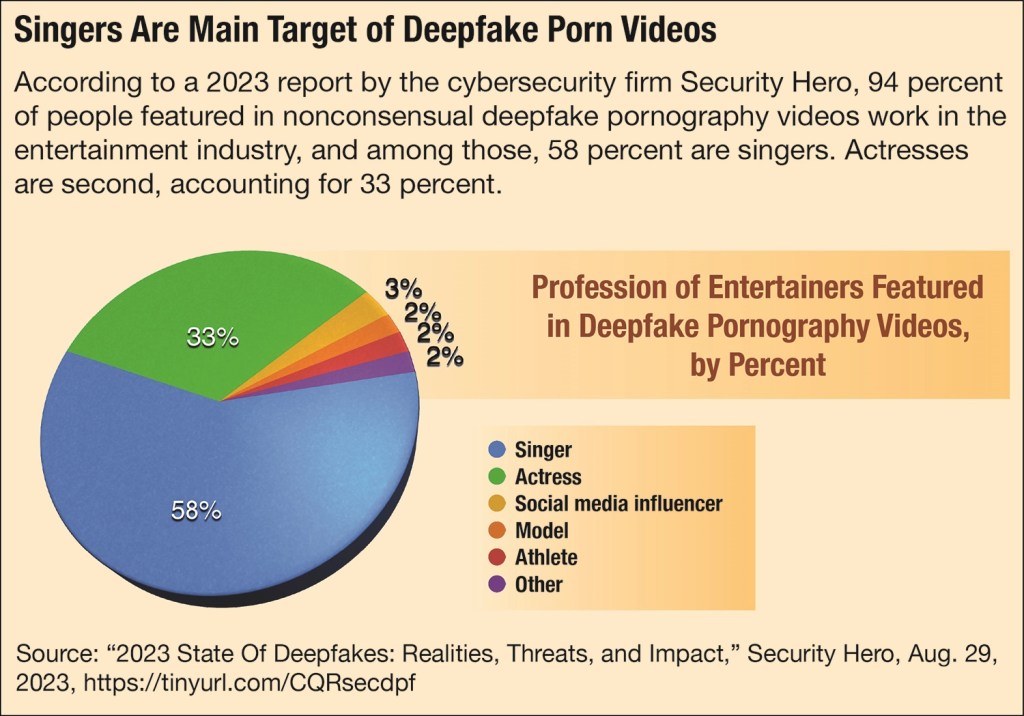
And here’s the kicker: this digital abuse disproportionately targets one group: Women!

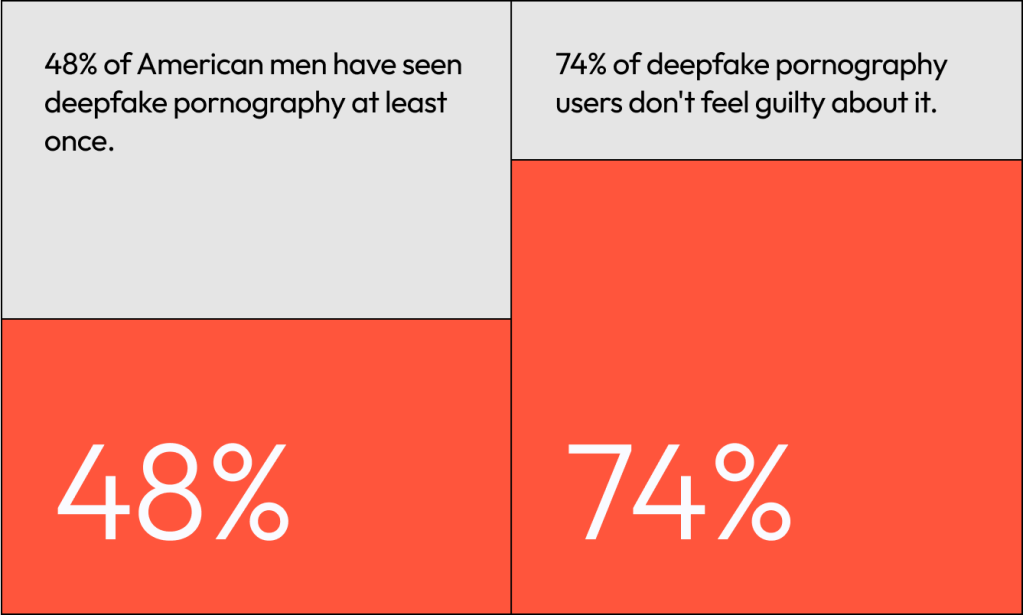
A report by Sensity AI found a shocking 96% of all deepfake videos online were non-consensual sexual deepfakes, and 99% of these targeted women.

This shows that the problem isn’t just some technical glitch but a serious violation of sexual privacy that is masssive and fast-moving.

Deepfake creation tools are now so cheap and easy to use, some services can make a video for as little as $2.99. That content is generated and re-uploaded faster than platforms can remove it…

It’s a never-ending cycle of abuse!


Google’s Response To The Threat Of Deepfake

Google’s old approach of just reacting to takedown requests was clearly failing. Their new strategy is an all-out, three-part effort that moves from simple content removal to a total algorithmic overhaul.

Instead of just waiting for users to report links, Google is proactively changing the way it ranks and filters content.

How are they doing this?

  • Site Demotion: If a website is a repeat offender (constantly hosting or sharing explicit deepfake content) Google is lowering its overall search ranking. This acts like a severe penalty, burying the site deep into the search results where no one will find it.
  • The E-E-A-T Quality Filter: Google’s search algorithm now leans harder on its quality framework: Experience, Expertise, Authoritativeness, and Trustworthiness.
    • For sensitive searches (especially those involving a person’s name), the system is designed to prioritize reputable, non-explicit content, like news articles or educational sites, instead of harmful images. The goal is to change the search outcome from finding deepfakes to educating the user about the issue.

Google is claiming some success, reporting a reduction of over 70% in exposure to explicit image results for specific, targeted queries.

That’s a moderate win!

Google has also streamlined the process for victims to get their content removed.

Their updated policy explicitly lists “involuntary fake pornography” as content that will be removed upon request.

This is huge because once a removal request is approved, their systems will “scan the web to remove duplicate or similar content.”

This is their best shot at solving the “whack-a-mole” problem by preventing the same content from instantly popping back up with a different URL.

The detection technology has to keep up with the deepfake creators in what’s being called an “AI arms race.”

Google is collaborating with outside experts on advanced systems like UNITE, which is designed to spot forgeries beyond simple facial swaps.

This system looks at the full video frame, including backgrounds and motion patterns, to catch subtle inconsistencies that older detectors would miss.


Not All Victims are Equal

Google’s made some serious progress, but let’s be real: not everyone’s getting the same level of protection.

The reported 70% reduction seems to be most effective for high-profile, celebrity-related searches – the ones that garner huge media attention.

Surprisingly, deepfakes of “relatively less well-known social media influencers can still be found in the first three pages of Google search results.”

This suggests the new systems may not yet provide the same level of safety for the general public as they do for high-signal, celebrity-related cases.

Historically, Google was a major facilitator of this abuse—data from 2023 showed they were the “single largest driver” of web traffic to deepfake pornography sites—so while they’re taking decisive action now, the persistence of the problem for lesser-known individuals shows there’s a long road ahead.


Google isn’t alone, the industry response is a mess of fragmented approaches:

The absence of a solid strategy leads to a messy mix of protections around the world.

That’s why fresh legal ideas, like the proposed “Take It Down Act,” are so important.

This law would make it a must for platforms to set up a notice-and-takedown system for people affected.

They’d need to make “reasonable efforts to remove duplicates or reposts” within just 48 hours, and there would be some serious legal consequences if they don’t follow through.


Final Takeaway

Google has made significant, commendable progress. The move to proactive demotion and a streamlined, duplicate-removing process is a game-changer for victims.

However, this is not a problem that can be definitively “solved.”

The tech is always evolving, and the fact that lesser-known individuals are still exposed shows that the fight isn’t over.

A truly effective solution will require continued tech investment, greater transparency, industry-wide cooperation, and the support of strong, enforceable legal frameworks like the “Take It Down Act.”

What do you think is the single most important action tech companies should take next?

Let us know in the comments!

Categories
News SEO

Google’s March And June 2025 Core Updates

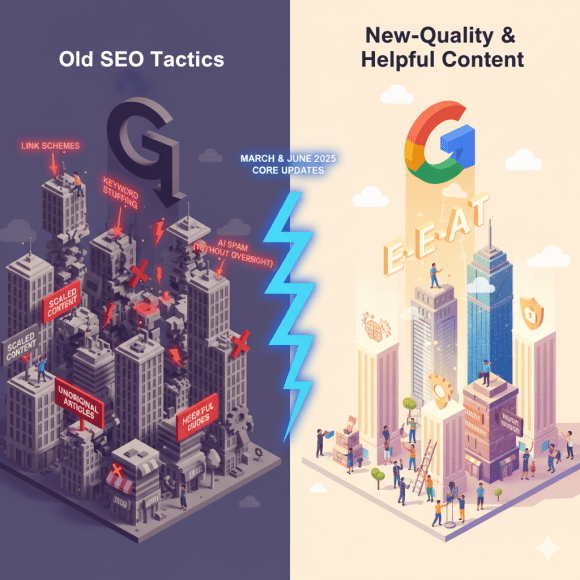
The first half of 2025 has been pretty bumpy, with some major ups and downs in rankings after the March 2025 Core Update and its follow-up in June 2025.

So, what’s the deal with these new updates?

Google’s really ramping up its game to get rid of all that “unhelpful” and junky content, and it’s shaking things up in search results, causing quite a buzz in the SEO world!

The March 2025 Core Update

The March update hit the scene with a bang, and right off the bat, people were noticing one big thing…

Google is getting way better at spotting and pushing down content that doesn’t really do much for users.

The algorithm targeted websites that used to score big with black hat strategies like:​

  • Churning out tons of articles on the same stuff, usually just rehashing what’s already out there.
  • ​Copying, spinning, or aggregating content without adding unique insights, research, or a fresh perspective.
  • ​Filling articles with grammatical errors, poor structure, lack of depth, or misleading information.​

…they all began to see their rankings plummet, so fast, you would have thought they were hit by giant missile!

It was a real eye-opener for a lot of businesses, driving home the point that just cranking out more trashy content will only do more harm than good.

The June 2025 Core Update

The March update got things rolling, but the June 2025 Core Update really took it up a notch.

The update basically fine-tuned and improved on what was already set in March.

It showed that Google was serious about prioritizing content that’s actually helpful, high-quality, and original.

It was as if Google was saying, “We’re not joking—we’re going to make the search results better!”

The impact was immediate and, for some, devastating.

Websites that managed to weather the March update, perhaps due to a slower rollout of the algorithm or less direct targeting, found themselves caught in the June wave and saw further declines.

So Who Was Most Impacted?​

The sites that got hit hard by these updates usually had some things in common:​

  1. They either ran content farms out of junk content and let robots do the writing. Or they would just copy and paste stuff from other websites without adding anything worthwhile.
  2. They were affiliate sites, especially those thrown together just to game the SEO system. They often lacked any real unique reviews or insights.
  3. They were sites with keyword-Stuffed, unnatural Content. The latest updates heavily cracked down on those kind of domains that crammed content with keywords in the hopes of gaming the system.
  4. Sites that attempted to artificially inflate rankings through link schemes, cloaking, or other deceptive practices.​

Look..the bottom line is, although AI content is getting better, any text that’s 100% cranked out by machines and not touched by human hands will be ignored. Or worse, penalized!

Google’s algorithms are becoming increasingly sharper and can sniff out unoriginal materials, no matter if it was made by a person or a robot.

So if you’re trying to bounce back or even shine in this new online world, Google’s got one straightforward tip:

Deliver what your users really want.

Sounds like it’s time to really lean into E-E-A-T (Experience, Expertise, Authoritativeness, and Trustworthiness) because nailing these points is more important now than ever.

Here are some key recommendations for adapting:

Focus on putting out content that brings fresh ideas, thorough research, cool viewpoints, or actual experiences to the table.

Whilst doing so, think about being helpful and ask yourself if your content really answers someone’s question the right way, or gives a unique perk.

It’s important to make sure your content is written by people who actually know what they are talking about and have some real experience.

You can even mention the authors and share their credentials, in a nice lil byline!

Whatever you, just be real, share the facts, and back up what you say.

Go for white-hat SEO methods – think about building links the right way, keeping your website technically solid, and churning out great content instead of trying to cheat the system.

The March and June 2025 Core Updates are a big deal in Google’s journey to build a more helpful and trustworthy internet.

This shake-up is a solid reminder that it’s really about giving users the best information and experience possible.

If you take this idea to heart, you’ll definitely be the one of the few who comes out on top in the future.

Categories
guide SEO

7 Types Of Questions You Need To Ask Before Starting Any SEO Campaign

Gone are those days when you had to cram a bunch of keywords into your content, or build a farm of links to have a successful SEO campaign.

A successful SEO campaign isn’t just about tweaking keywords or building links…

it’s more like a smart business move that kicks off with a detailed, multi-layered discovery process.

In this article, I’ve laid out seven key questions—or “types” of questions—that you need to tackle before diving into any SEO project.

By pulling together insights from business goals, website health, competition, and how users think, this framework gives you a roadmap for turning your site into a strong, money-making, and respected organic traffic source.

In this article, I’ll help you to really understand how to sync up your SEO work with your main business goals, set achievable expectations, and create a strategy that can handle the ever-changing world of search engines and market rivals.

The seven types of questions are:

  1. What Are The Business & Money Goals?
  2. Who’s Interested & What Are They Looking For?
  3. What’s The Competition Up To?
  4. What Is The Website’s Past & How Is It Doing Tech-wise?
  5. How Much Content Do You Have?
  6. What Are The Operational & Resource Limits?
  7. What Are The Success Metrics & Reporting Expectations?

These questions make up a go-to guide for anyone looking to get solid information, whether they’re a marketing manager, agency owner, or just a content creator flying solo.

1. What Are The Business & Money Goals?

This type of question lays down the basic “why” of the SEO campaign, making sure that all the decisions you make later on are in sync with the main business goals.

Instead of just chasing after empty stats, you really need to dig deeper into the reason for which you are doing SEO.

Rather than just wanting “more traffic”, you need to get to the heart of what “profit” and return on investment (ROI) means to the business.

Every SEO campaign, no matter how big or small, should kick off with clear, measurable goals. Saying “get more sales” is just an appetizer, not the main course.

You’ve got to narrow it down to the kind and quality of leads or sales we really want.

And that means knowing the client’s current processes inside and out and spotting areas that could use some work.

For example, if a client is pulling in tons of leads but they’re not really that great, the aim of the campaign could be to fine-tune the online audience so you’re only getting the most relevant demographics.

In that case, you might need to kick things off with questions that dig into the client’s financial model.

To get a solid grip on how the business makes money, you could ask:

“Which products or services are your cash cows?”

This insight will help you figure out where to put your SEO efforts.

But here’s the kicker: The strategy varies a lot from one industry to another.

For an e-commerce shop, you might want to highlight products that rake in the most cash or those that are trending right now.

But in the medical space, boosting local patient visits or pushing certain high-value services could be the goal.

Alternatively, for construction companies, ranking for specific project types in local searches could be what’s needed.

This tailored approach to each industry ensures your SEO work is actually driving revenue, and isn’t just to get customers.

You would be snagging profitable customers from organic traffic.

But reaching this goal means you have to understand metrics that go beyond just counting how many people visit the site.

Most SEO guys often kick things off by first looking at traffic and rankings, but those are merely fancy stats that mean little without financial value.

The real connection between those figures and the big win of “more sales” lies in financial metrics like Customer Lifetime Value (CLV), Cost Per Acquisition (CPA), and Return on Investment (ROI).

These numbers link the campaign straight to financial success.

The following table lays out a number of SEO success metrics that are tied to financial value, to help you guide the way.

Table: SEO Success Metrics Hierarchy

2. Who’s Interested & What Are They Looking For?

Make sure your campaign is rooted in real human psychology, not just a bunch of mechanical algorithms.

In other words, get inside the head of the person typing away at their search bar and figure out what they really want.

One of the biggest mistakes marketers make is thinking their audience is “everyone”.

A smarter way to go would be to nail down the target audience by looking at demographics, but even more crucially, psychographics.

This way, you really get what drives them, what their fears are and what bothers them.

This kind of detail is invaluable for creating content that truly resonates with people and meets their needs.

To dig up this information, you need to ask some pointed questions about age, gender, and income.

Even more important than all that, you’ve got to dig deeper into what makes them tick.

Think in terms of…

  • What pushes someone to make a purchase?
  • What are their main fears or worries—both at work and in their personal lives?
  • How do they usually research products or services before they buy, and who do they turn to for advice?

By peeling back these layers, you can build detailed profiles that act as the backbone of the whole campaign.

A campaign’s knack for building E-E-A-T (Experience, Expertise, Authoritativeness, Trustworthiness) really hinges on how well it gets what the audience is thinking and feeling deep down.

Think of a search query as a peek into someone’s real issue or need which are tied back to what they are worried about or what’s bothering them.

For instance, when someone types “how to fix a leaky faucet,” it’s usually because they’re stressed about possible water damage or dreading a big plumbing bill.

If your content just skims the surface with basic solutions, it’s not going to rank well compared to a detailed guide that…

  1. digs into the user’s real worries,
  2. highlights the author’s knowledge,
  3. and builds trust through clear and organized information

So, diving deep into what makes your audience tick is more than a nice-to-have; it’s essential for crafting content that actually helps out.

This, in turn, can boost your rankings, get people more engaged, and maintain your authority.

The goal here is to turn these psychological insights into actionable keyword research.

Moreover, by really understanding what your audience is concerned with, you can pinpoint the four big types of user intent:

Informational, Navigational, Transactional, and Commercial Investigation.

For example, if someone’s worried about getting shoddy work done, they might search for “guide to choosing a home renovator,”…

whereas someone looking for a deal might type “best deals on outdoor gear.”

Keep in mind that most topics have a mix of intentions, and the search results pages (SERPs) show what Google thinks people are after.

The table below lines up audience psychographics with the keywords and content formats that will really hit the spot.

Table: Audience Persona & Search Intent Map

3. What’s The Competition Up To?

As any avid gamer would say “get to know the battlefield first before attacking the opps!”.

In business terms..this means, to do a deep dive and spot chances for standing out, that highlight where your competitors might be weak.

A solid SEO plan needs to not only know who the competitors are but also…

  • what they’re doing right,
  • where they’re dropping the ball,
  • and what makes your business special

It’s important to realize that competitors can vary between business models and SEO approaches.

For example, one might be a big industry blog rocking those informational keywords, while another is a smaller competitor going after those transactional terms.

When you dive into a competitive analysis, first fish out who the main players are.

Ask yourself the following questions:

  • Who are the top competitors, both online and offline?
  • What’s their game in marketing, and what do customers love or hate about them?
  • And, of course, what’s your Unique Selling Point (USP) that sets you apart from the rest?

This last bit is super important because it shapes the core message for your entire campaign.

Don’t make the mistake of copying what others do!

Instead find that “untapped market space” where you can really shine.

A lot of marketers make the erroneous move of checking what competitors are ranking for and trying to beat them at their own game.

Most marketers do this because it feels safe, but this often turns into an expensive, head-to-head struggle for those high-traffic, super-competitive keywords.

A smarter play is to spot the “gaps or weaknesses” in what competitors are doing.

Maybe a competitor has a solid backlink profile but their content is pretty weak.

In that case, the savvy move would be to take advantage of that by crafting “better content” using tricks like the “Skyscraper Method”.

This way, you can build authority in a niche that the competitor has overlooked, making you the go-to expert on the topic.

While you’re positioning yourself as the go to expert, keep an eye on what your rival’s customers are saying…

For instance, if feedback shows that people stopped buying from a competitor because of lousy customer service, your content can shine a light on your top-notch service and quick responses.

This way, your brand comes across as a trustworthy choice and directly tackles a pain point the competition is ignoring.

Carve out a solid position, don’t just scramble for a short-term ranking.

The following table lays out a multi-faceted approach to competitive analysis.

Table: Multi-Faceted Competitor Analysis

4. What Is Your Website’s Past & How Is It Doing Tech-wise?

Before diving into a new strategy, you’ve gotta get a grip on the foundations.

A “pre-flight check” helps you spot potential penalties, any historical baggage, and technical hiccups that could sink a campaign before it kicks off.

If your website has a bad domain history or existing technical problems, that can really hold things back.

And by bad domain history, I’m not referring to 404 errors…

I mean having a reputation problem that often needs rebuilding trust with both search engines and users.

At this point, start by checking if your site has ever been hit with penalties or warnings from Google.

Dig deep into the domain’s history because a domain that’s been involved in spam, malware, or scams can cause some serious headaches – like indexing problems for new pages and lower search rankings.

In this case, any proactive SEO work, like creating content, researching keywords, or building links, will be held back by that sketchy domain history.

The initial phase of the campaign is about cleaning things up and building trust.

To create a strategy based on a solid historical audit, you have to disavow links, submit new sitemaps, and check the current technical state of the website.

Ask yourself: Are there any issues like broken links or slow load times?

See the checklist below for a handy framework for this foundational audit.

5. How Much Content Do You Have?

Take a good look at your current content stash, figuring out what’s actually there and what’s worth keeping based on the new campaign goals.

Your best treasure is usually your existing content and an audit helps pinpoint what can be used again…

Maybe there’s an awesome article that needs a little sprucing up?

What can and should be tossed out?

Think of the thin, low-quality content.

Many clients jump to the conclusion that they just need to “pump out more blog posts,” but that’s a one-way street that eats up resources.

A smarter play is to check out what they already have first.

Ask yourself these key questions, for a thorough content audit:

  • Is there a current content strategy, and how often do they churn out new stuff?
  • Who’s in charge of keeping things updated?
  • Plus, what’s actually working well, and how do we define “working well”?

The main goal is to find content that’s already killing it in rankings so it can be improved even more. These can be tweaked or repurposed to other formats such as infographics, images, podcasts etc.

That way, you build up the site’s authority using what already works instead of cranking out endless new materials.

This sets off a cycle where better content gets even more traffic and links, which ups the site’s authority.

And with higher authority, future content stands a better chance of ranking well too, making life easier with each new piece.

This approach shifts things from a “cost-per-blog” model to managing assets strategically.

You can use the following matrix to sort out existing content and guide your strategy.

Table: Content Audit & Strategy Matrix

6. What Are The Operational & Resource Limits?

Take the strategy from just being a cool idea to something that actually works by checking out what the client has in terms of resources, team setup, and budget.

There’s no point in having the best SEO strategy if the client can’t afford it or doesn’t have the right setup to pull it off.

By understanding these limits from the start, you avoid any awkward moments or crazy expectations later on.

Here are some questions you can fire off from the start, to make sure the strategy works:

  • What’s the budget for this project?
  • Is it a one-time thing or will there be ongoing costs?
  • Who’s the go-to person for SEO chats, and who calls the shots?
  • What’s their operational reality? For instance, how long does it usually take to get content approved and posted?
  • How much help will the in-house dev or marketing team offer, and how savvy are they with SEO stuff?

A solid SEO plan has to grasp both the human side of things and the operational setup, in addition to the search engine algorithms.

A technically “perfect” SEO audit might suggest a full site migration, but that advice goes out the window if the client’s on a tight budget and doesn’t have developers on standby.

In that case, you might need to conjure up a new plan that doesn’t drain resources.

So instead of going for a big migration, the strategy could zoom in on on-page content tweaks or link building, as those can be tackled with fewer hands on deck.

Keep in mind that the best strategy isn’t always the one that looks good on paper, but the one that can actually work in real life.

In that sense, any SEO engineer needs to be like a translator, turning techy recommendations into a game plan that fits what the client can realistically do.

The following table lays out how to match up strategic moves with what clients can manage.

Table: Operational & Resource Alignment

7. What Are The Success Metrics & Reporting Expectations?

How you measure, report, and, most importantly, adapt the campaign’s success over time matters a great deal.

Set some real expectations early on and turn the SEO relationship into a long-term, flexible partnership.

Remember: If you can’t measure it, you can’t manage it!

Before you dive in, you need to nail down the success metrics and timeline.

So, ask some key questions like:

  • What metrics will show us we’re doing well (like organic traffic, rankings, conversions)?
  • What tools will we use to keep track (think Google Analytics, Google Search Console, and other SEO tools)?
  • What does the client expect regarding timing and results?

You should also explain the two types of SEO metrics:

  1. Leading indicators, like keyword rankings and search visibility,
  2. Lagging indicators such as conversions and ROI.

Above all, the main question you should be asking, isn’t really “When will I see results?” but more like “How do I adapt when things change?”

Once you adopt that mindset, suddenly the focus shifts from “Am I on track?” to “What’s changed, and how do I adjust?”

Businesses and junior marketers often think of SEO as a quick fix with a by-the-date result.

But SEO is really a dynamic, long-term game that gets influenced by things we can’t control, like algorithm changes and what competitors are up to.

And it’s up to you as a strategist to help reset these expectations.

You can use the following template for a complete reporting dashboard.

Table: SEO Reporting Dashboard Template

A solid SEO campaign means planning smart and diving deep into analysis.

Use the seven-types framework in this article as a roadmap to turn your website from just a basic online hangout into a strong, money-making, trusted source that drives organic traffic.

This method makes sure that every SEO move you make is in sync with what your business really wants.

It is backed by a clear understanding of who your audience is, and taking a hard look at the competition and your own setup.

One healthy tip I can give you is to make sure that you start with this thorough discovery process because..

skipping these crucial questions usually leads to chasing empty metrics, ignoring real-life issues, and ultimately not getting a good ROI.

The real magic of a skilled SEO strategist isn’t just their knack for handling technical tasks, but their ability to:

  • Ask the right questions right from the start
  • Turn complex data into a straightforward business game plan
  • Keep a flexible, long-term relationship focused on growth
Categories
News SEO

Answer Engine Optimization is becoming the new way to boost traffic!

The digital scene is buzzing with a new game in town: Answer Engine Optimization (AEO).

For ages, SEO professionals have been fine-tuning their websites to peak Google’s ranks, all in the hopes of snagging that sweet first-page spot to rake in organic traffic.

To achieve this, SEO engineers use a mix of different tricks, like optimizing keywords, building links, and making sure the site runs smoothly, to help a website show up and rank well for all sorts of relevant searches.

This whole idea was based on the belief that when someone starts looking for something online, they kick things off with a keyword search and wrap it up by clicking on a website to dig deeper.

Answer Engine Optimization (AEO) is giving a fresh twist to that view!

AEO proves that folks are actually less inclined to scroll through a bunch of boring blue links; they’d much rather get direct answers to direct questions!

AEO is all about tweaking your content so that search engines can deliver quick and spot-on answers directly to users, no clicks needed.

It makes your content the go-to answer for a particular question, whether it pops up in a featured snippet, a voice assistant reply, or an AI chat.

While SEO is focused on boosting a website’s overall position, AEO’s main aim is to get your content chosen and shown as the quick, trusted answer people are looking for.

But this doesn’t mean traditional SEO is dead, not by a long shot!

What’s happening is that the way we think about “visibility” is changing.

Take ChatGPT, for example—they’re a big part of this whole “answer engine” wave.

For one, ChatGPT’s user base has totally blown up, with reports showing hundreds of millions of people using it every week!

How ChatGPT Is Boosting the New Traffic Funnel

Data from different sources like Semrush and Ahrefs show that more and more referral traffic is coming from AI platforms to websites.

It may not be as huge as the organic traffic from Google, but the growth is pretty obvious and definitely deserves some serious attention.

Here are some interesting facts about the platform, according to Semrush figures in June 2025:

  • ChatGPT.com is visited approximately 5.24 billion times each month
  • ChatGPT.com has a bounce rate of 40.01%.
  • Each visitor views an average of 4.5 pages per visit
  • Each user spends an average of 12 minutes and 9 seconds on the site.

In addition to that, it was estimated that ChatGPT received 37.5 million searches per day in 2024, while Google received 14 billion.

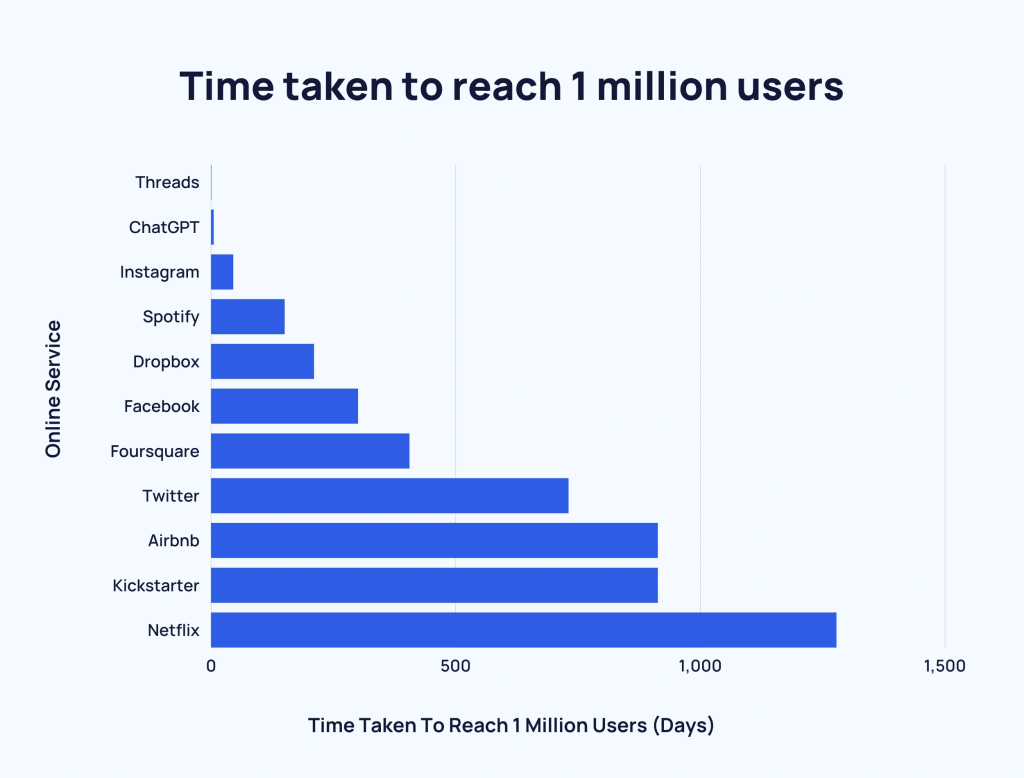
According to OpenAI, ChatGPT acquired 1 million users just 5 days after launching in November 2022. 

This made it the fastest-growing application in history until Threads took that crown in July 2023.

By comparison, it took Instagram approximately 2.5 months to reach 1 million downloads. And Netflix had to wait around 3.5 years to reach 1 million users.

Incredibly, it’s estimated that ChatGPT then went on to hit 100 million monthly active users in January 2023, two months after launch.

To put that into perspective, TikTok took 9 months to reach 100 million users. And Instagram took 2.5 years. These figures are according to Statista, Reuters.

And it seems like this wave is not gonna slow down anytime soon.

According to figures from SEMrush, traffic from AI search engines is projected to overtake traffic from organic search in 2028.

So even though Google still dominates the search game, these new AI-first platforms are going to take over the search game in a few years.

Why Is Answer Engine Optimization So Appealing To Users ?

A big reason we’re seeing more need for AEO is that zero-click searches are blowing up.

According to data from SparkTaro and Semrush, by 2024, almost 60% of Google searches were concluded without anyone actually clicking on any links.

The rise of zero-click searches isn’t just some random stat—it’s like a “silent revolution,” showing how people are more concerned about instant gratification and getting what they want right away.

As you can imagine, this shift in user behaviour is really alarming for businesses.

If a brand’s online presence and success are tied exclusively to organic click-through rates (CTR), it could be in big trouble and end up fading into the oblivion.

The good news is, a brand can still boost its visibility and brand awareness through those zero-click interactions, even if nobody actually visits the site.

I’ve prepared a framework that showing a fresh way to measure success for AEO campaigns!

Table 1: AEO Performance Metrics Framework

Keeping an eye on both the usual SEO metrics and these new AEO metrics lets you make sure your approach covers all bases for search visibility and shows you’re actually getting a good bang for your buck.

Traditional SEO vs Answer Engine Optimisation

The relationship between AEO and SEO is often misunderstood.

But here’s the deal: AEO isn’t trying to compete with traditional SEO; it’s more like a add-on that works on top of a strong SEO foundation.

Ultimately, both strategies aim to boost online visibility and meet user needs. The only difference is that they go about it in different ways and have their own specific approaches.

The table below shows the main differences and similarities between the two approaches:

Table 2: The main differences and similarities between SEO and AEO

Knowing how these two strategies work together is key to succeeding in this new wave of the AEO revolution.

A brand can’t really hit it big with AEO unless it first builds some trust and credibility with the traditional SEO approach.

AI engines and search algorithms really favor content from trusted, credible sources that show they’re experienced, knowledgeable, and authoritative—basically, they look for those who know their stuff and can be trusted!

This basically means that if you want your website to be seen as a legit source by answer engines, you’ve gotta put in the long haul work for SEO—like building up a solid domain, scoring some quality backlinks, and churning out killer content.

An Easy Guide to AEO Implementation

To pull off a solid AEO strategy, content creators needs to zero in on three main things:

  1. Creating awesome content
  2. Technical optimisation
  3. Observing key answer environments.

Content Strategy for Answer Engines

The whole idea behind AEO is making content that’s giving direct answers and is machine – friendly.

You need to ditch the idea of keyword matching with queries and switch to a more chatty, intent-focused style.

To kick things off, figure out what questions your audience is really curious about.

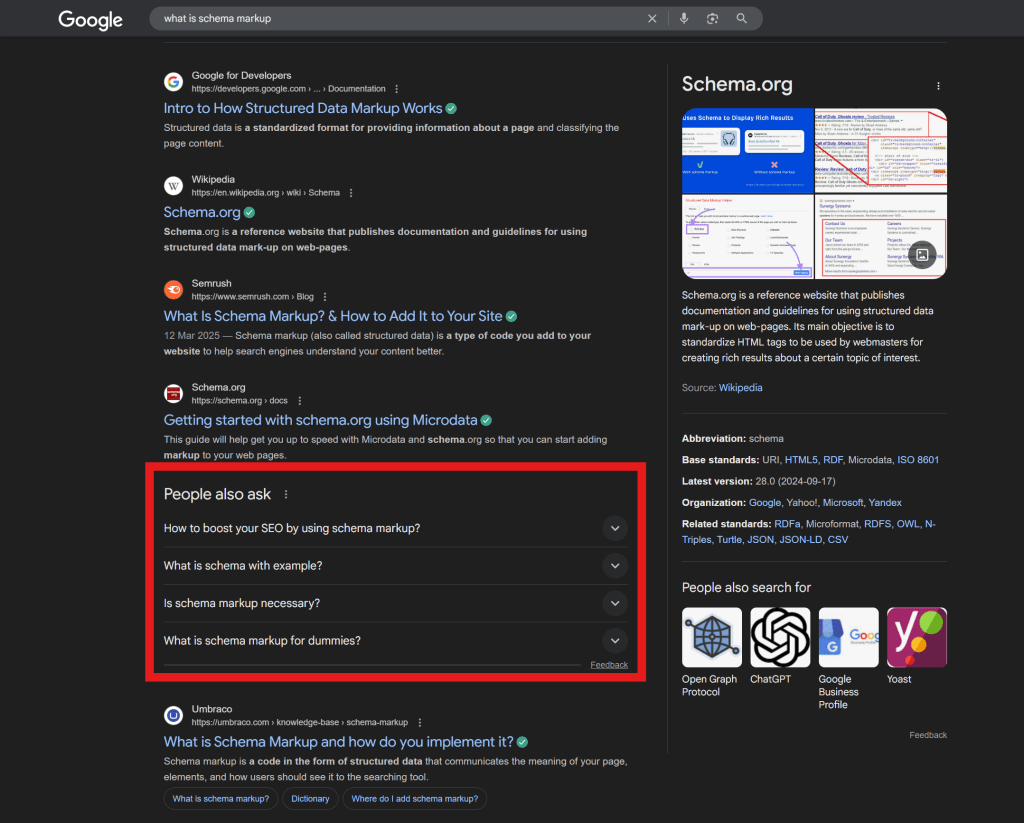
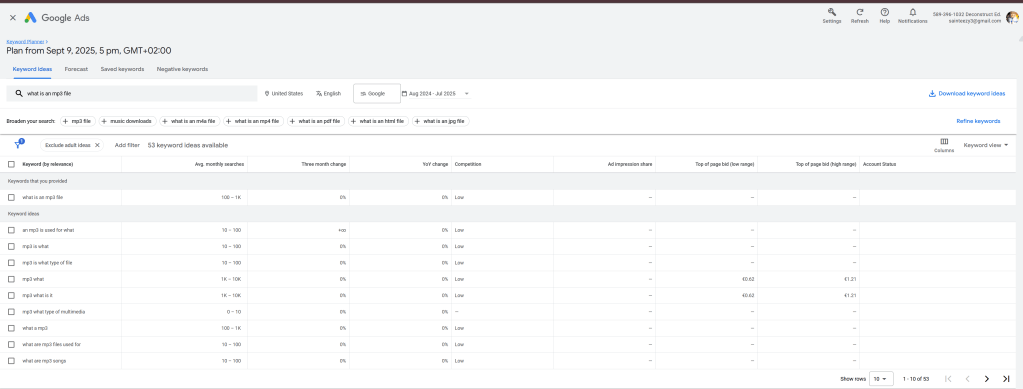
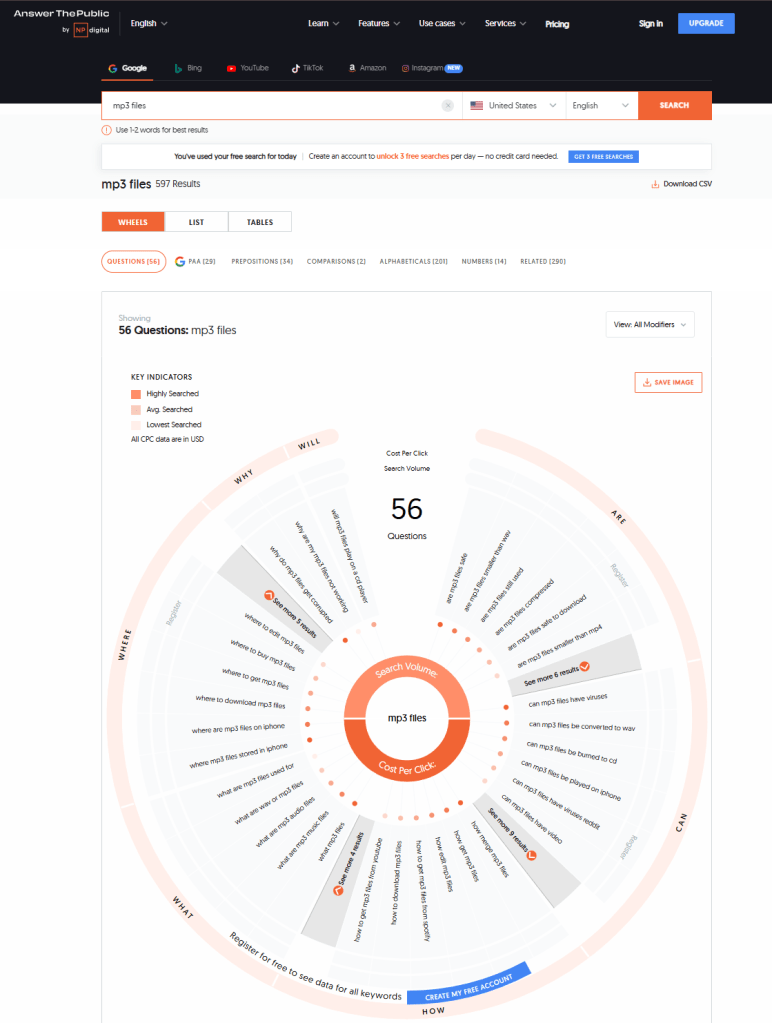
Check out tools like Google’s “People Also Ask” or Keyword Planner, along with AnswerThePublic—they’re super handy for digging up those popular questions people are asking that you can easily tackle in your content.

Once you’ve got your questions sorted out, it’s time to lay out the content for both people and AI.

Think of it like a FAQ style, where you set up a question as a subheading (H2 or H3) and then dive right into a short answer right after.

Keep it simple and to the point, around 40-60 words is perfect, so it’s easy to skim through.

Scannable information like bullet points, numbered lists, and tables are super handy for boosting readability and making it easier for search engines and AI to grab the bits that matters most.

Technical Optimization

While content is what people see with AEO, a solid technical foundation is what keeps the AI systems coming back.

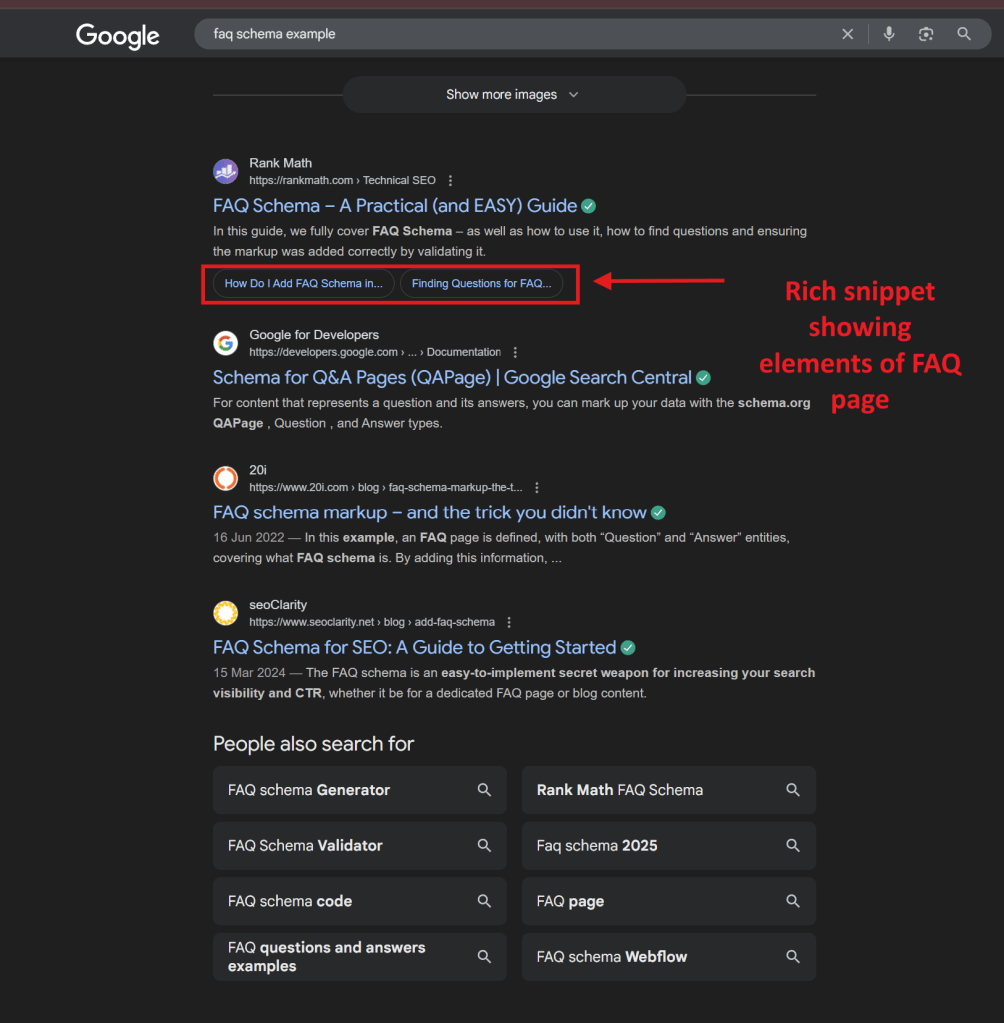
Structured data, or schema markup, is crucial for nailing your AEO strategy. When you add this code to your website’s HTML, it helps search engines and AI systems get a grip on your content, boosting your chances of popping up in quick-response formats.

Some schema types like FAQ, How-to, and Q&A work wonders for AEO because they’re made to present information in a way that’s easy for answer engines to digest.

But structured data isn’t the only thing; you also need to make sure your entire website is technically sound.

Think mobile-first design since a lot of conversational searches happen on smartphones and make sure your page loads fast—this is key for ranking well in both traditional and AI-powered searches.

Key Answer Spaces

A successful AEO strategy targets key search environments where direct answers are provided. For example:

Featured Snippets

Featured snippets are those neat little boxes that pop up at the very top of search results, often called “position zero” — everyone wants to grab that spot!

They’re the go-to for quick answers, and guess what? Around 70% of them are just plain ol’ paragraphs, with lists making up 19%, tables at 6.3%, and videos trailing behind at 4.6%.

But securing one of those spots isn’t as easy as it sounds! To snag one of these featured snippets, your page has to first bust into the top 10 organic results for the search term you’re after.

Luckily, I’ve prepared a cheeky cheat sheet to help you understand what you need to do.

Table 3: Featured Snippet Optimization Cheat Sheet

People Also Ask (PAA)

PAA boxes are basically a bunch of related questions that show up on the search results page.

Even though they only get about a 6% click-through rate, they’re a great way to boost your visibility and show that you know your stuff.

To snag a spot in a PAA box, make sure your content uses a question-and-answer format with H2 or H3 subheadings that are framed as questions.

Lastly, keep your answers short and sweet, around 2-3 sentences tops!

What’s the Future of Search Going to Be Like?

While AEO is all about optimizing for those traditional answer boxes, the next big thing is Generative Engine Optimization (GEO).

GEO is how you tweak your content for generative AI platforms like Google’s SGE and ChatGPT, which are all about coming up with responses instead of just pulling them from somewhere.

Unlike AEO, which is more of a “narrower strategy” focused on rich snippets and knowledge graphs, GEO takes a broader approach that looks at “narrative control” and “sentiment” in all kinds of AI optimization efforts.

GEO creates deep, authoritative content hubs packed with entity signals and citations, making them way more likely to be used and quoted in those AI-generated answers.

The ongoing back-and-forth about AEO, SEO, GEO, and SGE really shows how fast things are changing in the digital world.

Instead of picking just one, the best move is to mix them all together into one cohesive strategy.

Think of it as “search-everywhere optimization.”

Each one brings something unique to the table:

SEO builds authority and gets your brand out there, AEO grabs those specific question-driven searches and helps build trust, while GEO makes sure your brand’s story is spot-on in AI-created summaries and chats.

By going for a blended, multi-faceted approach, your brand can stay ahead of the game and keep its content relevant as search continues to evolve.

Categories
guide SEO

How Google’s Algorithm Actually Works

Ever wondered how Google magically conjures up the perfect answers to your queries in milliseconds?

It’s not magic—it’s just some super smart, always-changing algorithms working together like a well-oiled machine.

Their main goal is to link you up with the best and most reliable sources of information out there on the internet.

How they do this? Well, nobody knows for sure! (Except Google)

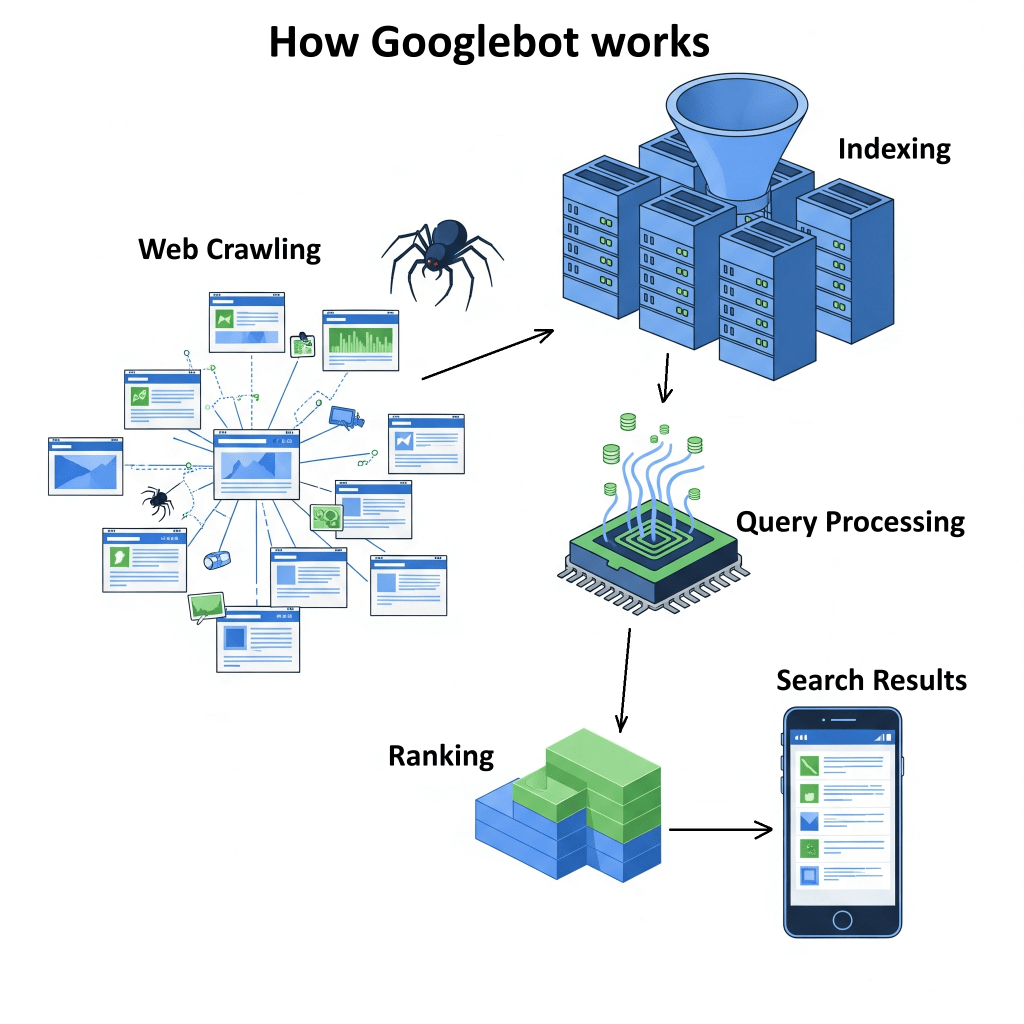
What we do know is that the whole thing involves a process of crawling the web, indexing content, processing queries, ranking results, and then showing you what you asked!

In this guide, I’ll break down some of the key ideas and important parts of Google’s algorithm that influence what pops up in your search results.

What Is Google Search?

This is a search engine that runs on clever software called web crawlers, with the main one being Googlebot.

These crawlers go all over the web, finding new and updated pages to add to Google’s huge index.

Every day, Google handles more than 8.5 billion searches, which really shows off how fast and scalable it is.

The whole thing is runs on some heavy tech, using:

  • distributed computing
  • advanced web crawling tricks
  • detailed indexing
  • complex ranking algorithms, and AI

The setup behind Google Search is spread out all over the globe, with data centers placed in various locations to keep things quick for users.

This system uses a technique called index sharding, whereby the huge database is broken into chunks across several servers. This makes it possible for it to handle all that massive data efficiently.

Google’s Search index is often called “the world’s biggest library,” and it’s not just because of how big it is….it’s also highly dynamic.

Think about it: organizing and keeping up with all that information from “hundreds of billions of webpages” is no small feat!

The huge scale of it all, along with the never-ending stream of new and updated content, really calls for some cutting-edge, distributed computing power and a solid dose of artificial intelligence and machine learning.

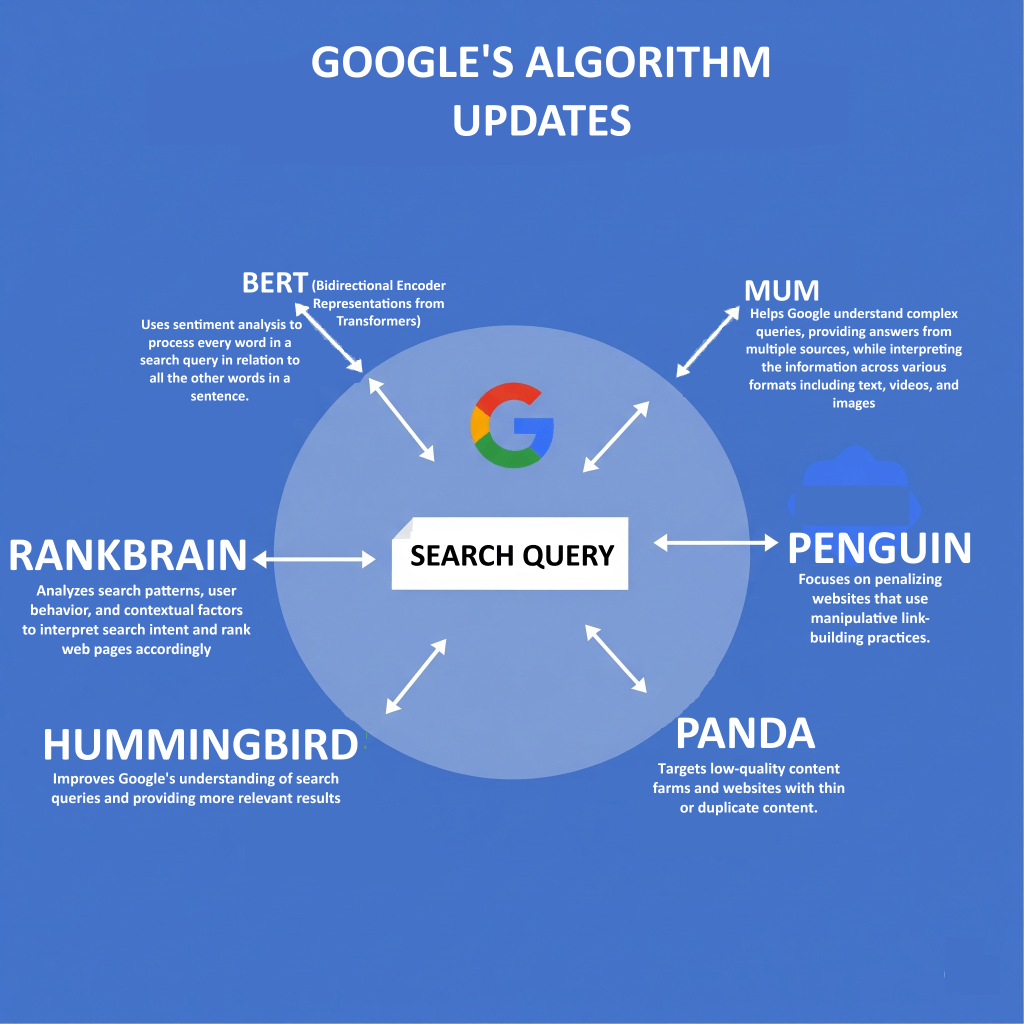
Models like BERT, RankBrain, and MUM are the key pieces that help Google keep up with and make sense of all the information.

We will get to those later…

1. Crawling

Google Search starts with crawling, which is basically the process of finding web pages.

The whole process of crawling is done automatically by some nifty software programs called web crawlers…with Googlebot being the main one.

What Is Googlebot?

Googlebot is like a digital spider that crawls the internet, looking for new and updated pages to add to Google’s index.

It discovers pages in two ways:

  1. By following links on pages it already knows about (like when Googlebot finds a link from a category page to a new blog post)
  2. By checking out sitemaps that website owners have turned in.

Googlebot uses a clever process to decide which sites to visit, how often to swing by, and how many pages to grab from each site.

It usually favours sites that get updated a lot and those that are considered authoritative.

How Links, Sitemaps, and robots.txt Work Together

Crawlers are designed to chase after “dofollow” links, which play a huge role in finding new content and sharing something known as “link juice”.

As a webmaster, you can help Googlebot find your content quicker by submitting sitemaps into the Search Engine Console.

By acting as a guide that maps out your website’s structure, sitemaps make it easier for the crawlers to do their thing.

On the flip side, if you don’t want Googlebot snooping around your website, you can use robots.txt files, to keep things under wraps.

A robots.txt file is like a traffic cop for your website, letting owners say, “Hey Googlebot, you can’t check out these files or pages”.

Google has made some fire upgrades to how it crawls the web, especially when it comes to rendering web pages.

During a crawl, Google triggers a recent version of Chrome and runs any JavaScript it stumbles upon.

It does this because a lot of modern websites use JavaScript to load content on the fly and without the ability to load Javascript, Googlebot might miss out on some of the page’s features.

In other words, it won’t really get the full picture of how relevant or good a page is, and not index that page.

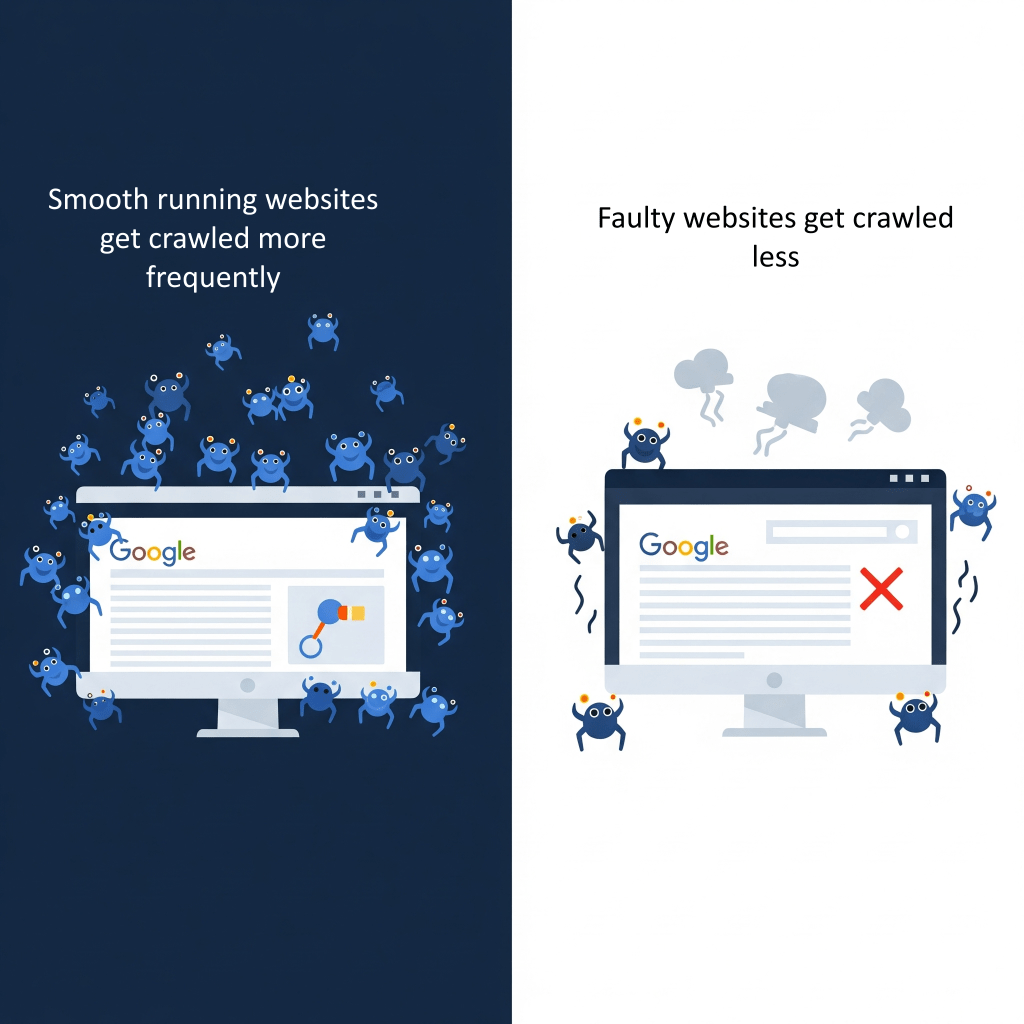
Also, Googlebot has to be careful not to request too much from websites. If it does, it might bog down servers.

To prevent this, it tunes how fast it crawls based on how the site is responding…

For example, if it runs into HTTP 500 errors (those pesky server issues), it gets the hint to take it easy with the requests.

Plus, crawlers have something called a “crawl budget,” which is like a cap on how many pages they’ll check out and index on a site during a certain time frame.

Googlebot really has to manage its “crawl budget” carefully, so as not to crash sites, that are on the edge of breaking down.

It’s tries to find that sweet spot between grabbing all the data it needs and keeping the website running smoothly.

A website that runs smoothly, with few server hiccups and quick loading times, is more likely to get a bigger “budget,”

In other words, well optimized websites, get crawled more often and more deeply!

On the flip side, a site that’s not pulling its weight might see its “budget” drop…

..leading to updates happening less often in Google’s index…

..leading to stifled visibility in search results…

2. Indexing

After Google finishes crawling, it jumps into figuring out and sorting out the massive amount of info it finds on the web.

An index is basically a giant database spread over tons of computers and is optimized to give quick answers to search queries.

By diving deep into the content, Googlebot can skim through the text, picking out important details like <title> tags and alt text for images, and even looking at the images and videos.

For images, Googlebot grabs the image’s URL, the text nearby, its alt tags, and some other vital details.

What Is Canonicalization?

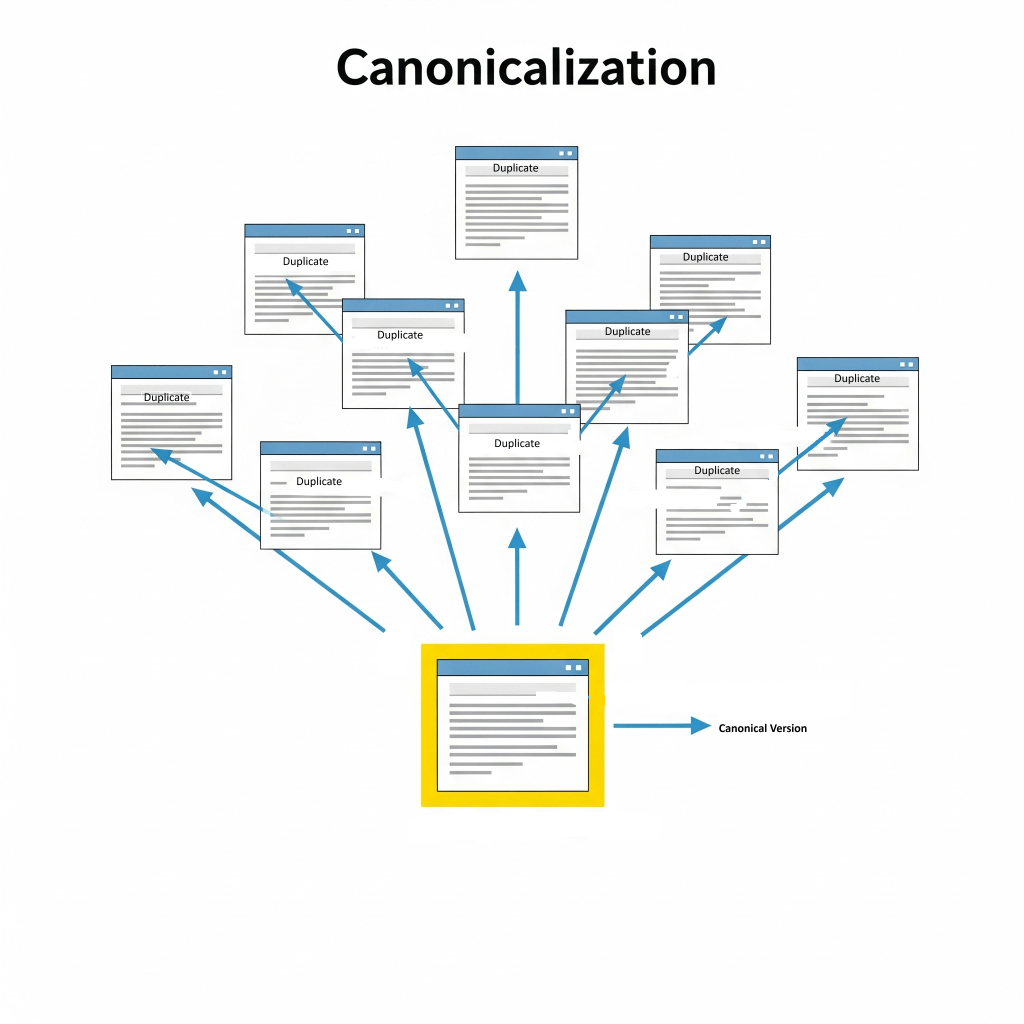
A big part of how Google indexes pages is dealing with duplicate content.

Basically, Google looks at pages on the web that have similar information and groups them together, which they call clusters.

From that group, they pick one page to be the “canonical” version, meaning it’s the one they think represents the best.

This helps avoid those annoying situations where you see the same or very similar content showing up over and over in search results.

The information about each canonical page and its cluster gets stored in Google’s index.

Google’s setup for this includes:

  • Colossus for file storage
  • NoSQL databases like Bigtable for compressing and storing data efficiently
  • MapReduce to handle big datasets in parallel

Note that, not every page Google checks ends up getting indexed; it really depends on how good the content and its metadata are.

What is Natural Language Processing (NLP)?

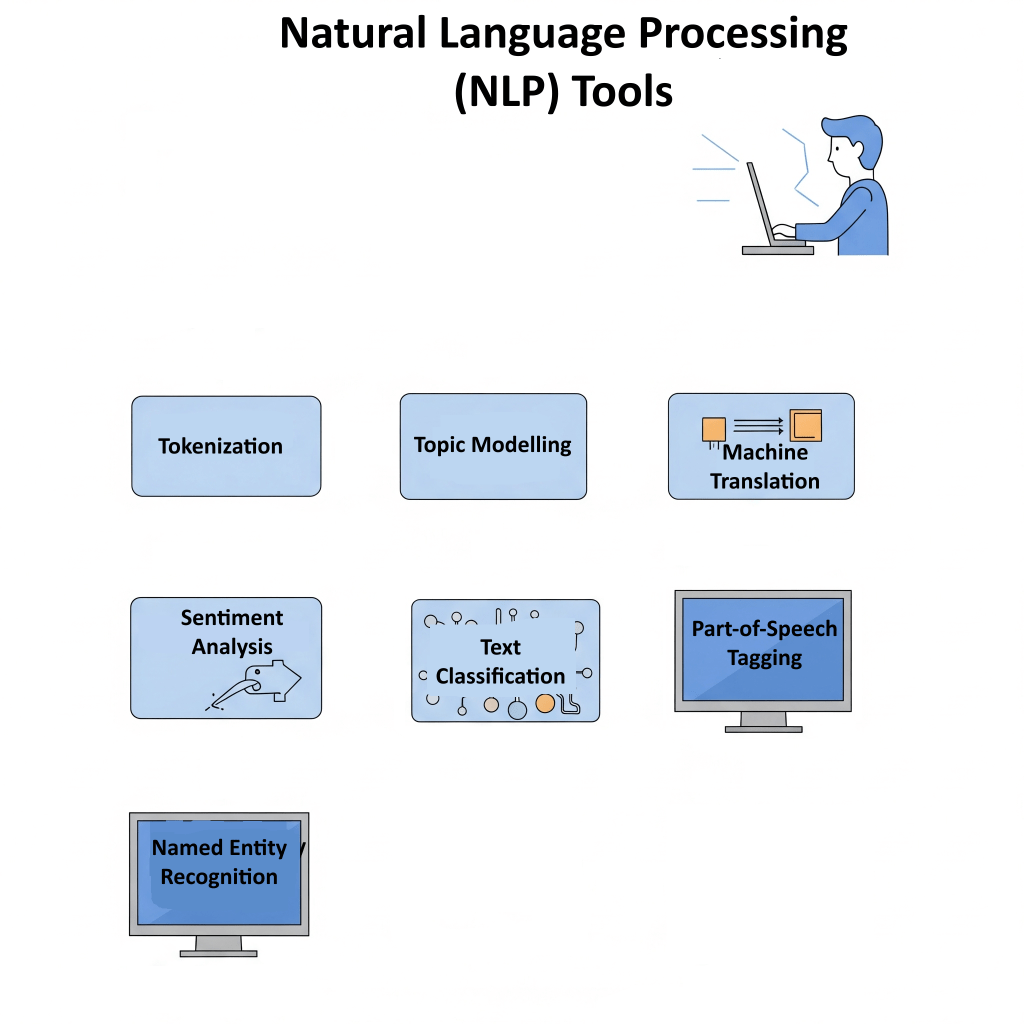
Indexing involves Natural Language Processing (NLP) to dig into the real meaning behind the content and really get the gist of things.

Think of it as the ability to understand that “car” and “automobile” are just different ways to say the same thing, spotting specific names (like knowing “Tesla” is a car brand, not just a scientist), and really getting the overall meaning of the text.

For example, when a webpage talks about “AI-powered search engines,” Google’s ability to understand semantics might also link it to things like “machine learning in search” or “smart search engines.”

As you can see, Google’s algorithm isn’t just about storing random words anymore…

it’s really trying to get what the meaning and connections are between ideas in the content.

This smarter understanding has a big impact on how pages get ranked these days.

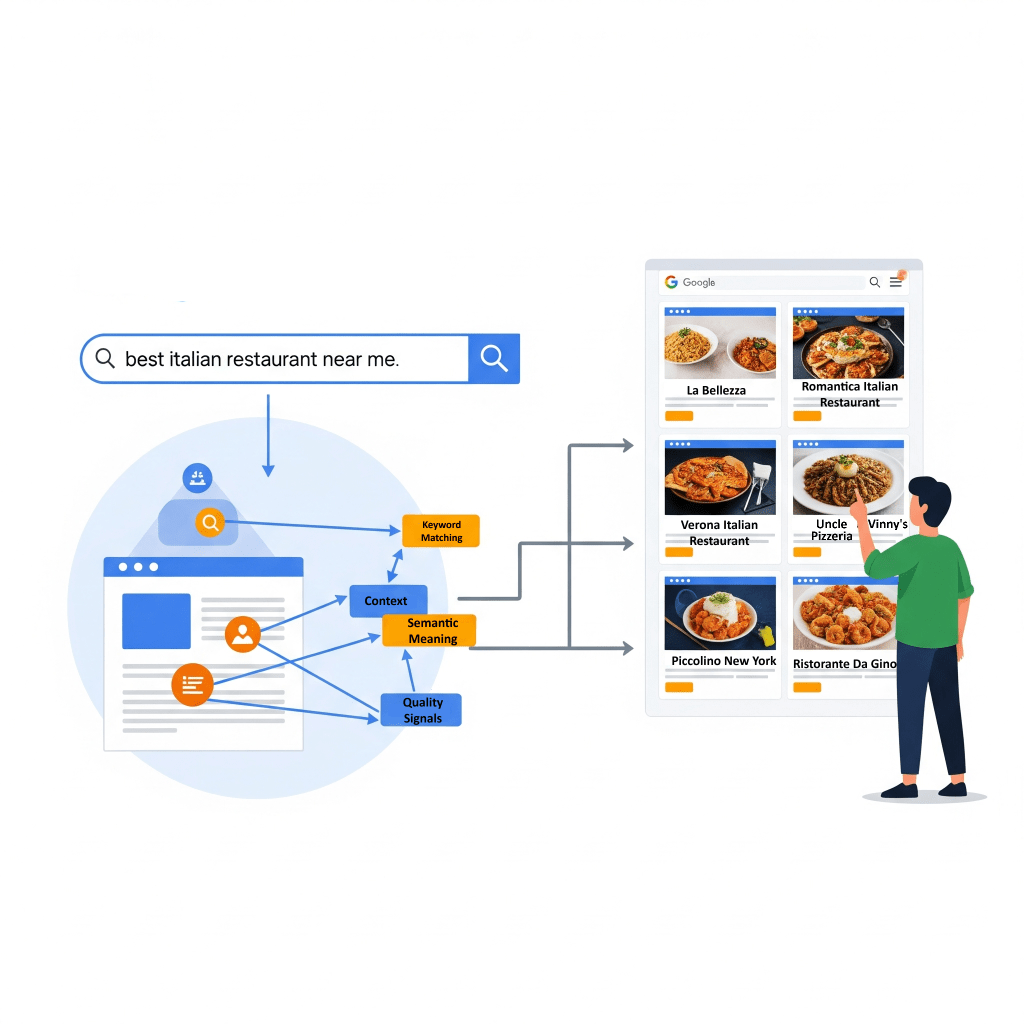
When Google figures out what a page is really about and the context behind it, it can better connect it to what a user is searching for, even if the exact keywords aren’t in the query.

Table 1: Google Search Algorithm

3. Query Processing

When someone types in a search, Google’s algorithm kicks into gear, diving into detective mode to understand what they’re really looking for.

The system begins by interpreting the raw search query, automatically correcting spellings, such as transforming “gogle” into “Google,” to ensure the query is accurately understood.

It also extends to recognizing synonyms and related terms, understanding that “car” and “automobile” refer to the same concept.

Furthermore, Google’s algorithms are capable of entity recognition, which allows them to identify specific entities within a query, distinguishing, for example, “Tesla” as a company from “Tesla” as a scientist.

The Role of Advanced AI Models: BERT, RankBrain, and MUM in Understanding Search Queries

BERT, which stands for Bidirectional Encoder Representations from Transformers, is a neat AI tool that helps Google get how different word combinations can mean different things and show what people really want in their searches.

When it first dropped, BERT changed about 10% of searches, proving just how much it helps with understanding context.

RankBrain is another AI system for Google that figures out how words are related, which means it can pull up relevant content even if doesn’t contain the exact words used in the search query.

Lately, we’ve got MUM (Multitask Unified Model) stepping into the spotlight, and it’s brilliant because it can handle all sorts of info—text, images, videos—and even different languages to give users better answers for those tricky questions.

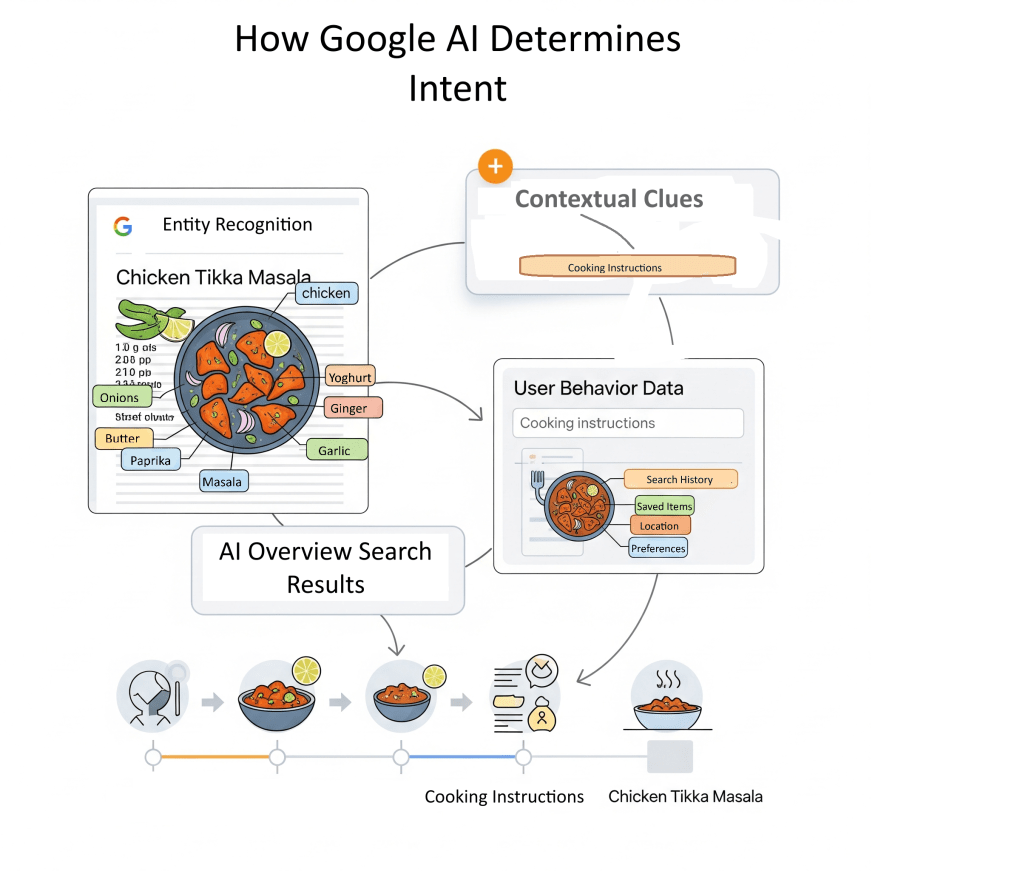
Apart from AI Models, Google figures out what you’re looking for based on a bunch of contextual signals, such as keywords, Language localisation and current events.

The words you use are like little hints; for example, if you type in “cooking” or “pictures,” it gets that you’re after some recipes or images.

The language you use also matters—a search in French will mostly pull up French content.

Plus, they pay close attention to where you are….

..so, if you search for “pizza,” you’ll usually get options for places nearby that deliver.

And when it comes to hot topics, like sports scores or company earnings, the algorithm makes sure to show you the latest info out there.

The shift from just matching keywords to using fancy AI models like BERT, RankBrain, and MUM for processing search queries is a big game-changer for Google.

It shows that Google is getting better at picking up on the nuances and intent behind what people are really asking, instead of just taking words at face value.

This means that the old trick of cramming a bunch of keywords into your content to boost rankings isn’t going to cut it anymore.

Nowadays, you need to focus on creating content that’s genuinely useful and meaningful, really hitting those key points that users care about, because Google’s algorithms are now pretty good at figuring out what really matters.

4. Ranking

Once Google gets what the user is asking for, it dives into the ranking stage, sifting through its huge index to find and show the best, most useful and most relevant results, in a blink of an eye!

Relevancy comes from hundreds of factors, and how much each one matters can change based on what you’re searching for…

What Are Google’s Top Ranking Factors?

Google uses a bunch of smart signals to figure out what order to show search results in:

1.) Content Quality

The algorithm puts content that are helpful first above all!

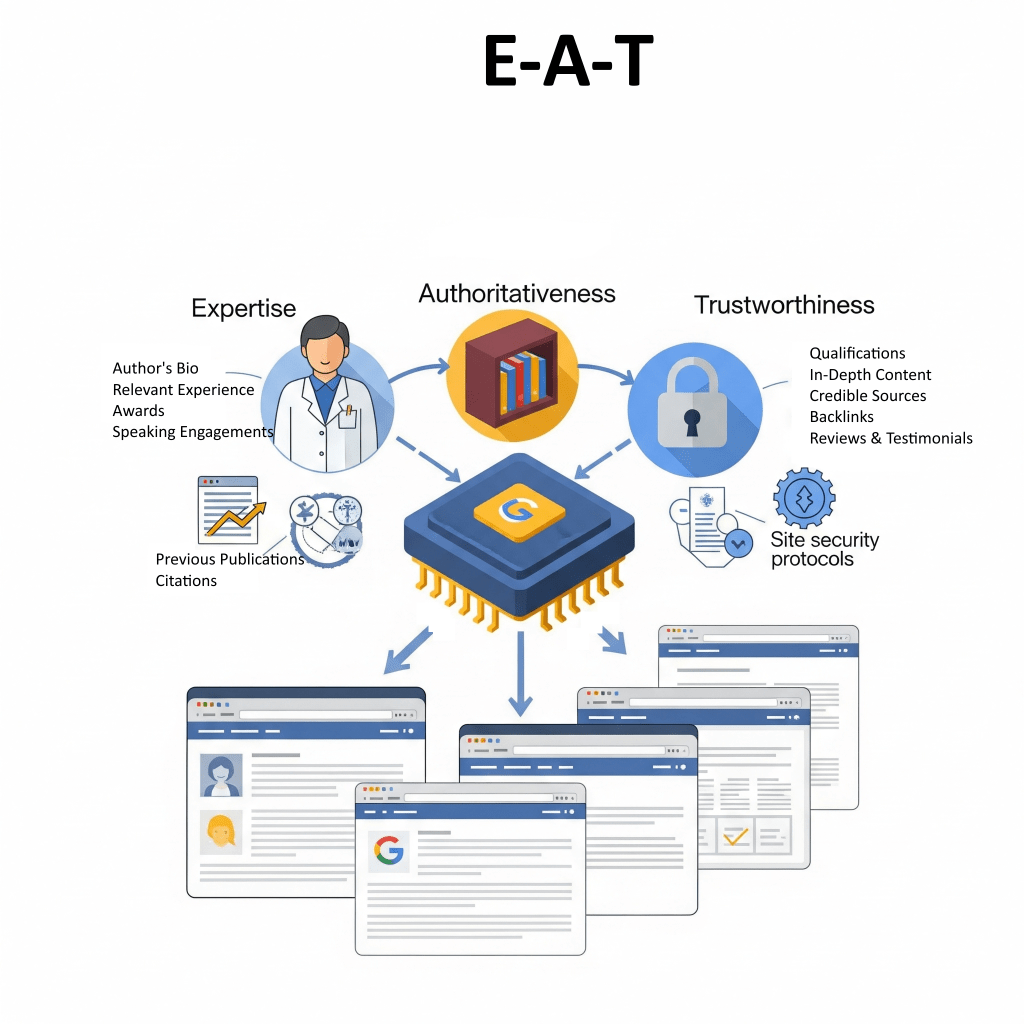
It looks for signals that show Expertise, Authoritativeness, and Trustworthiness (E-A-T).

E-A-T is really important for “Your Money or Your Life” (YMYL) content, which covers touchy subjects like health or money matters.

On the flip side, if content is low-quality, it usually means there wasn’t much effort put in, it’s not original, or it lacks skill—think inaccuracies or just plain “filler” content.

While Expertise, Authoritativeness, and Trustworthiness (E-A-T) are usually talked about as tips for folks rating content, research shows they actually have a big impact on Google’s algorithms.

The concept of E-A-T is aided by human evaluators who provide data that feeds into Google’s machine-learning ranking systems to make them better.

If you’re creating content, keep E-A-T in mind as a key idea for everything you post, since it has a direct impact on how Google’s AI figures out what high-quality info to highlight.

Having top-notch backlinks from trustworthy sources makes all the difference when it comes to showing that you’re credible and trustworthy.

2.) Relevance

When it comes to search results, it really matters how well the content actually matches what someone is looking for.

It’s not just about matching keywords anymore…

Now, the algorithms check if a page has all sorts of relevant materials besides the keywords..

For example, if you search for “dogs,” it might show cute dog pics, videos, or lists of breeds rather than pages that just have the word “dogs” repeated everywhere.

The importance of getting what people really want to know—whether it’s about finding a place,(commercial intent) learning something new, (Informational intent) or making a purchase (Transactional intent)—can’t be stressed enough.

Keeping things up to date is also important, especially when it comes to stuff like current events. Google tends to give a boost to fresh content so that users get the latest scoop.

3.) Page Experience

This part is all about keeping users happy!

It looks at things like how friendly your site is on mobile, how fast it loads, and whether it uses HTTPS for security.

Key metrics like:

  • Largest Contentful Paint (LCP) for how quickly things pop up,
  • Interaction To Next Paint (INP) for how interactive the site feels,
  • Cumulative Layout Shift (CLS) for keeping things looking nice and steady are super important.

These help measure how real users experience your site and fit right in with what Google looks at for rankings.

4.) Engagement Metrics

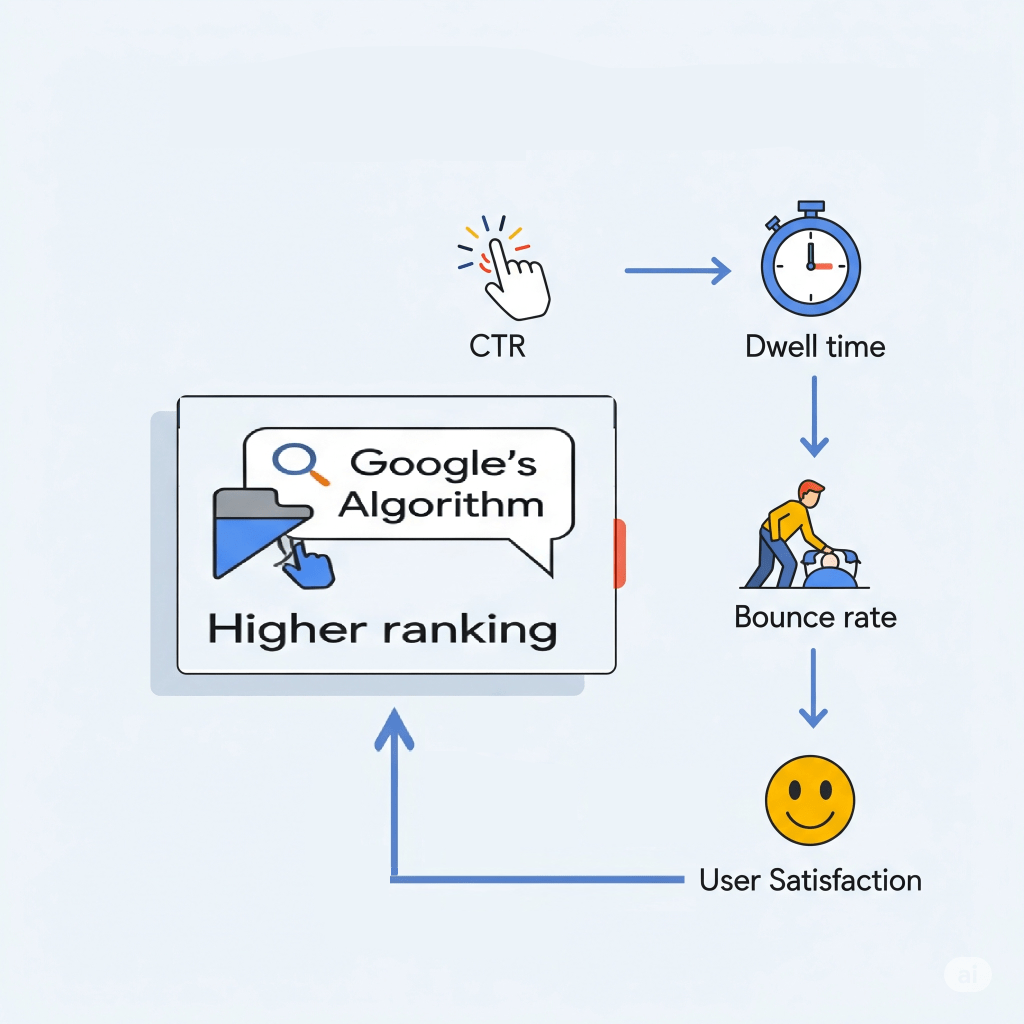
Things like your click-through rate (CTR), bounce rate, and how long folks hang out on your page can totally impact your rankings as well.

When Google collects and analyzes all that user interaction data (keeping it anonymous, of course), it helps their smart systems get a better handle on what type of content really matters.

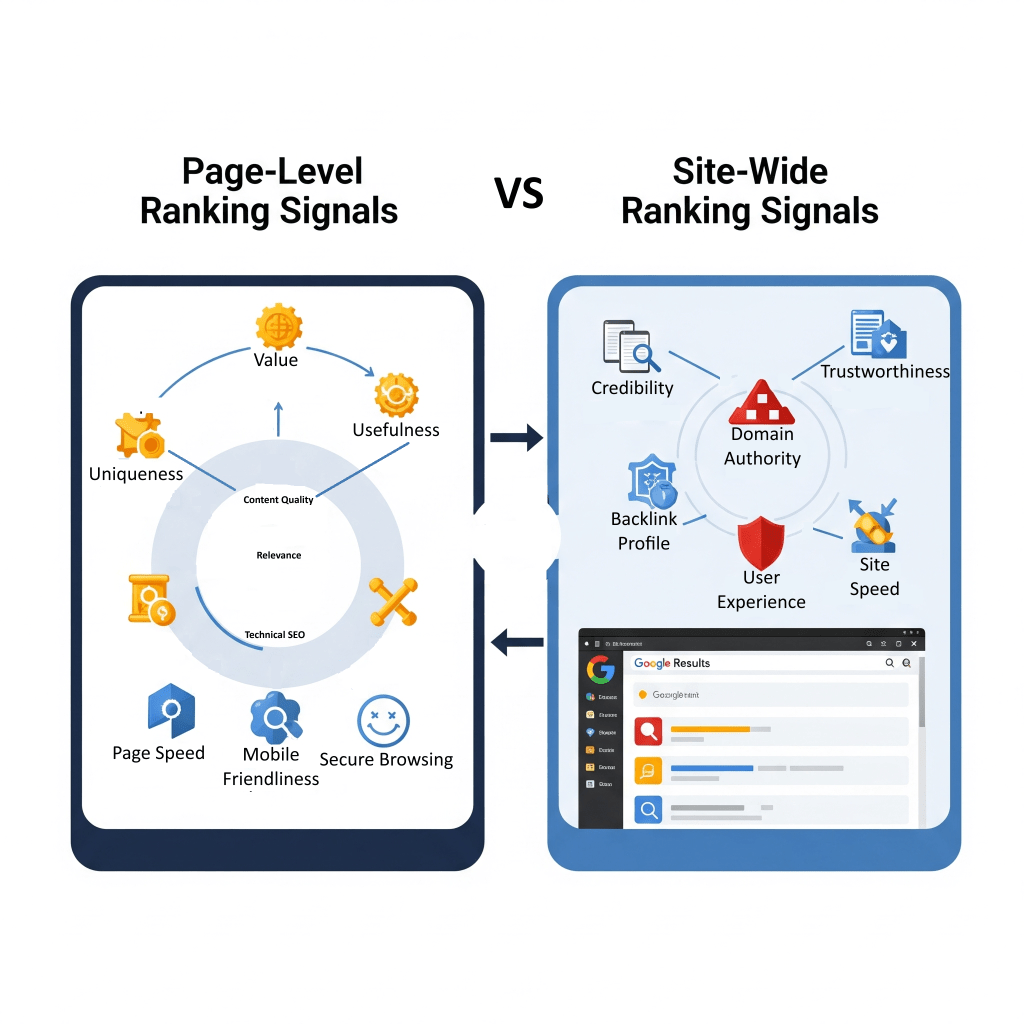
Page-Level Vs Site-Wide Ranking Signals

Google’s ranking systems usually works on a page-by-page basis, using a bunch of different signals to figure out where each page should land in the rankings.

But what if a website happens to have one good page, out of a hundred crappy ones?

This is where site-wide signals and classifications come into play… by helping Google get a better grip on the site as a whole.

Google’s “helpful content system” can affect the rankings of an entire site, not just a single page, especially if the site is mostly churning out content that’s not really helpful but just aimed at tricking search engines.

Table 2: Key Google Ranking Factors and Their Impact

5. Search Results

The last stage of Google’s algorithm is all about getting search results to you extra fast, mixing things up and making it pretty personalized just for you.

Once the ranking process wraps up, the results are snagged from Google’s speedy data centers around the world and shown to you in just a blink.

This mind-blowing speed comes thanks to an impressive infrastructure that handles quick data access and delivery.

Key players include:

  • Google’s Content Delivery Network (CDN), which stores those results all over the globe to keep things fast;
  • Colossus, Google’s nifty distributed file system, makes sure info is pulled up quickly;
  • plus fancy Load Balancing & Sharding tricks that make handling requests smooth.
  • And let’s not forget Spanner, a global database in the mix, helping everything run like a well-oiled machine!

Google Algorithm Updates

Google’s algorithm isn’t stagnant; it’s always changing and adjusting to how the web works, constantly fighting against junk content and shady tactics.

Google often rolls out some pretty big changes to its search algorithms and systems, known as “core updates.”

These updates get announced on Google’s Search ranking updates page and are meant to keep the search engine serving up helpful and trustworthy results.

In 2022, for instance, Google made a whopping 4,725 tweaks to search, which breaks down to about 13 updates every single day, covering everything from ranking system tweaks to user interface changes, and a whole lot more.

Updates come in all sorts of shapes and sizes, and they include:

  • Core Updates: These are major changes that shake up how ranking systems see content on the web. This often means that rankings can go up and down. They aren’t aimed at any particular sites; instead, they change the way we look at overall content quality.
  • (Product) Reviews Updates: So, these updates started off just for product reviews, but now they cover all sorts of reviews like services, businesses, and destinations. The goal? To give a shout-out to those awesome, detailed, and original review contributions!
  • Helpful Content Updates: These updates, which are now available everywhere, boost Google’s ability to figure out content that actually helps people. They focus on “people-first” content that really meets what users are looking for, while giving less love to stuff made just to rank higher in search results.
  • Page Experience Updates: So, these updates are all about mixing in stuff like Core Web Vitals (you know, LCP, FID/INP, CLS), keeping things safe with HTTPS, and making sure everything looks good on mobile when it comes to rankings.
  • Search Spam Updates: These updates are all about cracking down on sneaky tactics, making sure Google gets better at spotting different types of spam in all kinds of languages.

Major historical updates show how this evolution has unfolded over time:

Categories
News SEO

Google Updates Content Blocking for AI Overviews

Google just dropped an update in their docs on how content creators can keep their content from showing up in AI overviews.

This move comes at a time when content creators are continuously finding new ways to navigate the evolving space of AI-powered search results and control its impact on website traffic.

The updated guidance basically breaks down the troubleshooting steps for those that have implemented anti-AI preview controls but are still seeing their content show up in AI the overview section.

It’s a move that shows Google is stepping up their game to help creators handle the nuances of AI integration in search.

The search giant is making it easier for everyone to understand what they need to do to control how their content appears on their tool.

Key takeaways from the updated documentation include:

  • Preview Controls Verification: Google really wants you to make sure that your preview controls (like meta name="robots" content="nosnippet" or data-nosnippet) are set up right and that Googlebot can see them. So make good use of the URL Inspection tool in Google Search Console; it’s super helpful for confirming everything’s working as it should!
  • Recrawling Reminder: Just a heads up, if you change things in your preview controls, it might take a while to see those updates — anywhere from a few days to a couple of months, depending on when Google decides to recrawl. The good news is, if you ask for a recrawl in Search Console, it might speed things up a bit!
  • Community Support: If you’re running into some tough issues with your website, Google suggests checking out the Google Search Central Help Community. It’s a great place to team up with other webmasters, content writers, publishers etc. and figure things out together!

This update highlights the constant interaction happening between Google and webmasters about using web content for those AI-generated summaries.

How to Turn Off Google AI for Searches?

As you might already know, it’s impossible to completely get rid of Google’s AI Overviews.

But you can definitely make them appear less often or switch back to the old-school search view, where you only see links.

The easiest way to get around AI overviews is by hitting the “Web” tab in Google Search results—this lets you see regular links without the AI BS.

Here’s how:

  • When you do a Google search, the results page shows a bunch of tabs like “All,” “Images,” “News,” and more.
  • Locate the “Web” tab (you may need to scroll horizontally to find it).
  • Clicking the “Web” tab will display the traditional search results, effectively bypassing the AI Overview. 
Screenshot of a Google search results page with an AI Overview section highlighting availability of 'Love Island' on Netflix and a 'Web' tab highlighted.
Screenshot of Google search results showing the option to switch to the ‘Web’ tab, bypassing AI Overviews for a traditional search experience.

If you want, you can also switch up your browser to something like Firefox or Safari, since they don’t show AI Overviews (yet).

If you get really creative with your search terms or make them super specific, it might help you steer clear of those AI overviews.

There are tons of browser extensions out there that can help you block or hide those AI Overviews. Some of the best ones to choose include:

  • “Hide Google AI Overviews”
  • “Disable AI Overview”
  • “Bye Bye, Google AI”

Whichever one you choose, just make sure you do your homework and only pick ones from trusted sources to steer clear of any security headaches.

How To Block Google From Using Your Content To Train AI

Google says its AI Overviews and AI Mode are meant to deliver quick, helpful answers and point people to various relevant sources, but it seems like that sentiment isn’t shared by everyone.

Some creators are really stressing about all the fake info spewed by AI overviews, and don’t want their pages referenced on them, because it could damage their credibility.

For this reason, many add “NoAI” tags to the header of their pages or in the meta data, telling Google not to use their work to train AI models.

Just a heads up…if you block Google-Extended (that’s a crawler for some of Google’s AI products like Gemini), it’ll keep those bots from using your content to train their AI, but it won’t affect how your site shows up in regular Google Search or AI Overviews.

So if you really want to keep your content out of AI Overviews, you’ve got to block Googlebot from crawling those pages.

But!

That would also make your pages disappear from regular search results…

As you can see: finding that sweet spot between being seen and having complete control over your content can be tricky.

That’s why it’s super important for creators to find tools that can help them make smarter decisions about their web presence, as Google keeps updating its docs and changing the way search is done.

I’d advise you subscribe to my newsletter to keep up with the latest best practices for handling content in this ever-changing search world.

That way, you will be the first to know about any new information regarding Google, as they will be sent directly to your inbox regularly.

Categories
News SEO

AI Overviews Showing Recipes Without the Word “Recipe”

Google’s AI Overviews are rapidly transforming the search landscape, and a fascinating aspect of this shift is their ability to understand implicit user intent, particularly for recipe-related queries.

Gone are the days when you needed to explicitly type “chicken tikka masala recipe” to get cooking instructions. Now, AI Overviews can intelligently surface recipes even when the word “recipe” isn’t anywhere in your search query.

The Power of Implicit Understanding

This shift highlights the growing sophistication of Google’s AI, powered by advanced natural language processing and machine learning.

When you search for something like “chicken cordon bleu” or “healthy dinner ideas,” Google’s AI doesn’t just look for keywords; it analyzes the query’s context, common user behavior associated with such phrases, and the entities mentioned.

It understands that someone searching for a dish name is highly likely looking for a recipe, even if they don’t explicitly state it.

For example, a search for:

  • “chicken cordon bleu”
  • “easy weeknight pasta”
  • “vegetarian chili”

can now trigger an AI Overview that provides a summarized recipe, including ingredients and key steps, directly at the top of the search results.

This is a significant departure from traditional search results, which might have previously shown a list of articles or rich snippets that still required a click-through to find the actual recipe.

How it Works Behind the Scenes

Google’s AI models are trained on vast amounts of data, allowing them to recognize patterns that are suggestive of recipe intent even in less direct phrases.

This involves:

  • Entity Recognition: Identifying “chicken tikka masala” as a specific dish.
  • Contextual Clues: Understanding that “chicken tikka masala” often leads to a desire for cooking instructions.
  • User Behavior Data: Leveraging historical data on what users typically do after searching for similar queries. If a user usually searches for cooking instructions after

The “query fan-out” technique, described by Google, enables AI to perform several related searches across different topics and data sources, ensuring a complete response that meets user needs.

Why I Couldn’t Replicate AI Overviews Showing Recipes (Yet!)

I wanted to see this in action for myself, so I jumped into Google to try and replicate it.

I ran a series of searches for various dishes and food-related queries that, in theory, should trigger these AI-powered recipe overviews. My queries included phrases like:

  • “chicken cordon bleu”
  • “easy weeknight pasta”
  • “vegetarian chili”
  • “fluffy pancakes”
  • “homemade pizza dough”

However, after numerous attempts across different devices and browsers, I wasn’t able to consistently replicate an AI Overview showing a recipe for queries that didn’t explicitly include the word “recipe” or similar cooking-related terms.

Instead, what I primarily observed were:

  • Traditional search results: Links to recipe blogs, food websites, and cooking guides.
  • Rich snippets: Occasionally, a recipe rich snippet would appear, showing ratings, cook times, and ingredients, but this is a standard SERP feature, not an AI Overview.
  • Other AI Overview types: For broader informational queries, I sometimes saw AI Overviews summarizing general knowledge, but not specific recipes from implicit intent.

What Does This Mean?

My inability to replicate these results doesn’t mean Google isn’t doing it. Here are a few possibilities:

  1. Staged Rollout & Geographical Limitations: Google often rolls out new features gradually and to specific regions first. While the initial reports indicated wider availability, it’s possible the most advanced, implicit-intent recipe AI Overviews are still limited to certain users or locations. My location (Birmingham, UK) might not yet have the full rollout for this specific functionality.
  2. Dynamic AI Behavior: AI Overviews are constantly learning and adapting. Their appearance can be highly dynamic, influenced by real-time factors, query nuances, and even individual user history. What works one day might not work the next, or for different users.
  3. Specific Query Nuances: While I tried various queries, it’s possible the exact phrasing, or a very specific set of implicit signals, is required to trigger these particular AI Overviews.

The Takeaway for Users and Content Creators

Regardless of my replication challenges, the truth of the matter is: Google’s AI is evolving to understand user intent beyond simple keyword matching.

For users, this means a more efficient and direct search experience. They can get quick answers and a summarized recipe without needing to navigate through multiple websites.

This can be incredibly convenient for meal planning or quick cooking inspiration.

However, for recipe bloggers and content creators, this presents both challenges and opportunities:

  • Potential for Reduced Clicks: If an AI Overview sufficiently answers a user’s query, some users may not click through to the original website, potentially impacting organic traffic. This effect is currently observed more on desktop searches than on mobile.
  • Increased Visibility in AI Overviews: Conversely, if your content is comprehensive, authoritative, and well-structured, it increases your chances of being featured in these AI-generated summaries. Being cited as a source in an AI Overview can still drive brand awareness and, in some cases, clicks from users who want to explore further.

Adapting Your SEO Strategy

To thrive in this evolving search landscape, recipe content creators should consider:

  1. Focus on Comprehensive and Authoritative Content: Ensure your recipes are detailed, accurate, and provide real value. Google’s AI favors credible and reliable sources.
  2. Optimize for Implicit Intent: Think beyond exact keywords. Consider what related phrases or dish names users might search for when looking for a recipe.
  3. Structure Your Content Clearly: Use clear headings, bullet points, and structured data (like Recipe schema) to make it easier for AI to extract and summarize your content.
  4. Emphasize E-E-A-T (Experience, Expertise, Authoritativeness, Trustworthiness): Build your site’s reputation by demonstrating expertise in your niche, citing reputable sources, and providing first-hand experience.
  5. Monitor Performance: While direct tracking for AI Overviews in Google Search Console is still evolving, keep an eye on your overall organic traffic and adapt your strategy as needed.

By understanding how these overviews work and adapting your content strategy accordingly, you can continue to reach your audience and provide valuable information in this new era of search.

My personal experiment has only reinforced the idea that SEO in the age of AI requires a deep understanding of user needs and a commitment to creating highly valuable, well-structured content.

We might not always see the exact AI Overview we expect, but by optimizing for genuine intent, we’re building a future-proof strategy.

Have you been able to replicate AI Overviews showing recipes from implicit queries? Share your experiences in the comments below!