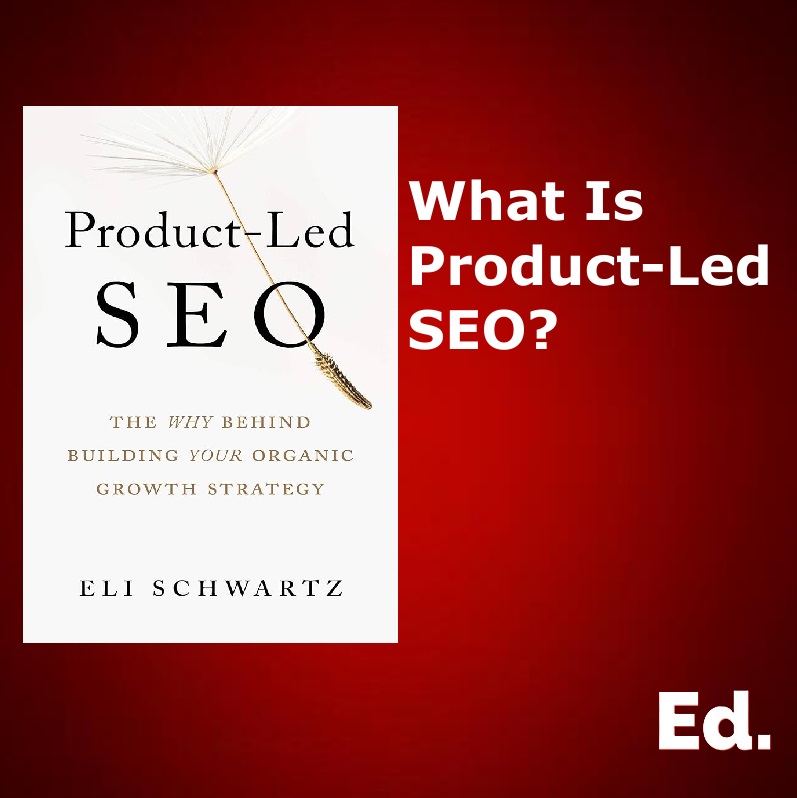
Product-Led SEO is a concept introduced by Eli Schwartz in his book, Product-Led SEO: The Why Behind Building Your Organic Growth Strategy.
The book offers a strategic guide that challenges the traditional, keyword-obsessed approach to Search Engine Optimization.
Instead of chasing algorithms or high-volume keywords, Schwartz argues for a “product-led” approach.
He suggests building a high-quality product that inherently solves user problems, thereby generating its own search demand and organic growth.
Here is a detailed summary of the book, organized by its core philosophy, key concepts, and a chapter-by-chapter breakdown.
What is Product-Led SEO?
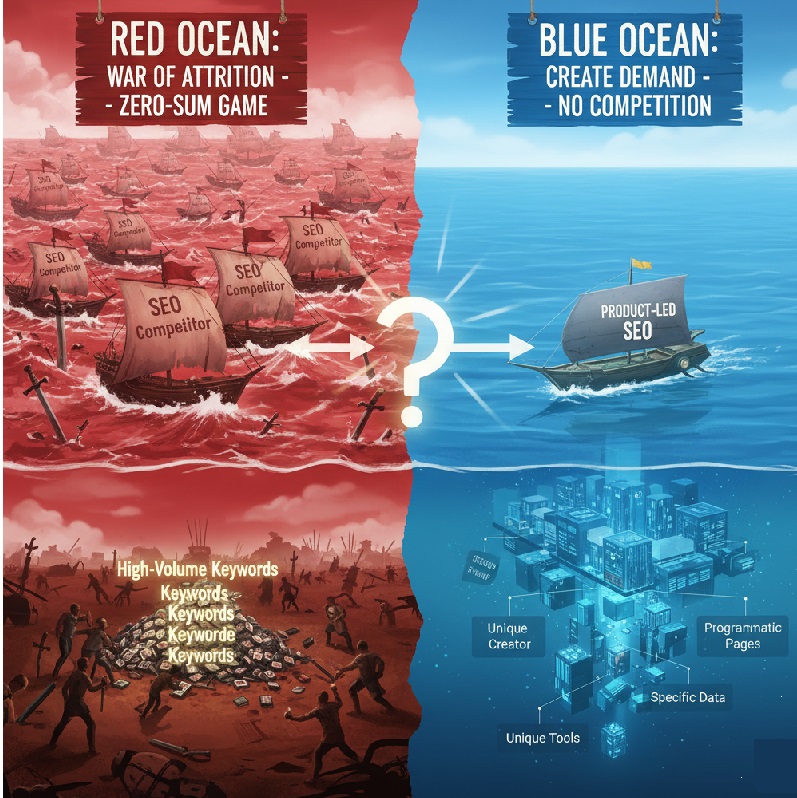
The central thesis of the book relies on the economic concept of “Red Ocean” vs. “Blue Ocean” strategies.
Traditional SEO (Red Ocean) is a “bloody” war of attrition where competitors fight over the same finite set of high-volume keywords.
It is a zero-sum game where you write content solely to rank, often resulting in commoditized, low-value pages.
Product-Led SEO, on the other hand, is a Blue Ocean that creates new demand or captures untapped demand.
By building a product that users naturally search for (e.g., specific data, programmatic pages, unique tools), you create a “Blue Ocean” where you have no direct competition.
You aren’t fighting for a keyword; you are the answer to a specific user intent.
The Golden Rule:
Build for the user first, and the search engine second. If a page doesn’t have a reason to exist for a human user, it shouldn’t exist for a bot.
One of the key concepts of the book is the difference between Product-Led SEO and Marketing-Led SEO.
Where marketing Led SEO might lead to a statement like…
“I need to rank for ‘best credit card’, so I will write a 2,000 word blog post”,
An SEO with Product LEd mindset might say…
“I have a database of every credit card’s fees and interest rates. I will build a comparison engine that generates a unique page for every card and every comparison combination (e.g., ‘Visa vs. Amex’).”
The former is a manual, unscalable and highly competitive process, while the latter is scalable, programmatic and high-utility
Schwartz adapts the product management RICE framework to help SEOs prioritize tasks that actually move the needle, rather than just “fixing errors.”
R (Reach): How many pages or users will this change affect?
I (Impact): Will this significantly increase revenue/traffic, or just marginally?
C (Confidence): How sure are we that this will work? (Do we have data?)
E (Effort): How many engineering hours will this take?
A major pillar of Product-Led SEO is using data to generate thousands of high-value pages automatically.
Examples: Zillow (a page for every address), TripAdvisor (a page for every hotel/city combo), LinkedIn (a public profile for every user).
Why it works: It targets “long-tail” queries (highly specific searches) which have lower volume individually but massive aggregate volume and higher conversion intent.
Phase I: The Strategic Foundation
Introduction & Chapter 1: Why Traditional SEO is a Red Ocean
Schwartz opens by explaining that “best practices” are often myths.
Following the same checklist as your competitors (H1 tags, keyword density) only guarantees mediocrity.
He introduces the concept that SEO should be a strategic function, not just a tactical marketing task.
Chapter 2: Defining Product-Led SEO
This chapter defines the methodology needed for a successful implementation of Product-Led SEO.
The product itself being the driver of search traffic, success demands deep collaboration between SEOs, product managers, and engineers.
The goal is to build “SEO features” (like reviews, directories, or calculators) rather than just “SEO content” (blog posts).
Chapter 3: Audience and Intent First
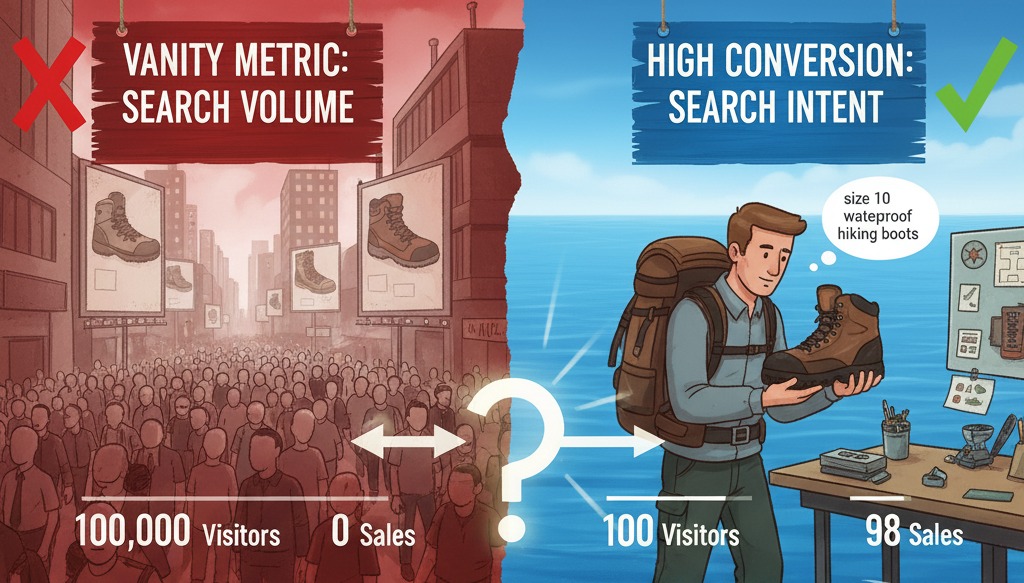
Schwartz argues that Search Volume is a vanity metric. You should focus on Search Intent instead.
Example: Ranking #1 for “shoes” (high volume) might bring 100,000 visitors but 0 sales if they are looking for pictures of shoes. Ranking #1 for “size 10 waterproof hiking boots” (low volume) will drive high conversion.
He urges readers to ignore keyword tools initially and instead talk to customers to understand their actual problems.
Phase II: Execution and Integration
Chapter 4: Building SEO into Product Development
SEO cannot be an afterthought applied after the code is shipped. It must be baked into the product roadmap.
This chapter details how to “sell” SEO to engineers and product leaders by speaking their language (growth, user acquisition, scalability) rather than SEO jargon (canonical tags, crawl budget).
Chapter 5: Scaling SEO Without Traditional Tactics
This chapter dives into Programmatic SEO. Schwartz explains how to leverage internal proprietary data or public datasets to create massive scale.
Key point: You don’t need to write the content; your users or your data should write it for you. (e.g., User-Generated Content like reviews or Q&A sections).
Chapter 6: Measuring SEO Success
Stop reporting on rankings. Rankings are volatile and personalized.
The Better Metric: Organic Traffic and Revenue.
The North Star: “Incremental Lift.” If you turn off SEO efforts, what happens? Measure the business impact of search, not just the position on Google.
Phase III: Advanced Strategy
Chapter 7: Building Authority & Content
While programmatic is key, brand authority still matters. This chapter covers how to create “Strategic Content” that earns backlinks naturally because it is useful/novel, rather than begging for links.
Chapter 8: The Company and SEO (Organizational Buy-In)
How to structure an SEO team. Schwartz advises against burying SEO under “Marketing.”
It often belongs closer to “Product” or “Engineering” in a product-led organization.
He also discusses how to hire SEOs who are strategic thinkers, not just checklist-followers.
Chapter 9: Global Expansion (International SEO)
Just translating keywords doesn’t work because search behavior differs by culture.
Example: A “sale” in the US might be a “promotion” in the UK.
You must understand the local intent and competition (Blue Ocean) in each new market.
Is Product-led SEO The Future of Search?
Schwartz concludes that algorithms change daily, but user behavior changes slowly. If you focus on the user, you are “algorithm-proof.”
Actionable Takeaways for You
If you want to apply Product-Led SEO to your business today:
Stop “Keyword Research”: Start with “Customer Research.” Ask your sales/support teams what questions customers actually ask, and build pages that answer those specific questions.
Audit Your “Zombie” Pages: Look for pages on your site that have no traffic and no clear user utility. Delete or merge them. Quality > Quantity.
Identify Your Data Assets: Do you have proprietary data? (e.g., pricing trends, user reviews, location data). Can you turn this into thousands of unique, helpful landing pages?
Use the RICE Score: Next time you want to request an SEO fix from your dev team, calculate its Reach, Impact, Confidence, and Effort to justify the request.
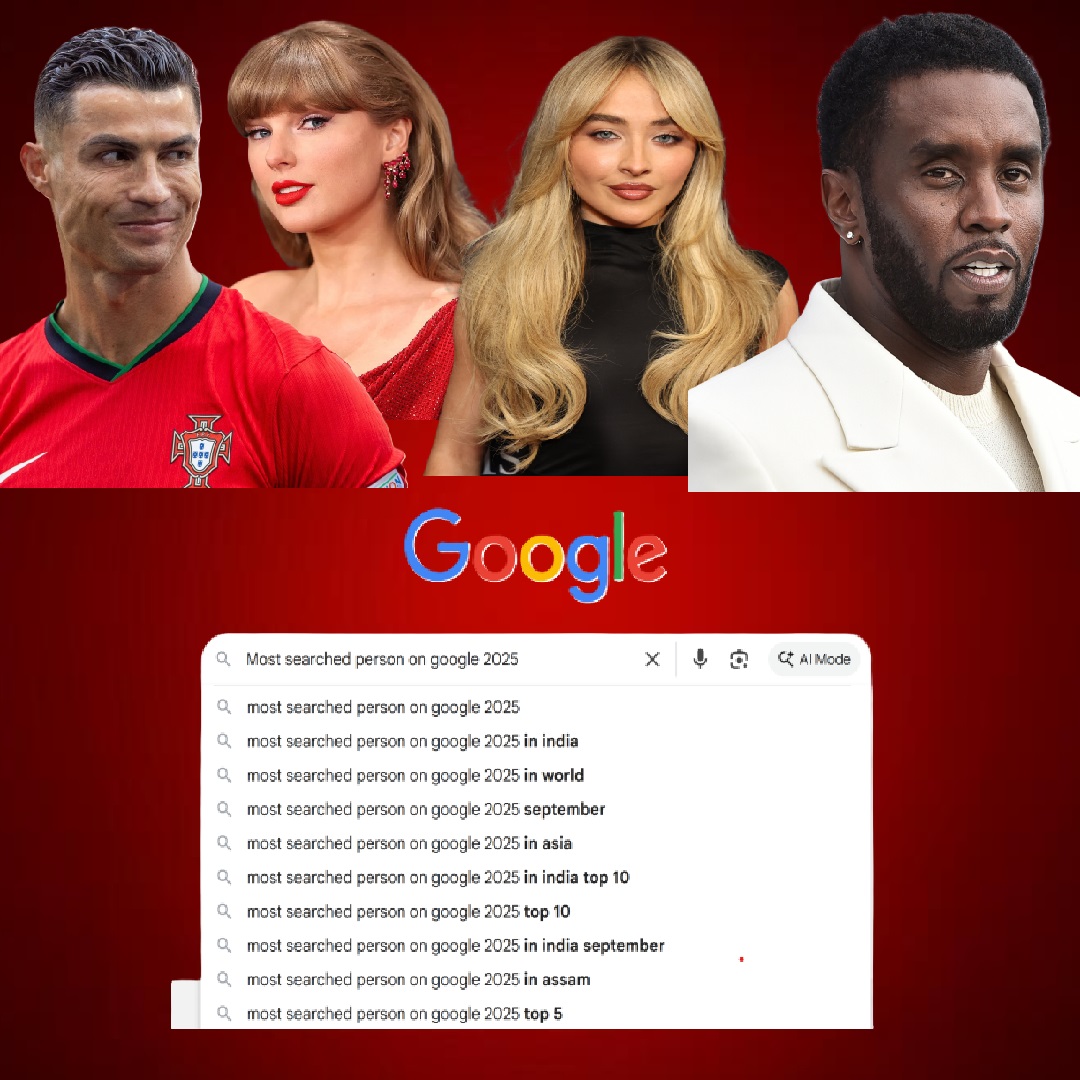
As any SEO professional who has earned his/her stripes knows…online buzz is not a thing of luck; it’s a crazy mix of technical work and media coverage.
Celebrities are the perfect examples of how widespread attention on the web can be built by such combination.
When an artist releases a new a new album or major film, this acts as a Pillar content which generates strong and sustainable search interest.
When Taylor Swift releases a new album, keywords like “Taylor Swift Eras Tour outfit cost” or “Ariana Grande ‘Wicked’ vocal analysis.” get searched by fans globally.
Fans spend hours, weeks, months, exploring search engines, looking for information about their favorite stars and their latest projects, creating high traffic opportunities.
They are basically the catalyst of every gossip blogger’s wet dream!
The celebs on this list often dominate search not just for their artistic work, but for their off-screen presence and fashion choices as well.
A significant portion of their search cache comes from Google Image Search, showing just how effective detailed, keyword-rich alt text can be in building online buzz.
While global politics (specifically, figures like Donald Trump and Elon Musk) tends to command the highest overall search volume, I’ve chosen to focus purely on entertainment and pop culture figures as they reveal the true drivers of celebrity SEO.
The rankings are based on aggregated global search volume, focusing on sustained popularity throughout the year.
By analyzing why they trend, I’m attempting to lay out the keyword strategies that drive global dominance and present a blueprint for maximizing celebrity-focused traffic in 2025.
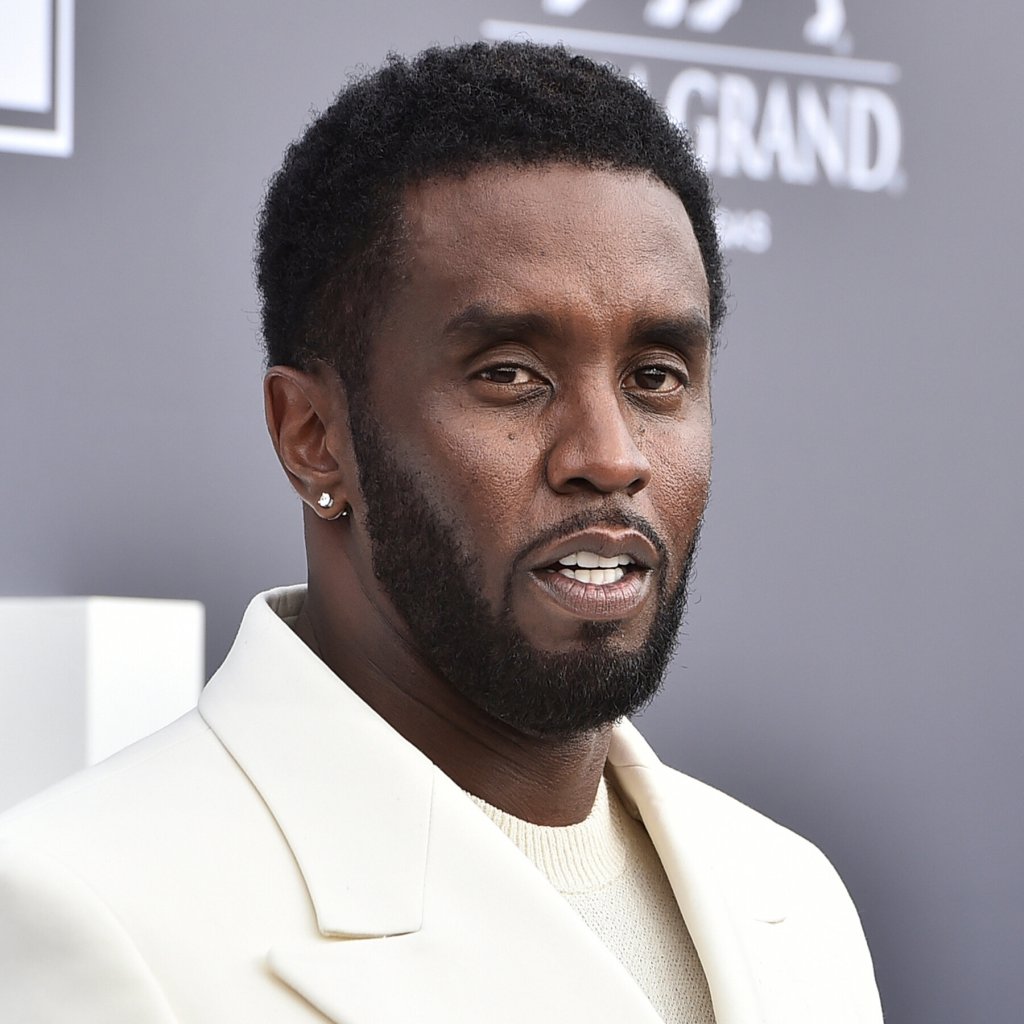
10. Diddy
Sean “Diddy” Combs was one of the most searched celebrities in 2025, mainly because of the legal drama he was facing, which completely overshadowed his musical endeavors.
Diddy is a rare case of a celebrity whose search numbers are almost entirely driven by informational intent….but the negative kind.
Unlike the search volumes for other musicians (driven by music and touring), Diddy’s consistent ranking was purely about crisis management and informational consumption.
Throughout the year, people were searching for direct results of news articles concerning the federal criminal trial.
The search engine results page (SERP) for his name was dominated by media organizations providing timelines, legal analysis, and daily court updates.
The trial for charges including racketeering, sex trafficking, and transportation to engage in prostitution began in May 2025 and concluded in July 2025.
This period brought in massive daily searches!
The jury’s partial verdict in July, finding him guilty on two transportation charges, followed by his sentencing in October 2025, further fueled peaked search events.
Users searched for keywords like “Diddy verdict explained” and “Diddy sentence length.”
This confirms that the user intent was overwhelmingly seeking detailed, factual information regarding the criminal proceedings.
This type of high-stakes, real-time news ensures continued search relevance.
Here is a video describing the legal proceedings relevant to the case:
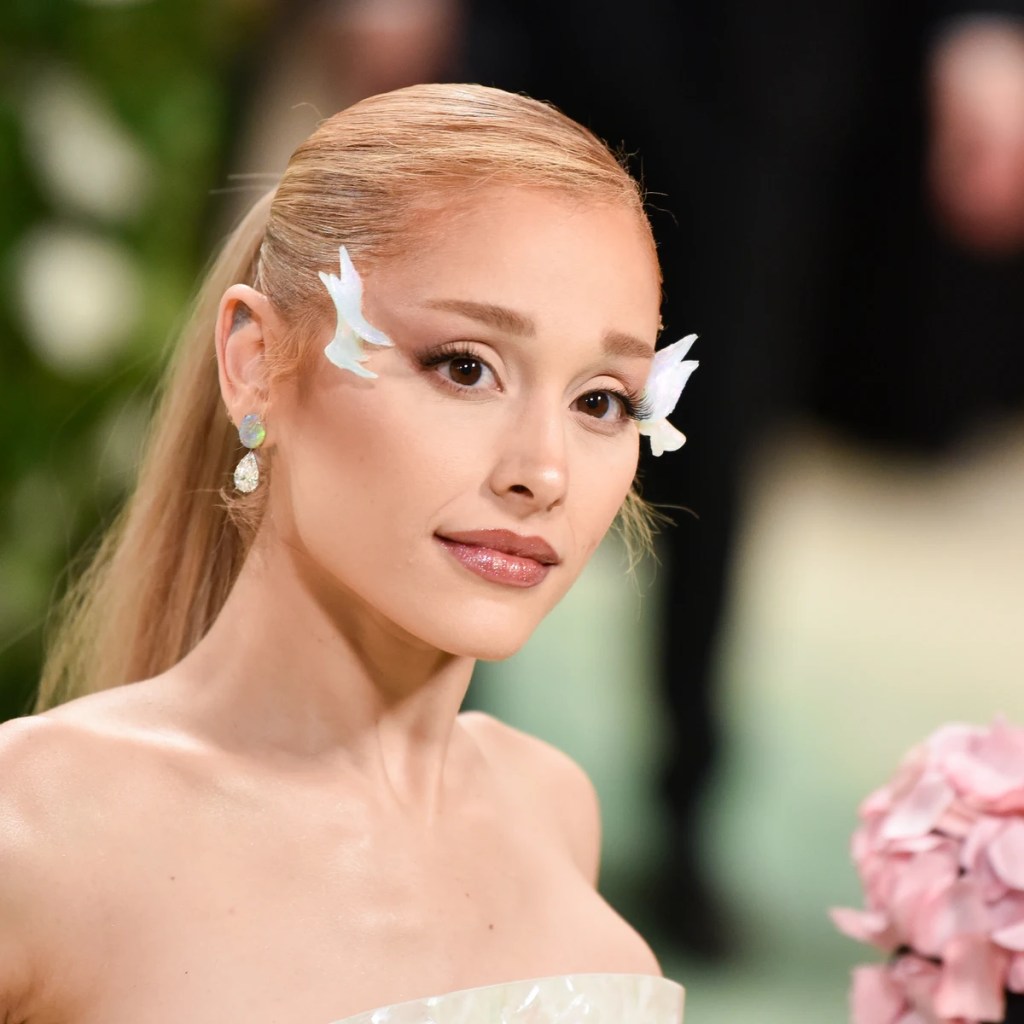
Ariana Grande being the 9th most searched celebrity in 2025 is a perfect example of putting out media content at just the right time.
Throughout the year, the famed singer juggled big movie roles whilst staying true to her roots as a pop star.
Unlike Diddy, her search volume was driven by planned promotional cycles, which are a blessing for SEO content creation.
The first major spike in her search volume came from music, despite her focus on acting.
The release of the deluxe edition of her Eternal Sunshine album, titled Brighter Days Ahead, on March 28, 2025, ensured her music career remained relevant.
This generated huge, short-term traffic for lyrics, reviews, and track details.
Keywords like “Eternal Sunshine Deluxe tracklist” and “Twilight Zone Ariana Grande lyrics” were highly searched.
This event kept her name buzzing in the music charts and conversation, bridging the gap between her studio album and her major film release.
The biggest and most sustained source of her 2025 search volume was her role as Glinda in the highly anticipated second part of the Wicked film adaptation.
The marketing hype for Wicked: For Good really kicked off in the second half of the year and hit its peak just before the big release on November 21, 2025.
This included major global premieres in cities like Singapore, press tours, and trailer drops.
This drove informational searches for “Wicked: For Good movie,” “Ariana Grande Glinda,” and specific event searches like “Ariana Grande Wicked premiere outfit.”
Lastly, her frequent public appearances, especially on that yellow brick carpet, really racked up loads of high-value, visual search traffic that was just right for affiliate-driven fashion posts.
Even recently there was an instance where an Australian social media troll, Johnson Wen, rushed and grabbed her on the red carpet at the Singapore premiere of Wicked: For Good.
Luckily, Grande’s co-star Cynthia Erivo and security personnel were there to quickly intervene and to pull the crazed fan away.
All this goes to show how, an evergreen topic, (movie) can turn into a solid, multi-month content that has kept her search ranking bouncing around in the top ten.
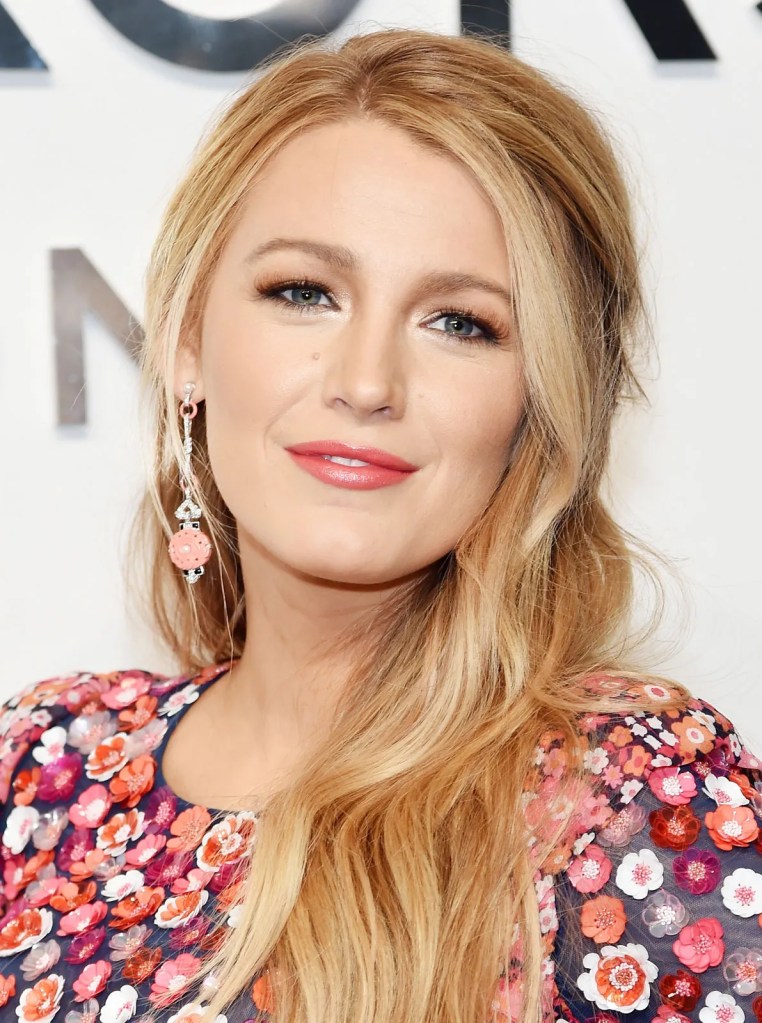
8. Blake Lively
Blake Lively’s ranking as the 8th most searched celebrity in 2025 is a testament to the power of a perfectly diversified personal brand strategy.
She generated search volume not from a single major event, but from a combination of film, business, legal news, and high-stakes fashion moments.
The single greatest driver of her informational search volume was the ongoing and ultimately resolved legal controversy surrounding her 2024 film It Ends with Us, involving co-star Justin Baldoni.
When a celebrity is involved in a public legal battle, users search for facts, timelines, and court updates.
Search volume for this topic was high and persistent through the first half of 2025.
Keywords like “Blake Lively Justin Baldoni lawsuit dismissal” or “Ryan Reynolds protects Blake Lively” generated intense, high-intent traffic for news outlets.
The eventual dismissal of the defamation case in the latter half of the year created a final, massive spike in celebration and resolution news.
Lively anchored her traditional celebrity traffic with the release of a major film sequel that leveraged existing fan nostalgia.
The release of Another Simple Favor in the spring of 2025 (premiering in March and released in May) brought her back to the promotional red carpet circuit.
Fans generated searches for the trailer, reviews, and, most importantly, her character’s iconic style with keywords like “Another Simple Favor plot summary” and “Blake Lively Another Simple Favor outfits” driving impressions.
Usually, sequels benefit from built-in search volume from the original film, guaranteeing a high baseline of interest.
Beyond her film endeavors, Lively consistently maintained search relevance through her entrepreneurial ventures and her unmatched style.
Even when she skipped the 2025 Met Gala, the subsequent articles titled “Why Blake Lively Missed the 2025 Met Gala” still pulled massive traffic.
This ultimately proves that her iconic fashion history makes her a constant subject of interest.
7. Lionel Messi
Lionel Messi’s search ranking in 2025 was a global phenomenon fueled by his exceptional performance in the U.S.
His traffic was mostly thanks to his fantastic skills on the pitch and how he played for the Argentine national team during the World Cup.
Messi’s second season with Inter Miami CF took him past all the hype and into certified GOAT status, thus making sure sports fans all over the world search for him every single day!
The cherry on top was him winning the 2025 MLS Golden Boot with 29 goals and snagging the MLS MVP award.
Those two major achievements blew up his searches, with keywords like “Messi Golden Boot 2025” and “Inter Miami playoff schedule” peaking in demand.
His presence in the MLS alone continued to draw a huge new audience to the league itself. This created unique regional and localized keywords, like “Inter Miami tickets price” and “how to stream MLS games,” often leading to affiliate and e-commerce opportunities.
Even when he wasn’t on the field, all those endless comparisons with Cristiano Ronaldo (mainly thanks to streamers like IShowSpeed) kept the buzz alive and brought in lots of traffic for “Messi vs Ronaldo 2025 stats, “Messi records” and “all-time goal scorers”.
GOAT debate aside, there is no doubt that Messi’s remarkable athleticism helped to boost his online presence with timeless content about his legacy.
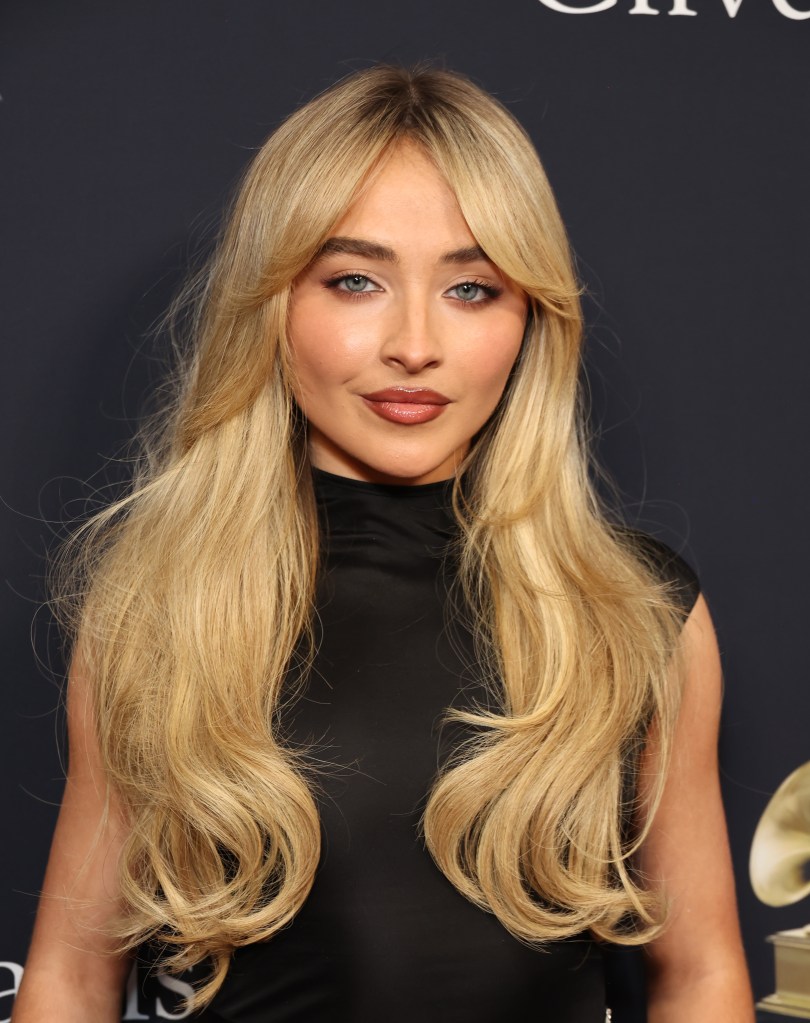
6. Sabrina Carpenter
Sabrina Carpenter’s high ranking this year is a masterclass on how how a fairly known music performer maximized a breakout opportunity.
2025 was the year Carpenter transitioned from a successful pop artist to a certified global chart-topper.
She crashed onto the scene with nonstop touring, hit songs, and a knack for keeping the online chatter about her relationships super interesting.
The release of her album Man’s Best Friend in August 2025 and the massive critical/commercial success of its singles drove record search volume.
Her album secured the biggest opening week of the year for an international artist in the U.K.
She had appearances at the 2025 GRAMMYs and headlined sets at major festivals like Primavera Sound and BST Hyde Park, which created multiple short-term, high-traffic events.
Keywords like “Sabrina Carpenter Manchild lyrics” and “Short n’ Sweet Tour setlist” were being used heavily to boost search.
Moreover, her continuous (though unconfirmed) association with an A-list celebrity, often through subtle references in her lyrics and music videos, kept her name in the gossip cycles.
This fueled high-intent searches seeking confirmation or analysis, like “Sabrina Carpenter new song about Barry Keoghan?“
During this period, searchers turned to Google to deconstruct her lyrical clues and alleged hidden meanings in her songs.
There were even detailed articles dedicated to breaking down the lyrics and perceived relationship in the gossip information space.
All that surely helped to capture the high intent informational queries that propelled her to our number 6 spot of the most searched celebrities of 2025.
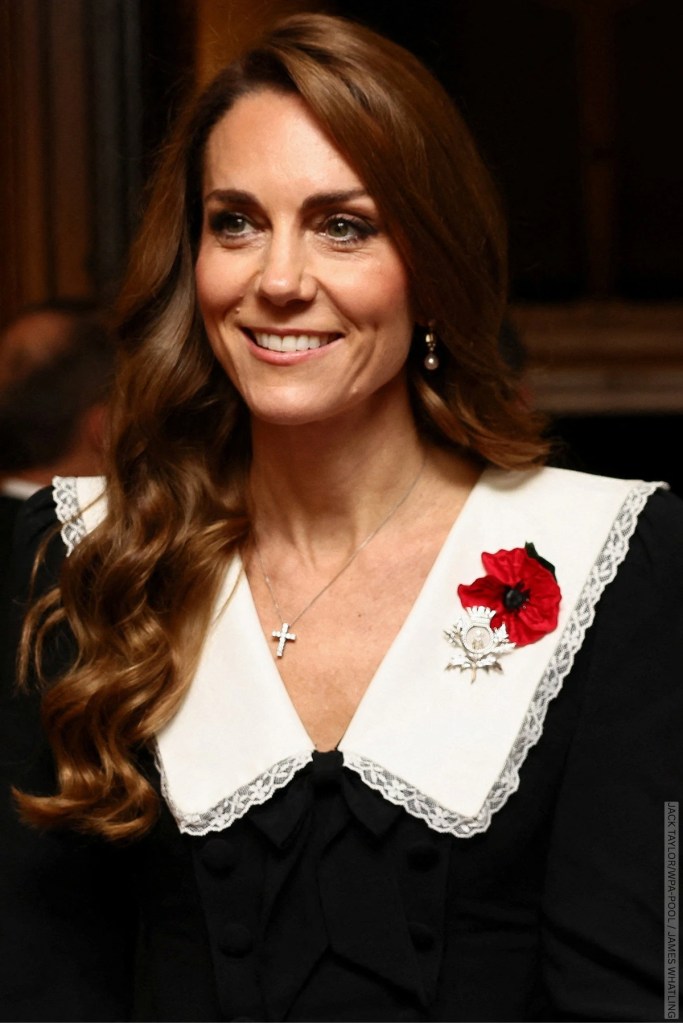
5. Kate Middleton
Kate Middleton, the Princess of Wales, kept her spot as a top search in 2025 for a totally different reason than celebs like actors or musicians.
Her search volume was driven by a powerful blend of human interest, health updates, and her return to public life.
Kate’s health journey, which began with her cancer diagnosis in 2024, continued to be the single most powerful driver of sustained search volume in 2025.
When she announced she was in remission back in January 2025 and opened up about the ups and downs after treatment, it got people really talking.
Everyone started looking up news sites about how she was doing and what her future might look like.
The buzz was all about her settling into a “forever home” (Forest Lodge) in Windsor, which essentially meant that the family was focused on finding some stability.
This drove searches for “Kate Middleton health update November 2025” and “Kate Middleton in remission.”
This type of content really hits home for readers and gives them the information they crave.
Every planned public appearance in 2025 was treated as a major global event, leading to guaranteed, time-sensitive search spikes.
Events like the annual Remembrance Day service in November and her Christmas carol concert in December instantly generated massive traffic. And then, the surprise appearance of her children, particularly Prince George, at some of these events added another layer of search interest.
These events call for fast, real-time publishing to capture the short-term trending keywords like “Kate Middleton Remembrance Day outfit 2025” or “Prince George Armistice Day appearance.”
The year also saw the birth of the “Kate Effect”—where any item she wears immediately sells out—ensuring constant, lucrative search traffic.
Her re-wearing and upcycling of designer outfits (like her Catherine Walker coat for the Remembrance service) drove interest in sustainable fashion trends.
Her adoption of trends like “butter yellow” in the summer and “plaid tweed” in the autumn generated high-intent purchase searches.
This is prime territory for affiliate marketing. Target keywords with purchase intent: “Kate Middleton butter yellow dress dupe” or “Shop similar to Kate Middleton plaid suit.”
The case of Kate Middleton highlights the importance for bloggers to aim for keywords that cover the full story and give a solid breakdown of public figures.
4. Liam Payne
Liam Payne being at the top of search results in 2025 is pretty unique and definitely an interesting case for an SEO deep dive.
After his tragic death in October 2024, there was a lot of emotional chaos, and people held some memorial events to remember him.
The biggest reason people were searching was the strong emotional bond his fans and the media felt about losing the former One Direction star.
The one-year anniversary of his passing in October 2025 generated a massive spike of commemorative articles, tributes from former bandmates, and reflection on his life and legacy.
Keywords like “Liam Payne death anniversary” and “One Direction members tribute to Liam” were highly searched.
The ongoing news about his estate, and the legal discussions around the potential release of his two unreleased solo albums, kept his name in the music headlines through the summer.
At that time, keywords such as “Liam Payne unreleased music” and “Liam Payne second album release date” targeted music fans with high informational intent.
Payne’s passing really sparked a whole new wave of interest in the entire One Direction story, making everyone’s name pop up in the chat.
The news of Zayn Malik’s return to the One Direction business entity in late 2025, and reports of the remaining members reuniting privately, pushed search queries like “One Direction reunion 2025” to viral heights.
This indirectly tied Payne’s name consistently to one of the biggest pop groups in history.
Then there was the heartfelt moment when the four surviving members came together at his funeral in late 2024. That, along with the touching tributes from his ex, Kate Cassidy, really kept the buzz going all through 2025!
On top of that, the news of a handwritten 2017 letter from Taylor Swift to Liam Payne going up for auction for a significant sum created a major viral news story in November 2025.
This event totally mixed the high search buzz around two worldwide icons.
Search terms like “Taylor Swift letter to Liam Payne auction” and “What did Taylor Swift write to Liam Payne?” snagged traffic from both fan bases.
3. Cristiano Ronaldo
Cristiano Ronaldo shows us that age doesn’t really matter when your brand is built on crushing it on the field, having a huge fan base, and keeping rivalries alive.
In 2025, he totally had a steady stream of search volume, thanks to his one-of-a-kind status as an athlete who’s also a big-time media brand.
Even at 40, his on-pitch achievements for Al Nassr and the Portuguese national team ensured constant relevance and high-value sporting searches.
His continued elite performance (scoring six goals in seven games in late 2025) drove searches for “Cristiano Ronaldo 2025 stats” and “Al Nassr league table.”
His excitement about getting Portugal to the 2026 World Cup totally caught everyone’s attention. People were online, searching for queries like “Ronaldo Portugal World Cup qualifiers“.
Also, the constant comparison to Lionel Messi doesn’t hurt either….
It provides a reliable, evergreen traffic source of searches like “Ronaldo vs Messi 2025 stats” as fans are eager to find out who’s the better player.
But don’t get it twisted, Ronaldo’s brand influence far transcends football scores. He isn’t named the most most marketable footballer in the world for 2025 for nothing.
He steadily shows his commercial dominance by driving business-focused searches like “Ronaldo net worth 2025” and “Ronaldo endorsement deals.”
Not to mention, the fact that he had recently reached billionaire status and scoring the title of “first billionaire footballer in history”!
All this contributed to him earning the 3rd spot on our list for the most searched celebrities in 2025.
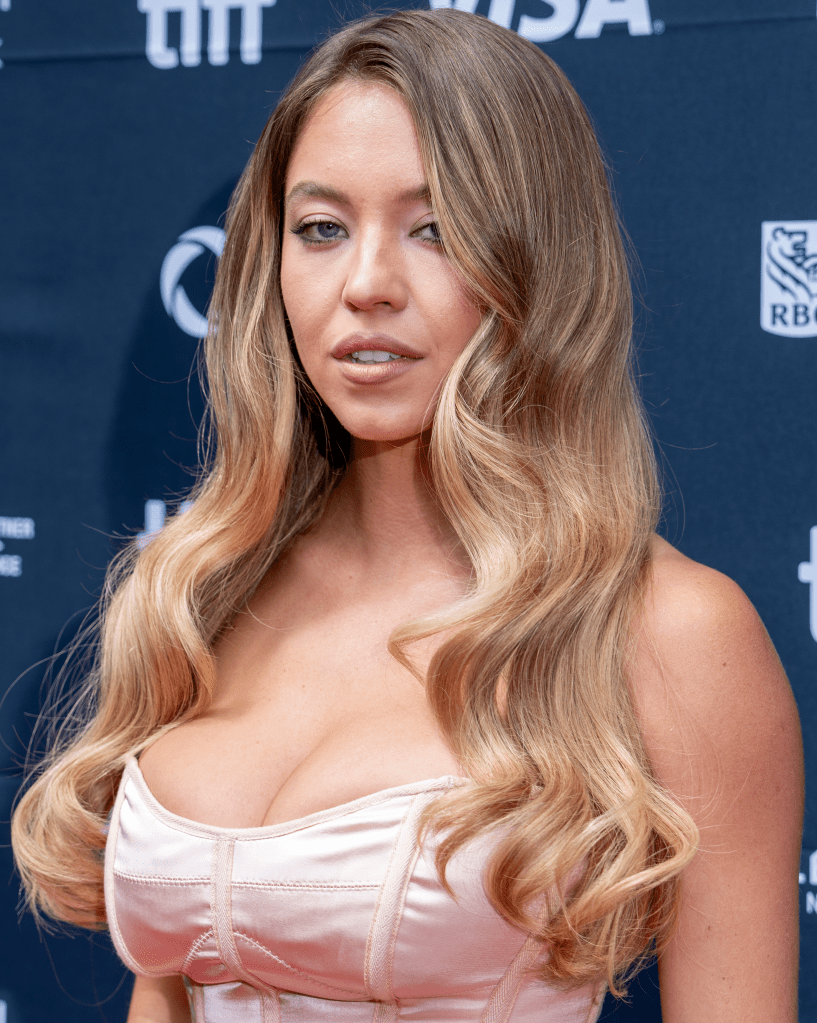
2. Sydney Sweeney
Sydney Sweeney snags the spot as the most searched actor on this list.
Her position here proves that being viral, cranking out films, and having a smart personal brand really pay off in search traffic.
Sweeney was everywhere in 2025, ensuring multiple points of search entry for casual and dedicated fans.
The main reason she blew up in popularity is thanks to a wild advertising campaign that sparked a whole lot of debate in the U.S. culture wars.
In July 2025, Sweeney featured in an American Eagle ad campaign that had the slogan “Sydney Sweeney Has Great Jeans.”
The ad featured a pun on the words “jeans” and “genes” and showed the blonde-haired, blue-eyed actress saying, “Genes are passed down from parents to offspring… My jeans are blue”
Although the campaign was met with polarizing sentiments, it generated massive attention and an estimated 40 billion impressions!
I guess all publicity is good publicity…
U.S. site visits to American Eagle’s website shot up, as a result of the ad., with year-over-year growth hitting over 60% just days after the ad campaign kicked off.
An online debate sparked as a result, with searches for the word “eugenic“, being used by curious fans to get a scoop of the gist.
Then there was a smaller spike in search interest around early August, when people found out Sweeney was a registered Republican and that Trump endorsed the ad.
Apart from the drama, a significant portion of her high ranking is tied directly to her strong visual brand and her presence at high-profile events.
For example, her striking looks at events like the Met Gala 2025 and the Vanity Fair Oscar Party generated immediate, high-volume searches.
Overnight, she became a recurring trending topic on social platforms, often relating to “debates over beauty standards” and her general visibility.
As the most searched actor, her content benefits heavily from Image Search.
So SEO success for her requires hyper-descriptive, accurate alt text on every photo to capture the purchase intent.
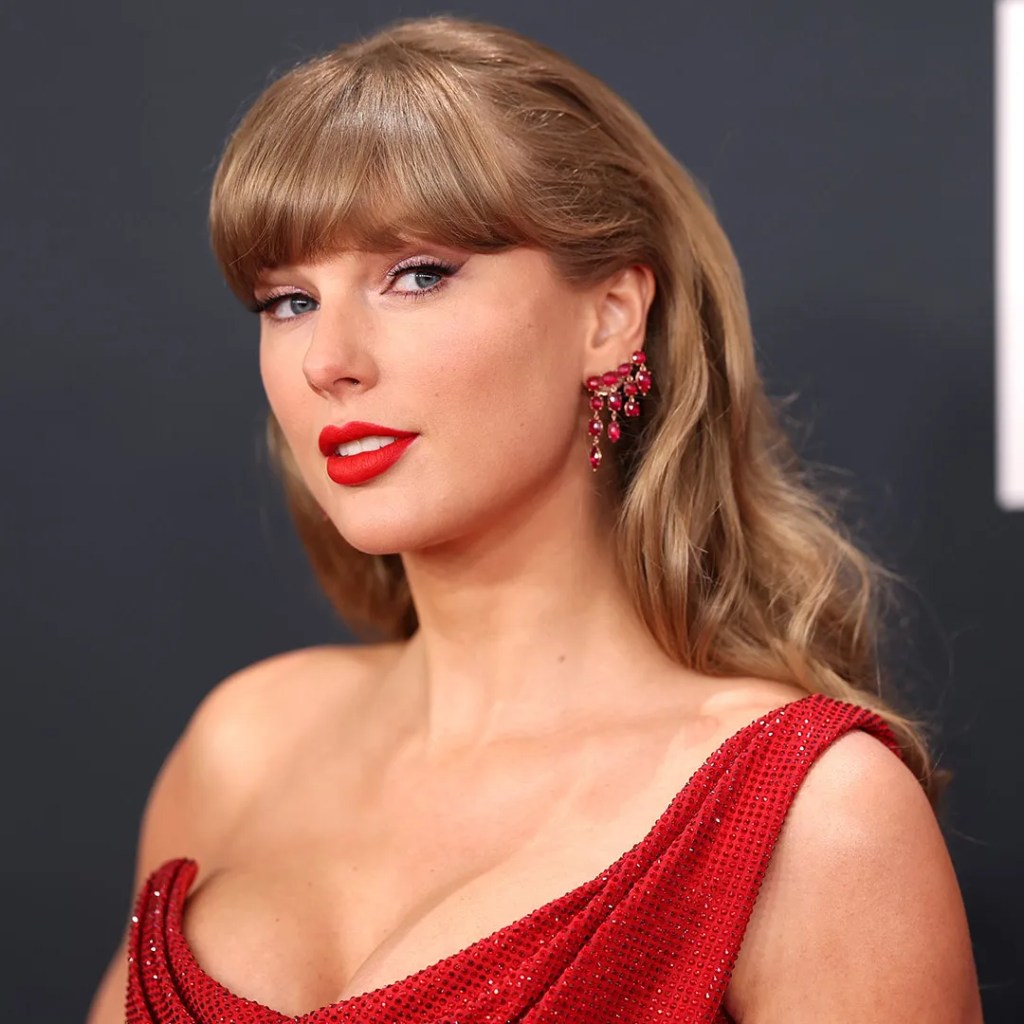
1. Taylor Swift
Taylor Swift completely dominated the search charts in 2025, and it’s no surprise!
She’s did it with her unique mix of captivating content and deep connection with her fans.
Swift generated search volume simultaneously across four major spheres: Music, Touring, Personal Engagement, and catalog.
The release of a new album (e.g., The Life of a Showgirl in late 2025) smashed modern records. This generated high-volume, repetitive searches for lyrics, meaning, theories, and vinyl variants.
The final, record-breaking legs of the Eras Tour kept keywords like “Eras Tour ticket prices” and “Eras Tour surprise songs” consistently trending and highly competitive.
Her high-profile engagement (reported in late 2025) drove a massive spike in high-intent purchase searches.
Again, keywords like “Taylor Swift engagement ring cost” and “promise rings vs engagement rings trends 2025” (the “Swift Effect”) shifted consumer search behavior.
Even her older, re-recorded music continued to generate searches, proving the stability of her evergreen catalog content.
Her way of dropping hints and sneaky clues makes fans keep coming back for more, eagerly searching for the next bit of content. This keeps them hanging around longer and visiting again and again.
Lastly, she knows how to use content to make money in so many ways—like selling vinyl, going on tour and raking in ticket sales, plus earning from her catalog through streaming and licensing.
It’s quite impressive how her popularity online leads straight to cash in her pocket!
Who do you think I missed on my list of the most searched celebrities in 2025? Let me know in the comments below!
Google just dropped an update in their docs on how content creators can keep their content from showing up in AI overviews.
This move comes at a time when content creators are continuously finding new ways to navigate the evolving space of AI-powered search results and control its impact on website traffic.
The updated guidance basically breaks down the troubleshooting steps for those that have implemented anti-AI preview controls but are still seeing their content show up in AI the overview section.
It’s a move that shows Google is stepping up their game to help creators handle the nuances of AI integration in search.
The search giant is making it easier for everyone to understand what they need to do to control how their content appears on their tool.
Key takeaways from the updated documentation include:
Preview Controls Verification: Google really wants you to make sure that your preview controls (like meta name="robots" content="nosnippet" or data-nosnippet) are set up right and that Googlebot can see them. So make good use of the URL Inspection tool in Google Search Console; it’s super helpful for confirming everything’s working as it should!
Recrawling Reminder: Just a heads up, if you change things in your preview controls, it might take a while to see those updates — anywhere from a few days to a couple of months, depending on when Google decides to recrawl. The good news is, if you ask for a recrawl in Search Console, it might speed things up a bit!
Community Support: If you’re running into some tough issues with your website, Google suggests checking out the Google Search Central Help Community. It’s a great place to team up with other webmasters, content writers, publishers etc. and figure things out together!
This update highlights the constant interaction happening between Google and webmasters about using web content for those AI-generated summaries.
How to Turn Off Google AI for Searches?
As you might already know, it’s impossible to completely get rid of Google’s AI Overviews.
But you can definitely make them appear less often or switch back to the old-school search view, where you only see links.
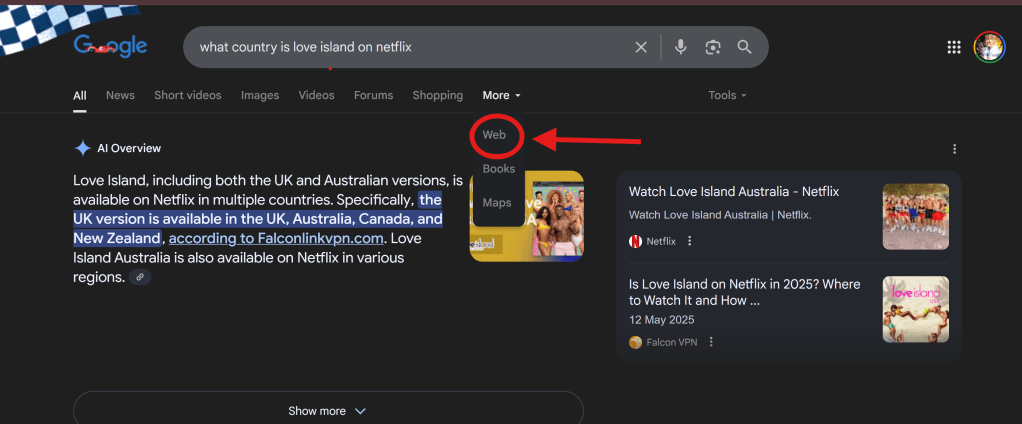
The easiest way to get around AI overviews is by hitting the “Web” tab in Google Search results—this lets you see regular links without the AI BS.
Here’s how:
When you do a Google search, the results page shows a bunch of tabs like “All,” “Images,” “News,” and more.
Locate the “Web” tab (you may need to scroll horizontally to find it).
Clicking the “Web” tab will display the traditional search results, effectively bypassing the AI Overview.
Screenshot of Google search results showing the option to switch to the ‘Web’ tab, bypassing AI Overviews for a traditional search experience.
If you want, you can also switch up your browser to something like Firefox or Safari, since they don’t show AI Overviews (yet).
If you get really creative with your search terms or make them super specific, it might help you steer clear of those AI overviews.
There are tons of browser extensions out there that can help you block or hide those AI Overviews. Some of the best ones to choose include:
“Hide Google AI Overviews”
“Disable AI Overview”
“Bye Bye, Google AI”
Whichever one you choose, just make sure you do your homework and only pick ones from trusted sources to steer clear of any security headaches.
How To Block Google From Using Your Content To Train AI
Google says its AI Overviews and AI Mode are meant to deliver quick, helpful answers and point people to various relevant sources, but it seems like that sentiment isn’t shared by everyone.
Some creators are really stressing about all the fake info spewed by AI overviews, and don’t want their pages referenced on them, because it could damage their credibility.
For this reason, many add “NoAI” tags to the header of their pages or in the meta data, telling Google not to use their work to train AI models.
Just a heads up…if you block Google-Extended (that’s a crawler for some of Google’s AI products like Gemini), it’ll keep those bots from using your content to train their AI, but it won’t affect how your site shows up in regular Google Search or AI Overviews.
So if you really want to keep your content out of AI Overviews, you’ve got to block Googlebot from crawling those pages.
But!
That would also make your pages disappear from regular search results…
As you can see: finding that sweet spot between being seen and having complete control over your content can be tricky.
That’s why it’s super important for creators to find tools that can help them make smarter decisions about their web presence, as Google keeps updating its docs and changing the way search is done.
I’d advise you subscribe to my newsletter to keep up with the latest best practices for handling content in this ever-changing search world.
That way, you will be the first to know about any new information regarding Google, as they will be sent directly to your inbox regularly.